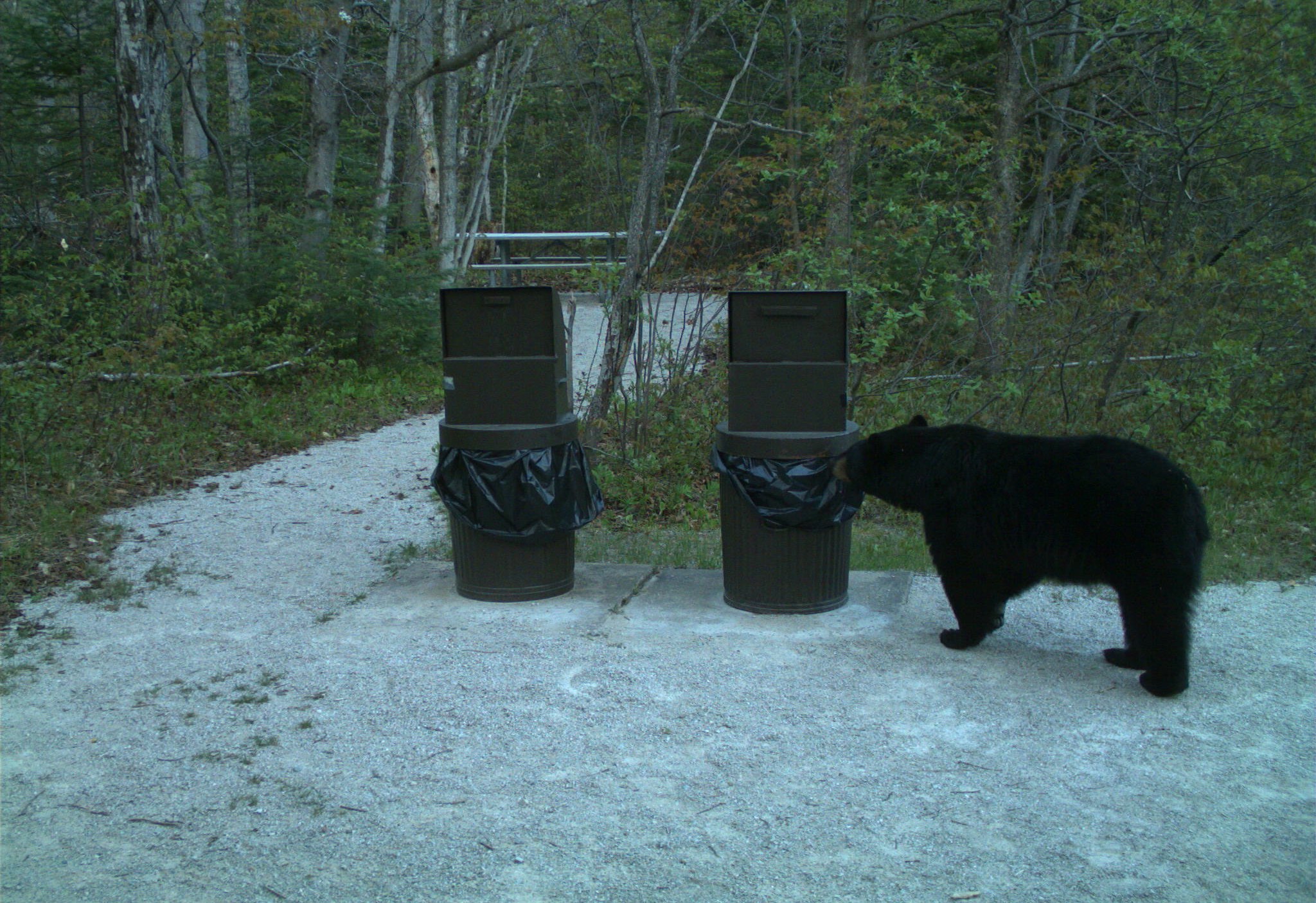
Montana wildlife officials euthanized 14 black bears found at a single residence north of Bozeman, the state agency announced Tuesday, Sept. 29. The feeding of those bears is alleged, and the investigation is ongoing.
Why the number is 14, not 15
Montana Fish, Wildlife & Parks (FWP) says game wardens and wildlife staff responded to a report of alleged supplemental feeding of wild black bears. On Sept. 24 and 25, investigators found bears on the property that were “extremely food conditioned and habituated to human presence.” FWP says “14 bears were captured and humanely euthanized.”
One more animal, a cub, was taken to FWP’s Montana WILD facility in Helena for possible placement at an accredited zoo. Together that is 15 animals, the number some headlines used for bears removed from the property. FWP’s own count is 14 euthanized and one cub, whose future Montana Public Radio describes as uncertain.
How unusual that is
“Fourteen bears being removed from one property, one residential property, is not normal,” FWP spokesperson Morgan Jacobsen told Montana Public Radio. “And it’s extremely unfortunate.”
For scale, Montana Public Radio reported that nine bears have been euthanized in Carbon County, in south-central Montana, seven of them in the Red Lodge area. “This year has really been kind of off the charts in terms of conflicts,” FWP spokesperson Chrissy Webb told the station. Carbon County is outside FWP’s Region 3, the southwest Montana region headquartered in Bozeman. So the comparison is only one of size: 14 bears at one property against the nine euthanized in all of Carbon County.
What the law says
FWP points to Montana Code Annotated 87-6-216, which prohibits providing supplemental feed to game animals, including bears. The statute covers three kinds of conduct: purposely or knowingly attracting bears, among other animals, with supplemental feed; negligently failing to store such feed properly “after having received a previous warning” and letting bears reach it; and purposely or knowingly providing feed in a way that artificially concentrates game animals and may spread disease or threaten public safety.
On conviction, the penalty is a fine of not less than $50 or more than $1,000, up to six months in the county detention center, or both. A person convicted, or who forfeits bond or bail, may also be subject to forfeiture of current hunting, fishing and trapping licenses and of the privilege to hunt, fish or trap in Montana or use state lands for recreation, for a period the court sets.
That is the range for a conviction, not a finding about anyone here. “An investigation into why the bears were on this property is ongoing,” said game warden Capt. Josh Leonard.
Why FWP says the bears could not be moved
FWP’s release says bears that get used to food in residential areas “lose the desire and ability to forage in natural, healthy ways. This behavior cannot be corrected through rehabilitation or relocation, and it creates human safety risks from bears that continue seeking food near or inside homes.”
“Once a bear gets habituated to finding food in residential or urban areas, that’s a behavior that can’t be rehabilitated,” Jacobsen told KPAX. “And it can’t be fixed by relocating the bear either because they just come right back to places where they found food around people.”
Zoo placement, FWP says, “is a very limited option that’s not always possible.” The agency calls euthanasia “an unfortunate action of last resort.”
What FWP asks residents to do
Do not feed bears. Keep garbage, bird feeders, pet food and other attractants secured at all times.
If a bear tries to reach garbage or other attractants near homes, vehicles or businesses, contact FWP as soon as possible. “Reporting these cases early may allow some corrective management actions to happen before the behavior becomes habitual,” the release says.
Colorado is seeing its own fall bear trouble; our earlier post covers the state’s record 10 bear attacks this year.