Maggie Haberman, the veteran New York Times White House correspondent and CNN political analyst, told CNN’s “The Source” on Thursday, August 20, 2026, that the Secret Service had been alarmed by some of the letters a Trump aide wrote to the president. “The Secret Service had gotten alarmed by some of them,” Haberman said.
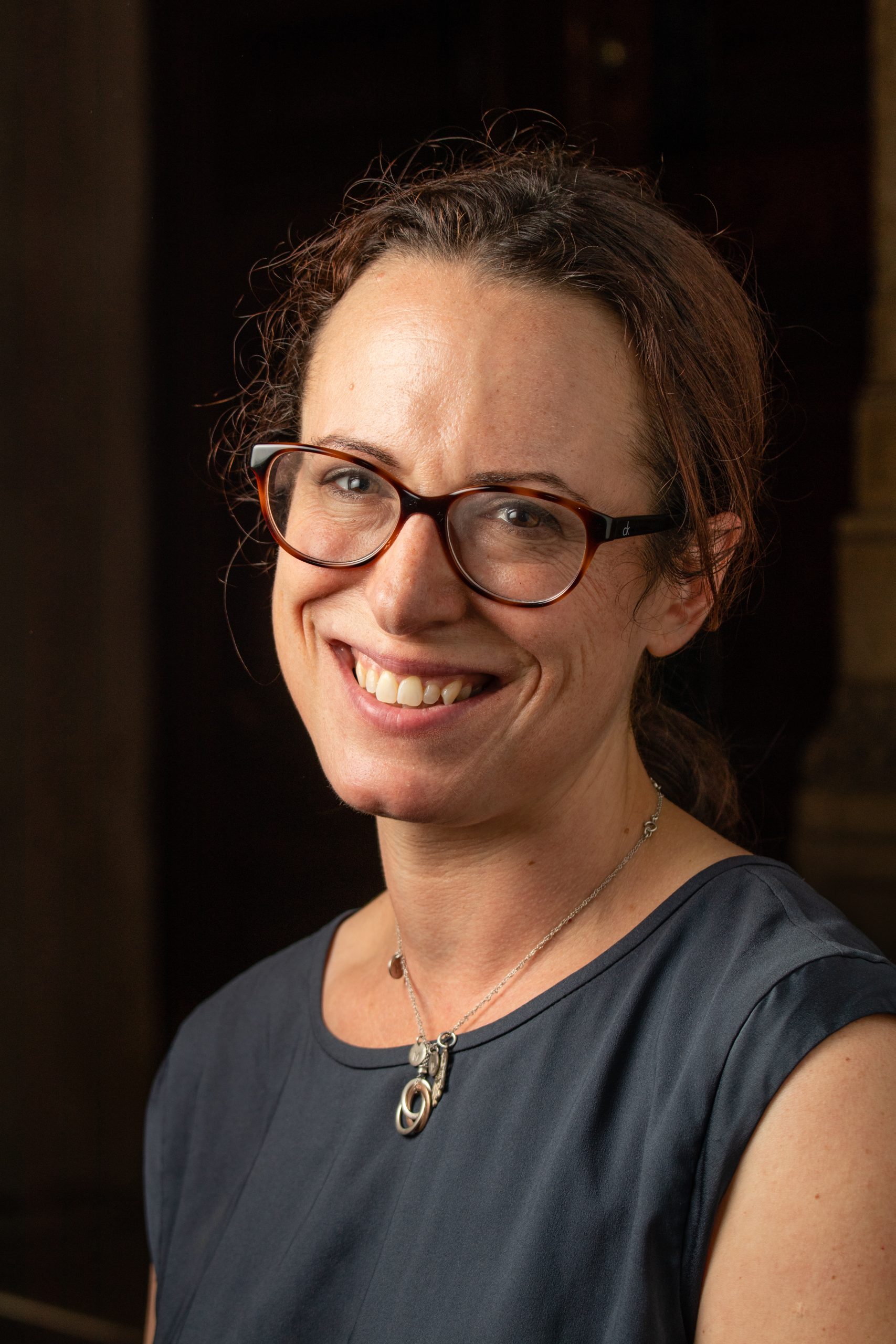
The appearance came during a stretch of interviews tied to Haberman’s new book, “Regime Change: Inside the Imperial Presidency of Donald Trump,” co-written with fellow journalist Jonathan Swan. Published by Simon & Schuster in June 2026, it became a No. 1 New York Times bestseller and draws on roughly 1,000 interviews the two conducted over about two years. Haberman has also made a cluster of recent appearances on CNN, MS NOW and Democracy Now while discussing the book and Trump aide Natalie Harp.
The aide is Natalie Harp, 35, now a special assistant to President Trump and a former OANN host. The letters, written in 2023, were published in full by The Daily Beast around August 20-21, 2026. The outlet said it obtained them from author Michael Wolff, who received them while researching a book on Trump’s 2024 campaign. One letter reportedly told Trump, “You are all that matters to me.” Another paraphrased a line from Jane Austen’s “Pride and Prejudice,” with Harp writing “it is I who is unworthy.” She also called Trump her “Guardian and Protector.” Haberman did not specify what about the letters alarmed the Secret Service, and the record contains no further explanation. No independent forensic or official authentication of the letters has been reported, and the White House has not denied that they are genuine.
Key facts
- Who: Maggie Haberman, New York Times correspondent and CNN political analyst, speaking on CNN’s “The Source,” August 20, 2026
- What: Haberman said the Secret Service was “alarmed” by some letters written to Trump by aide Natalie Harp
- The aide: Natalie Harp, 35, special assistant to President Trump, former OANN host
- The letters: written in 2023; published in full by The Daily Beast around August 20-21, 2026, sourced from author Michael Wolff
- Harp’s pay: about $150,000 a year, per Haberman’s own reporting (not an official disclosure)
- The book: “Regime Change: Inside the Imperial Presidency of Donald Trump,” by Haberman and Jonathan Swan, Simon & Schuster, June 2026 — a No. 1 New York Times bestseller drawn from roughly 1,000 interviews
- White House response: spokesman Davis Ingle called the coverage “Fake News” and defended Harp; did not address the letters’ authenticity
Who Natalie Harp is
Harp draws a salary Haberman has reported at about $150,000 a year as a special assistant to the president — a figure from Haberman’s own reporting, not an official government disclosure — and sits near him in the Oval Office. In her own reporting for the Times and in “Regime Change,” Haberman describes Harp as wielding outsized informal influence in the West Wing — nicknamed the “human printer” inside the building — and as someone who has, at times, lacked a full security clearance. Haberman has also described her as a conduit for foreign leaders trying to reach Trump and as a channel through which Trump reaches people he likes on television. Around August 16, Haberman described Harp more bluntly on MS NOW’s “Connect”: “His binky, for lack of a better way of putting it. Comfort blanket.” She repeated a version of that description on Democracy Now on August 18: “I described her as something like a human binky.”
Renewed scrutiny
Harp’s role drew fresh scrutiny after Georgia Democratic Senate candidate Jon Ossoff referenced her around August 17-18, contrasting military sailors’ sacrifices with Trump “traveling with Natalie on their apparently defenseless flying palace gifted by the emir of Qatar.” That remark renewed public attention on Harp. Separately, and around the same time, the Daily Beast published the letters obtained from Wolff — the two developments happened concurrently, and nothing in the record ties one to the other.
White House response
White House spokesman Davis Ingle responded to the letters’ publication by defending Harp as “one of the most loyal and hardest-working aides” on the team and describing the coverage as “Fake News.” He did not address whether the letters were authentic. Harp has not been reported as commenting publicly.
What Haberman did and didn’t say about Melania Trump
Asked on CNN by Kasie Hunt whether the attention on Harp could be upsetting First Lady Melania Trump, Haberman was careful to separate speculation from reporting. “I don’t know that she’s upset or not upset,” she said, adding that “it’s possible always that the coverage and all of this focus could upset people.” She was explicit that she had no direct reporting on Melania Trump’s actual state of mind — only that it’s a plausible reaction to intense press coverage, not a confirmed fact. No public statement from Melania Trump or her office was found.
The book, and Trump’s response
Trump has publicly dismissed “Regime Change,” calling it “mostly made up, Fake News” and labeling Haberman a “third rate writer.” The book covers, among other episodes, the administration’s internal handling of the Epstein files and Trump’s decision to strike Iran, which Haberman said on Democracy Now came after the president “basically ignored many of his own advisers and just went ahead” once Israeli Prime Minister Benjamin Netanyahu suggested regime change there would be easily accomplished. In the same round of interviews, Haberman said Trump’s attacks on female reporters have “gotten much nastier and much more aggressive” in his second term than in his first, citing being called a “hag” and “the least attractive” by the president — comments she said she brushes off as insignificant.
Haberman’s book and background
Haberman, who joined the Times in 2015, shared in the paper’s 2018 Pulitzer Prize for National Reporting for its coverage of the Trump campaign’s Russia ties and previously wrote the 2022 bestseller “Confidence Man: The Making of Donald Trump and the Breaking of America.” There is no indication she is leaving the Times or CNN; the current wave of attention appears tied to her reporting and commentary on Harp, her book promotion and her discussion of Trump’s treatment of female reporters, rather than to a confirmed new event in her own career.