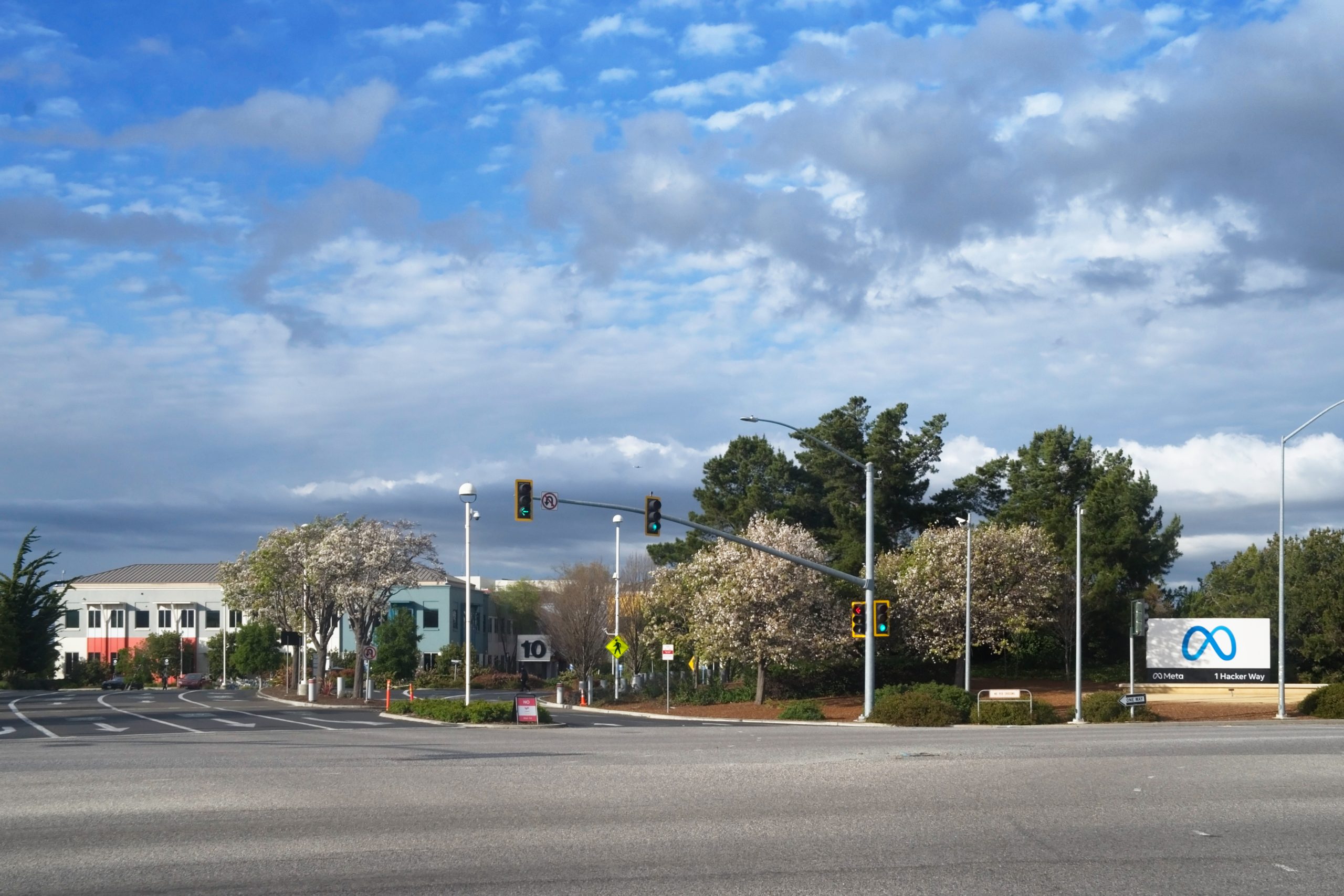
Meta has agreed to settle a multistate lawsuit over Facebook and Instagram. The states accused the company of designing the apps to be addictive to children and teens. A court filing disclosed the deal Wednesday. The proposed settlement would send billions of dollars to states over the next decade and force changes to how minors use Meta’s apps — but it still needs a federal judge’s approval before it is final.
Key facts
- Settlement amount: most commonly cited as $16.68 billion to $17.0 billion; other reports and press releases have cited figures as high as $17.1 billion or $18 billion.
- Payout schedule: paid to participating states in installments over about 10 years, not in one lump sum.
- California’s share: an estimated $1.5 billion to $2.1 billion, if the settlement is approved.
- States involved: originally about two dozen in 2023; by settlement, a coalition described as 48 to 52 attorneys general, including Washington, D.C., and several U.S. territories.
- Not included: Texas, whose attorney general reached his own separate settlement with Meta the same day; some reports may combine that deal with the multistate figure to reach the higher end of the range.
- Still pending: approval from Judge Yvonne Gonzalez Rogers in the U.S. District Court for the Northern District of California.
What changes for teen users
Beyond the money, Meta agreed to a set of changes for users under 18 on Facebook and Instagram, expected to roll out within months:
- Daily time limit: a default of around two hours, which California’s attorney general’s office said could shrink to one hour if rival platforms adopt similar limits.
- Break prompts: periodic reminders urging a break after a stretch of continuous use.
- Nighttime block: no access roughly from midnight to 6 a.m.
- Notifications: blocked during school hours.
- Like counts: hidden on posts from minors.
- Filters: a ban on cosmetic and beauty filters for under-18 accounts.
- Feed option: a version of the feed that isn’t personalized by algorithm.
- Age verification: made stronger.
- Parental controls: expanded.
- Auditor: an independent auditor with broad access to monitor Meta’s compliance.
The settlement also bars Meta from making further misleading statements about its safety features.
How much Meta will pay
Meta will pay in a range most commonly cited as $16.68 billion to $17.0 billion — most financial outlets report up to $16.68 billion, while California Attorney General Rob Bonta’s own office describes the deal as up to $17.0 billion, and other reports and press releases have cited figures as high as $17.1 billion or $18 billion. It is one settlement, reported several different ways, not several competing deals; part of the spread comes from how the deal is structured, with a guaranteed base amount tied to the states’ claims plus a possible bonus if other major platforms adopt comparable teen-safety features. All of it is paid out to participating states in installments over about 10 years rather than in one lump sum. California’s attorney general said the state alone could receive between $1.5 billion and $2.1 billion if the settlement is approved.
Who sued Meta and why
The lawsuit was originally filed in 2023 by a coalition of roughly two dozen states led by California, Colorado, New Jersey and Kentucky. It alleged that Meta deliberately built features into Instagram and Facebook — things like infinite scroll, notifications and algorithm-driven feeds — to keep children and teens compulsively engaged, that it unlawfully collected personal data from users under 13 in violation of federal child-privacy law, and that the company made false or misleading public statements about how safe its platforms were for young users. By the time of the settlement, reports describe a much larger, bipartisan coalition of attorneys general behind the deal. Outlets differ on the precise count — figures range from the mid-40s to the low 50s, with California’s release citing 51 attorneys general representing states, Washington, D.C., and several U.S. territories. Texas was not part of that coalition: its attorney general reached his own separate settlement with Meta over child-safety claims on the same day, negotiated apart from the group of states behind Wednesday’s deal.
Timeline
- 2023: A coalition of roughly two dozen states, led by California, Colorado, New Jersey and Kentucky, filed the lawsuit against Meta.
- August 18, 2026: The federal trial opened in the U.S. District Court for the Northern District of California, before Judge Yvonne Gonzalez Rogers.
- Wednesday, trial’s second week: Meta and the states reached a proposed settlement; a court filing disclosed the deal, and the trial was suspended while the judge reviews it.
The trial and what happens next
The underlying federal trial, part of a larger multidistrict case in the U.S. District Court for the Northern District of California in Oakland, had opened August 18, 2026, before Judge Yvonne Gonzalez Rogers. The settlement was reached in the trial’s second week, and the trial itself has been suspended while the judge reviews the deal. Meta denied any wrongdoing in agreeing to settle.
None of this is final yet. It is a proposed settlement submitted in a court filing, and it still requires sign-off from Judge Gonzalez Rogers before it takes legal effect.
Why Meta’s stock rose
Meta’s stock rose in early trading Wednesday after the settlement was announced, with gains reported as high as the mid-single digits in percentage terms before narrowing as the trading day went on. Market commentary attributed the rise to relief that a capped, negotiated settlement removes the uncertainty of an open-ended jury trial. Some reports pointed to a worst-case liability estimate that Meta’s own legal team had reportedly put at as high as $1.4 trillion if the case had gone to a full verdict — a number that came from Meta itself rather than an independently confirmed estimate — as part of why investors saw a fixed price tag as the better outcome.
Other platforms face similar lawsuits
Meta is not the only platform facing this kind of legal pressure, though this particular settlement is Meta’s alone. The state attorneys general’s case against Meta was one piece of a much larger multidistrict litigation covering thousands of separate lawsuits against several social media companies over alleged harm to young users — TikTok, YouTube and Snapchat’s parent company are defendants in their own cases within that same litigation, not in the case Meta just settled. TikTok has settled every case brought against it so far in 2026 and avoided going to trial. YouTube and Snap, meanwhile, were reported earlier this year to still be facing separate personal-injury trials over similar claims — and, per that same earlier reporting, so was Meta. It isn’t yet clear whether Wednesday’s settlement changes that timeline for Meta’s own remaining exposure in those personal-injury cases.