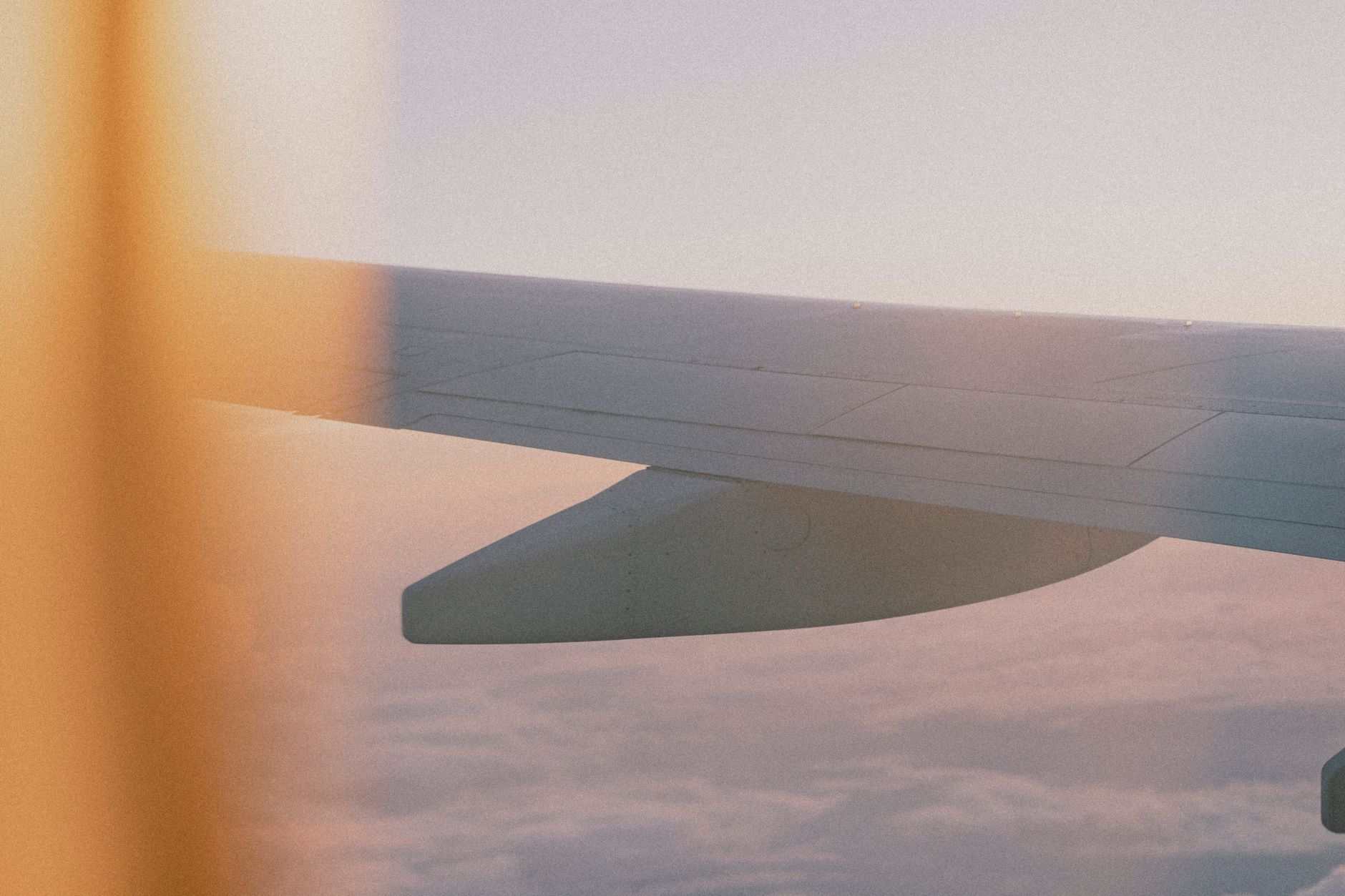
A Lufthansa flight diverted to Glasgow Airport on September 10, 2026, after a passenger had a medical emergency in the air. The flight, from Frankfurt to Washington Dulles, was carrying 136 people, Lufthansa said; the Airbus A340-600, registration D-AIHX, landed safely.
Key facts
- Flight: Lufthansa LH418, Frankfurt to Washington Dulles
- Diverted to: Glasgow Airport, Scotland
- Date: September 10, 2026
- Aircraft: Airbus A340-600 (registration D-AIHX)
- On board: 136 people, Lufthansa said
- Reason: medical emergency involving a passenger
- Outcome: landed safely on runway 23; passenger handed to local medical services
The aircraft had departed Frankfurt around 1:10 to 1:30 p.m. local time. About two hours into the flight, as it passed the Isle of Lewis — part of Scotland’s Outer Hebrides, off the country’s northwest coast — the crew declared an emergency. They squawked transponder code 7700, aviation’s universal signal that a flight needs priority handling. Flight-tracking data showed the plane circling, including passes over Mull, another Hebridean island off Scotland’s west coast, before it touched down on runway 23 at Glasgow Airport and parked at a remote stand.
A Lufthansa spokesperson said the unscheduled landing was “due to a medical emergency involving a guest” — passenger, in the airline’s own choice of words — and that the emergency code was declared “to enable a priority landing and ensure the guest received prompt medical care.” After landing, the passenger was handed over to local medical services in Glasgow. No source has confirmed the passenger’s subsequent condition or the outcome of the medical care. No airline or other source has disclosed the passenger’s identity, age or the nature of their illness.
No separate statement from Glasgow Airport was found in the available reporting. The available statement about the medical emergency came from Lufthansa, while flight-tracking data showed the aircraft’s path and landing.
What squawk 7700 actually means
Squawk 7700 isn’t specific to medical trouble — pilots use it for any in-flight emergency, including mechanical problems, pressurization issues or smoke, as well as a sick passenger. Once it’s transmitted, air traffic controllers give the aircraft priority over other traffic, clear the runway it’s heading for, and — in a medical case — have emergency responders waiting on the ground. A large majority of squawk-7700 events observed on public flight trackers turn out to be precautionary rather than signs of a genuine catastrophe, according to aviation sources. In this case, the flight landed safely and the passenger was handed to local medical services.
What happens next is unclear
Lufthansa’s initial plan, as relayed by the airline, was to refuel in Glasgow and continue on to Washington Dulles once the passenger had been handed off. What happened after that is disputed between outlets: one flight-tracking blog reported the aircraft instead turned back toward Frankfurt, scheduled to arrive there around 8 p.m. local time, while another aviation-tracking site reported the aircraft instead remained parked at a remote stand in Glasgow, with no confirmed onward departure. Plainly Now could not find a source that settles which of those two accounts is accurate, and as of September 11, 2026, no source confirms whether the flight or its passengers ultimately reached Washington Dulles that day, or how.
This is a separate incident from two other recent Lufthansa medical diversions:
- A different aircraft, flight LH430, diverted to Glasgow on August 20, 2026, also after a passenger medical emergency.
- An earlier flight also numbered LH418 diverted to Cologne Bonn Airport on June 26 — a different flight that happened to carry the same flight number.
Neither of those events involves the September 10 Glasgow landing described here.