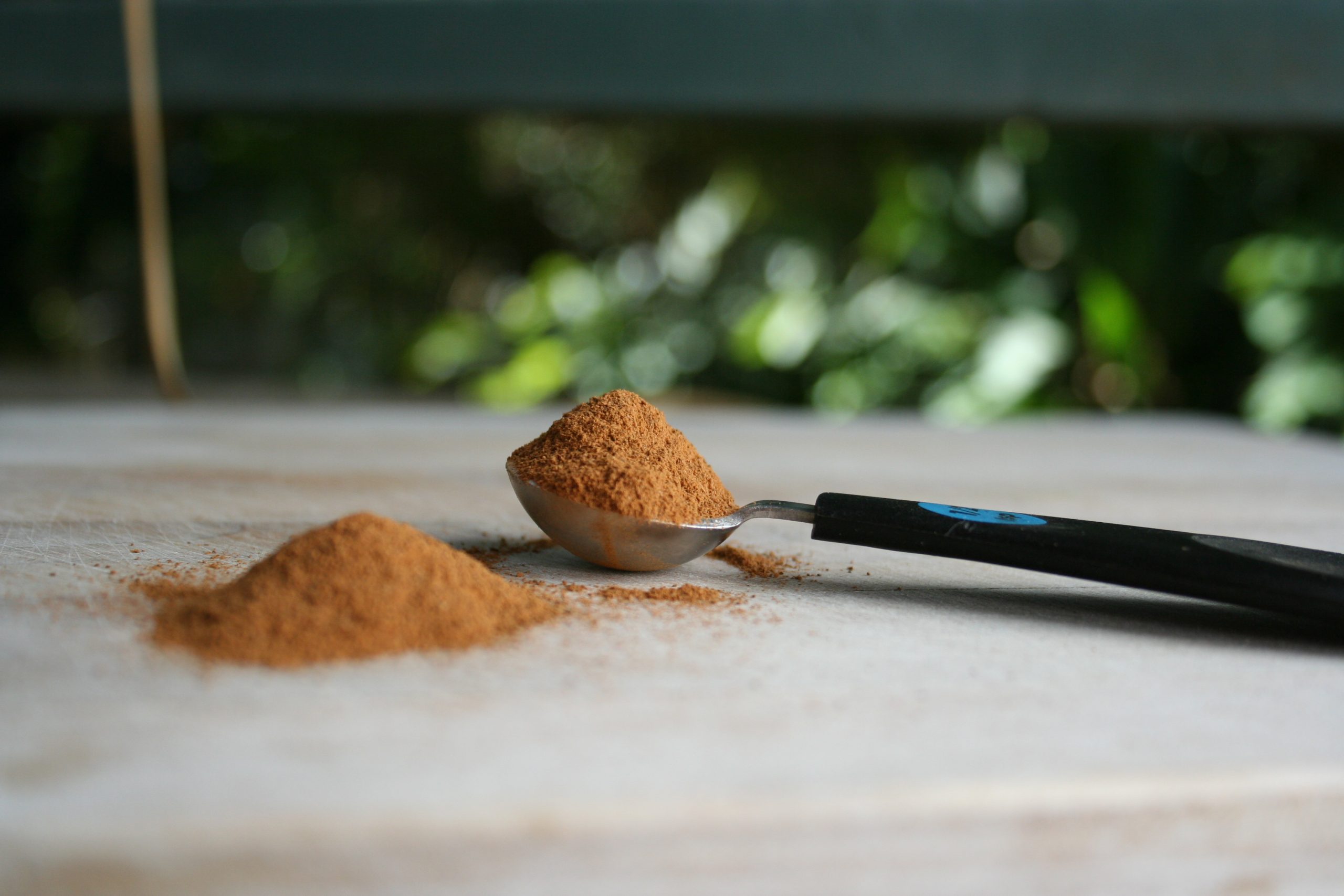
Galil Importing Corp of Hauppauge, New York, is recalling Lior Cinnamon Ground Seasoning because the product “has the potential to be contaminated with elevated levels of lead,” according to the recall notice posted on the FDA’s website September 24. The recall covers the product packaged in 90-gram clear plastic containers, distributed to retail stores, grocery stores, delis and supermarkets in six states between November 2025 and September 2026. No illnesses have been reported to date.
How to tell if you have it
Check the side of the container for lot code GAP11304; the UPC is 794711005484. The affected cinnamon was distributed to stores in New York, New Jersey, Pennsylvania, Texas, Florida and Illinois between November 18, 2025, and September 7, 2026.
What to do
The company’s guidance is straightforward: do not eat the product. Either throw it away or take it back to the store where you bought it for a refund. Questions go to Galil Importing Corp at 1-516-496-7400, Monday through Friday, 9 a.m. to 5 p.m. Eastern.
The recall notice’s own consumer-health language is measured rather than alarming: “Short term exposures to very low levels of lead may not elicit any symptoms.” As the notice puts it, “If a child is exposed to enough lead for a protracted period of time (e.g., weeks to months) permanent damage to the central nervous system may occur.”
How it was found
The contamination was flagged by a sample collected and analyzed by the Maryland Department of Health, according to the FDA-posted notice. The notice does not report a lead measurement for the Lior product itself, and no other state health department is named in it.
Lead in cinnamon is a recurring problem
This is not the first time. The FDA has warned about lead in ground cinnamon since March 2024, and in a third public health alert in July 2024 it recommended recalls of 11 brands with lead levels from 2.03 to 7.68 parts per million; the agency has kept adding products to that alert since.
That range is well below what triggered the 2023 WanaBana apple puree and applesauce recall, whose cinnamon had 2,270 to 5,110 ppm of lead — hundreds to thousands of times higher than the levels behind the 11-brand alert. In a March 2024 Q&A on the issue, the FDA said “the FDA does not need action levels or guidance to take action when the level of a contaminant, such as lead, is unsafe.”
Who is at higher risk
Children under 6 face higher risk from lead exposure because their developing bodies are more susceptible and they often put hands and objects in their mouths, according to the CDC, and lead can also pass from a pregnant person to the fetus. A blood lead test is the way to find out about exposure; CDC advises anyone pregnant who thinks they were exposed to talk to a health care provider.
The CDC uses a blood lead reference value of 3.5 micrograms per deciliter to identify children with blood lead levels higher than most other children. The notice says short-term exposure to very low levels of lead may not cause symptoms and that the effects depend on the amount and duration of exposure; a blood lead test is the way to find out whether someone was exposed.
Sources and further reading
- Risk Factors for Lead Exposure
- Galil Importing Corp Recalls Lior Cinnamon Ground Seasoning Due to Elevated Lead Levels
- More Ground Cinnamon Products Added to FDA Public Health Alert Due to Presence of Elevated Levels of Lead
- A Conversation with FDA on Steps the Agency is Taking to Address Unsafe Levels of Lead Found in Cinnamon