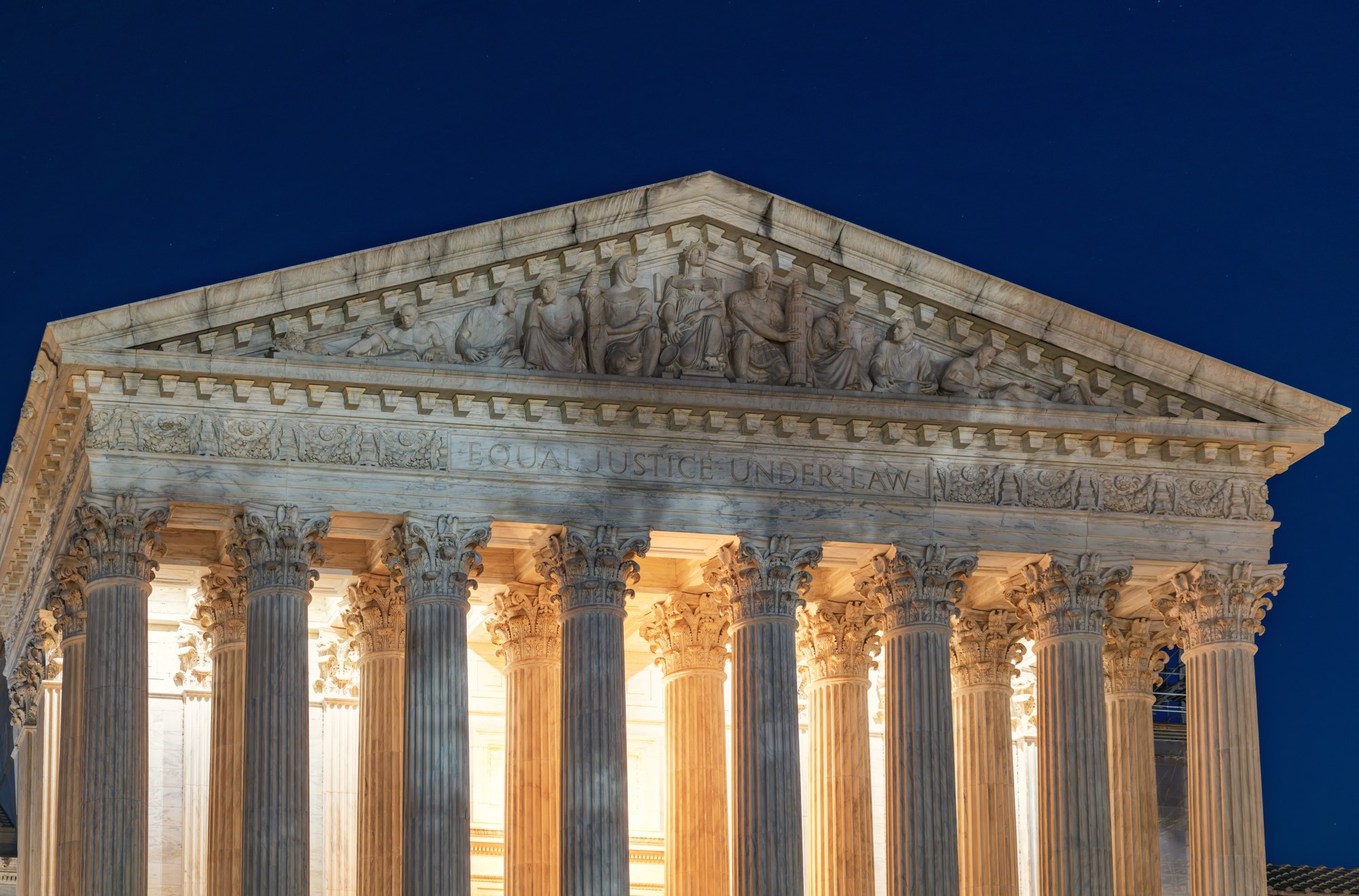
Louisiana, Arkansas and Alabama asked the U.S. Supreme Court on Wednesday, Sept. 30, to declare the abortion “shield laws” of New York, Massachusetts and California unlawful. The same day, the three states filed a second, separate case: a civil suit in federal court in Louisiana.
What a shield law does
Shield laws, passed in states where abortion is legal, limit how those states and their officials cooperate with investigations, lawsuits and prosecutions from states that ban it. New York officials describe them as protecting doctors who provide legal health care; the filing describes them as protecting a doctor who prescribes and ships abortion drugs into a state with a ban. According to the filing, the laws leave a prescriber’s name off drug labels, bar extradition, limit cooperation with out-of-state investigations and restrict enforcement of out-of-state judgments and subpoenas.
Case one: the Supreme Court filing
The states filed a motion asking permission to file a complaint directly with the Court, plus the complaint and a brief. It asks the justices to declare that the shield laws violate four things: the requirement that states respect one another’s court judgments (the Full Faith and Credit Clause); the principle that states stand on equal footing (the equal-sovereignty doctrine); the federal common-law rule against public nuisances; and the constitutional limit on state laws that burden commerce between states (the Dormant Commerce Clause). It also asks the Court to enjoin officials in the three states from enforcing the laws.
The filing states its own limits. It says it “does not address” people from other states who travel to New York, Massachusetts or California for an abortion, and it leaves the laws’ coverage of gender-affirming care outside the suit. It cites a Society of Family Planning report for its figures: about 1,000 abortions a month in Louisiana, 300 in Arkansas and 700 in Alabama despite their bans. Those numbers are the states’ allegations.
Case two: the civil suit
Louisiana v. Nouhavandi, No. 2:26-cv-03836, was filed in the Western District of Louisiana. The complaint’s caption names 30 defendants; Arkansas Attorney General Tim Griffin’s office put the number at 29. The complaint raises federal common-law public nuisance claims and each state’s consumer-protection law, and asks a judge to declare a public nuisance, bar the conduct in the three states, and award damages and civil penalties.
How the Court has handled similar requests
Only the Supreme Court case needs the justices’ permission to go forward. In a dispute between states, the Court must first agree to take the case, and it can refuse without a hearing.
A Plainly Now review of all 10 original actions the Court has docketed since December 2020 found seven brought by one state against another that the Court has ruled on. It denied five:
- Texas v. Pennsylvania: Dec. 11, 2020, for lack of standing.
- Missouri v. New York: Aug. 5, 2024.
- Alabama v. California: March 10, 2025.
- Florida v. California and Washington: May 26, 2026.
- Florida v. California and the Franchise Tax Board: June 1, 2026.
It agreed to hear two: New York v. New Jersey in 2022 and Nebraska v. Colorado in June 2026. Justices Clarence Thomas and Samuel Alito dissented from the last three denials.
New York’s response and what comes next
Gov. Kathy Hochul said, “No one should have to fear being punished for seeking or providing reproductive care.” Attorney General Letitia James said the states want the Court “to let them impose their abortion bans on New York and punish our doctors for providing legal health care.” Louisiana Attorney General Liz Murrill said, “Louisiana chooses life. We will not allow activist states, activist providers, or distributors profiting from killing babies to threaten Louisiana’s sovereignty, violate Louisiana law, or endanger Louisiana women and babies.”
New York, Massachusetts and California can file responses to the motion before the justices decide whether to take the case. In recent cases, response deadlines have ranged from a few days to about three months, including extensions.
Sources and further reading
- Attorney General Griffin Joins Louisiana and Alabama in Suing 29 Defendants for Shipping Abortion Pills across State Lines
- Docket No. 22O161, Nebraska v. Colorado
- Docket No. 22O158, Alabama v. California
- Louisiana, Arkansas and Alabama v. New York, Massachusetts and California: Motion for Leave to File Bill of Complaint, Bill of Complaint, Brief in Support
- Louisiana v. Nouhavandi, No. 2:26-cv-03836 (W.D. La.), Complaint