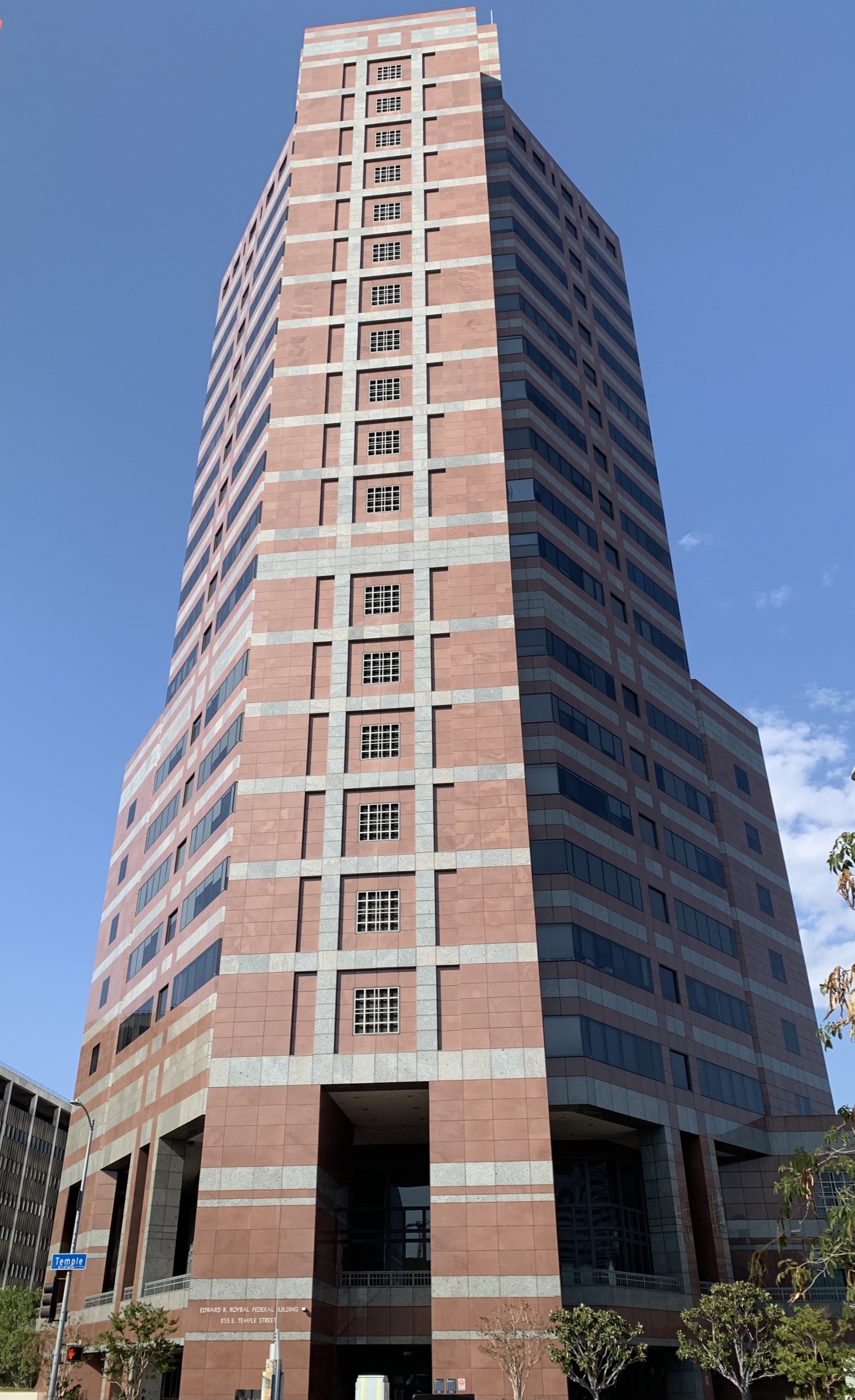
The Justice Department sued California on Thursday, Oct. 15, in federal court in Los Angeles. It asks a judge to order the state to set aside mail ballots from more than 20,000 people the federal government says are likely noncitizens, and not to tabulate them until their citizenship is verified. California officials dispute the basis for the list, and Los Angeles County refused to open it.
The account of the lawsuit below comes from the complaint, its exhibits and the Justice Department’s news release. They are allegations, not findings, and no court has ruled on them. The reactions and background come from news reports, named where used.
What was filed
The case is United States v. State of California, Shirley N. Weber and Dean C. Logan, No. 2:26-cv-12025, in the U.S. District Court for the Central District of California. Weber is California’s secretary of state. Logan is the Los Angeles County registrar-recorder and county clerk. Both are sued in their official capacities. Some news reports name only the state as the defendant, but the complaint’s caption lists all three.
The complaint is 15 pages and makes one claim. It argues that California’s practice of sending ballots to, and counting ballots from, people the federal government identifies as likely noncitizens is preempted by federal law under the Supremacy Clause. The federal law at issue is 18 U.S.C. 611(a), which bars noncitizens from voting in federal elections. The complaint says the claim is “as applied,” meaning it targets only the people on the federal list. It is labeled an action seeking statewide relief.
What the Justice Department is asking for
The complaint asks the court to order California to set aside mail ballots from people the federal government identifies as likely noncitizens, and to verify their citizenship, on its own or together with the federal government, before tabulating those ballots. The formal prayer for relief lists a declaration that California’s actions violate the Supremacy Clause, a preliminary and permanent injunction against tabulating those ballots until citizenship is verified, costs and fees, and “any other relief” the court considers just and proper.
The complaint does not ask the court to remove anyone from the voter rolls. The Justice Department’s Oct. 13 letter framed its own request as to “segregate” the ballots, “not cancel” them, until citizenship can be determined.
What the 20,000 figure rests on
According to the complaint, U.S. Citizenship and Immigration Services sent Homeland Security Investigations a list of more than 20,000 people it believes are registered to vote in California and are likely noncitizens. The complaint says Homeland Security Investigations then did its own review and “reasonably believes” that around 20,000 noncitizens are registered to vote in the state. So “more than 20,000” describes the list, while “around 20,000” is the agency’s own estimate of noncitizens registered.
The complaint describes the process only in outline: a review by the immigration agency that sorts matches by confidence level, with only “high confidence” matches passed to Homeland Security Investigations for follow-up. The filing does not say how many names were checked individually, and it includes no sample result showing how many people on the list turned out to be citizens. The Justice Department’s news release says the Homeland Security analysis is “preliminary” and “ongoing” and that investigators “analyzed publicly available voter-registration records.”
Two points matter for reading the number. First, it is a federal belief about “likely noncitizens.” Second, the complaint does not allege that any listed person returned a ballot. The news release, though, says the complaint alleges these individuals “registered to vote and/or voted in a federal election.” The complaint’s own text is narrower. It says in several places that the listed people were sent ballots. Paragraph 46 says they “have been sent” a ballot “(or will receive one),” and softer passages say “it seems” and “if California followed its law.” The filings show no proof that a ballot reached any listed person.
How the dispute unfolded
The complaint and its exhibits give this timeline:
- July 16. A Department of Homeland Security letter to Weber, after what it called a “preliminary review,” said there “may be as many as 190,832 non-citizens registered to vote in California.” As an example, it said, 81,336 registrants had a name, date of birth, address and Social Security number matching a noncitizen in federal files. The letter set a July 30 deadline to respond.
- July 23. Weber replied. She wrote that her office had not shared the statewide voter registration list with the Department of Homeland Security or any federal agency, and that state law bars sharing sensitive voter information, such as Social Security numbers, with the federal government. She asked how the department obtained the voter list, who sent it and when, along with its methodology, data sources, software, matching criteria and whether artificial intelligence was used, by Aug. 3. She also invoked the 90-day quiet period before a federal election, which she said begins Aug. 5, 2026. The Justice Department’s October letter says her response “asked for more information” and did not refute that noncitizens are registered.
- Oct. 1. The complaint says California mailed ballots to all registered voters on this date, citing a Los Angeles County announcement that its mailing began that day. Elsewhere it says “early October.”
- Oct. 13. The Justice Department sent two letters. One went to Weber by email and offered a digital copy of the list if she sent a secure address. The other went by hand to Logan with a password-protected thumb drive holding the list. Both asked officials to review the list within 48 hours. They asked them to segregate, not cancel, the ballots of people whose citizenship could not be confirmed. For listed people not yet sent a ballot, they asked officials to take reasonable steps not to provide one. For returned ballots, they asked officials not to verify the signature or tabulate the ballot until citizenship can be determined. They asked officials to contact the Department of Homeland Security by Oct. 15 at “noon EST,” the letters’ wording, or the department would seek emergency relief.
- Oct. 15. The department filed suit.
The July letter said as many as 190,832 registrants might be noncitizens. The October complaint and letters refer to more than 20,000 people. The documents do not say how the two figures relate or whether they come from the same analysis.
What California officials say
California officials reject the lawsuit’s premise. According to news reports, Weber says the Justice Department has not given the state evidence for the 20,000 figure and never sent her office a list. She says California runs its elections in compliance with federal law and calls the demand an emergency of the department’s own making. The Justice Department’s letter to her, as noted above, offered a digital copy of the list on request.
The Associated Press reported that Logan said the county cannot withhold or refuse to count ballots “based solely on unverified allegations.” The AP noted that Logan has no authority outside Los Angeles County, although the list is statewide. Reports from CBS, the AP and ABC say the county did not consider the thumb drive a secure way to receive voter data and would not review it. The AP, attributing the detail to the secretary of state’s office, reported that the password arrived on a sticky note.
Attorney General Rob Bonta said, as reported by the AP, that state officials will not carry out the department’s requests to withhold ballots. He pointed to the drop in the Department of Homeland Security’s figure from about 190,000 over the summer to about 20,000 now and asked, “What happened to those 170,000?” The filings do not say the two lists are comparable. Al Jazeera reported that Gov. Gavin Newsom called the suit a desperate attempt to suppress California voters three weeks before the election.
The Justice Department’s side is in the complaint. It says “the State made no serious attempt to work with the Federal Government” to determine whether noncitizens are registered to vote. It argues that it is not practicable for the federal government to investigate so many names before the election ends, and that counting the ballots would dilute citizens’ votes. In the department’s news release, Attorney General Todd Blanche said: “State-facilitated voter fraud is unacceptable in the United States of America.” He added that if California is “found responsible in a court of law,” the state “will have seriously undermined confidence in our electoral system.” First Assistant U.S. Attorney Bill Essayli of the Central District of California said in the release that California officials “were given an opportunity to remove noncitizens from their voter rolls and to sequester ballots returned from suspected ineligible voters. They refused.”
The 90-day question
Bonta, as reported by the AP, says the federal action violates a federal law that restricts systematic changes to voter rolls within 90 days of a federal election. Weber’s July 23 letter, attached to the complaint as Exhibit B, says her office will comply with that quiet period, which it puts at Aug. 5, 2026. It cites an appeals court decision, Mi Familia Vota v. Fontes, for the point that comparing voter lists against a database is a systematic program. The letter itself notes that the U.S. Supreme Court agreed on June 29, 2026 to review that case.
Reuters reported that the administration has argued in another case that the 90-day rule does not apply to removing noncitizens. Rick Hasen, an election law professor at UCLA, said the request could conflict with the rule. The complaint, for its part, asks the court to set ballots aside rather than to remove registrations. This article does not take a side on which reading is right. A judge would have to decide.
What outside observers say
David Becker, of the Center for Election Innovation and Research, called the lawsuit “fairly frivolous,” according to the AP. Hasen’s comments focused on the 90-day rule, as above.
The CBS and AP reports also put the case in the context of earlier Justice Department litigation. CBS reported that the department’s Civil Rights Division has filed 31 voter-roll lawsuits and lost 26, without a win. Reuters reported that the department has sued 30 states and the District of Columbia over voter-roll data and lost 26 of those cases without a win. The AP reported that the department has charged about 90 people with election misconduct this year, about 50 of them for alleged noncitizen voting. Those earlier cases involved different claims from this one, which targets ballots rather than rolls.
What is known and what is not
Known from the filings and reports:
- The suit was filed Oct. 15 against the state, Weber and Logan.
- It asks the court to order that ballots from people on the list be set aside and not tabulated until citizenship is verified.
- The 20,000 figure reflects the belief of two federal agencies. It is not a court finding.
- The complaint says California mailed ballots to all registered voters starting Oct. 1.
- Los Angeles County did not open the thumb drive.
- California officials dispute the basis for the list.
Not known:
- The matching criteria and error rates behind the “high confidence” label, or how many of the people listed are citizens.
- Whether any listed person has voted.
- Whether any listed person received a ballot.
- How the July and October figures relate.
- California’s formal answer to the complaint.
What comes next
Election Day is Nov. 3, and voting is already under way. The complaint asks for a preliminary injunction. No ruling or hearing date appears on the docket copy available for this article, which has entries through Oct. 15 and may not be the latest.
The Justice Department also filed a notice that the case is related to Wagner v. Weber, No. 8:26-cv-01263, a suit in the same district. The notice says both cases concern the same statewide mailing of ballots and “likely require overlapping findings.” Bonta has said the state will not carry out the department’s requests to withhold ballots.