.jpg)
A 41-year-old Novi, Michigan, man was bitten while trying to photograph an eastern massasauga rattlesnake at a boat launch in Proud Lake Recreation Area, in Commerce Township, Oakland County, on Tuesday, July 21, 2026. He was hospitalized after the bite. A witness, Richard Curylo, who was identified as the man’s future brother-in-law, told WXYZ the group saw and heard the snake’s rattle before the man moved in for a closer photo and was bitten.
Key facts
- Victim: 41-year-old man from Novi, Michigan
- Location: Boat launch, Proud Lake Recreation Area, Commerce Township
- Date: Tuesday, July 21, 2026
- Snake species: Eastern massasauga rattlesnake — Michigan’s only native venomous snake
- Recovery: Hospitalized; expected to make a full recovery, according to one weather-news outlet’s report
- Legal status: Federally listed as threatened since 2016
- Penalty for harming one: Up to a year in prison and a $50,000 fine
- Dry-bite rate: About one-quarter to one-half of bites inject no venom
- Safe distance: Stay at least 3 feet away
- Report poaching: 800-292-7800
What kind of snake is it
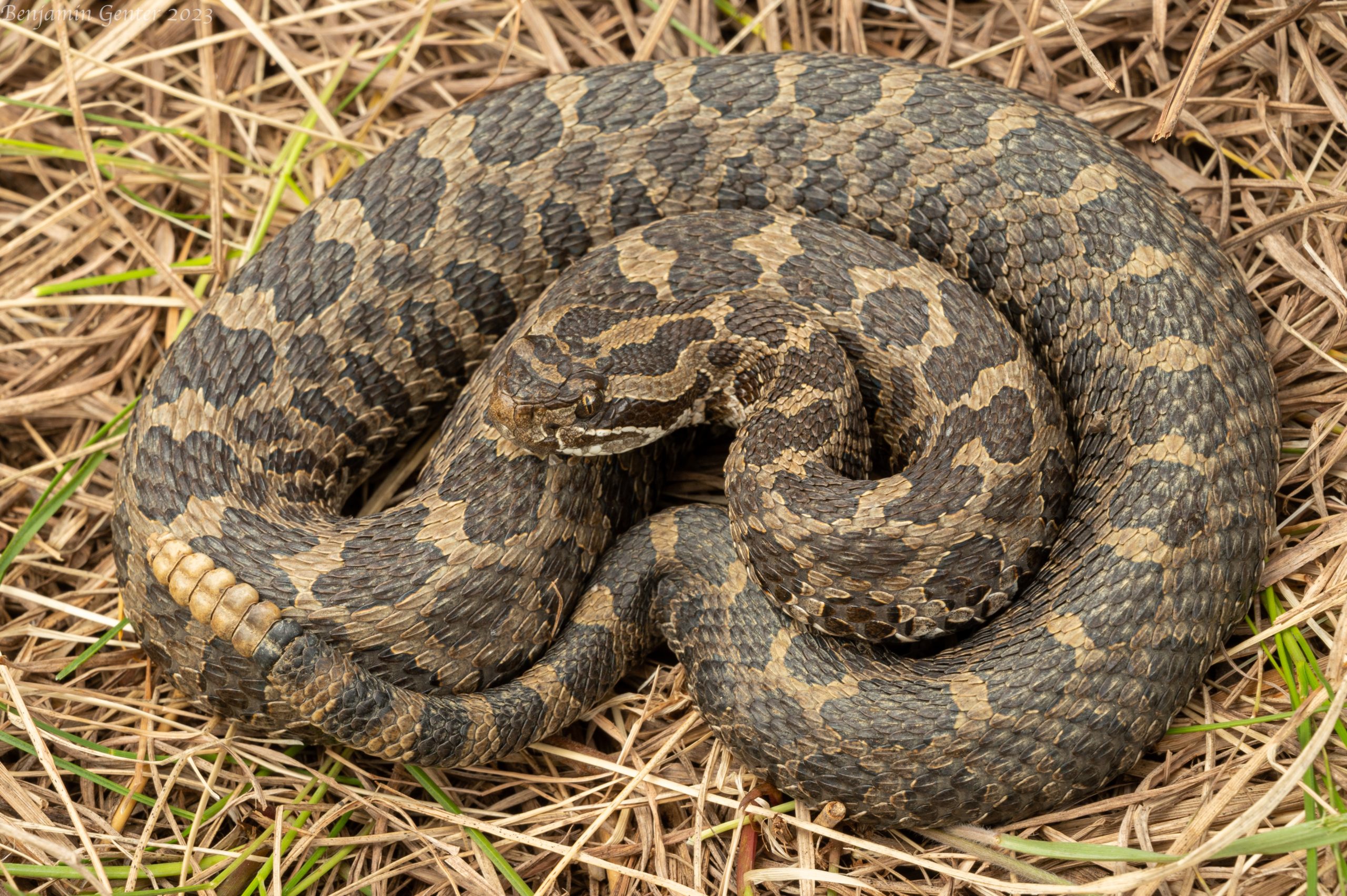
The snake was an eastern massasauga, Michigan’s only native venomous species. It’s small, usually 18 to 30 inches long, tan with brown hourglass-shaped blotches, and found mainly in wetlands across the Lower Peninsula, plus Bois Blanc and Mackinac islands. State wildlife officials say it has caused no confirmed human death in Michigan in more than a century, and that between one-quarter and one-half of its bites are “dry,” meaning no venom is injected at all — though a bite is still serious enough to need hospital treatment.
DNR’s warning
On Aug. 6, 2026, the Michigan Department of Natural Resources issued a statement urging the public not to harm, harass or try to capture the snake, calling that both illegal and a good way to get hurt. “That is not only illegal, but it’s also, unfortunately, a really great way to get bitten,” DNR endangered species biologist Amy Bleisch said, referring to people who had told the agency they’d kill a massasauga on sight.
Why the snake is protected
The eastern massasauga has been listed as threatened under the federal Endangered Species Act since 2016, following population declines tied to habitat loss. The listing makes it a crime to pursue, harass, wound, kill or capture one, punishable by up to a year in prison and a $50,000 fine. Anyone who sees it happening can report it to the state’s Report All Poaching hotline at 800-292-7800. No charges have been reported over the July bite.
Renewed attention brings new warnings
After the bite made news, some people began searching for the snake, and officials reported damage to wetland habitat from people leaving established trails. A Sept. 11, 2026 follow-up report from Great Lakes Echo, republished by the Alpena News, said state park officials have seen people leaving marked trails in wetland areas to search for a massasauga themselves, trampling the same habitat the snake depends on. The follow-up revisited the July bite; it did not report a separate September bite. Bleisch added that the species is worth protecting for a practical reason, too: it helps keep rodent populations down, which can in turn reduce the risk of tick-borne illness.
What to do if you see one
If you come across one, DNR guidance is straightforward: keep at least 3 feet away — the buffer officials recommend to stay clear of a strike — and don’t try to handle, capture or photograph it up close. Bleisch says the snakes are shy and would rather avoid people: left alone, they tend to hide and wait for people to walk by. If you are bitten, get to a hospital right away rather than waiting, since not every hospital in the area keeps antivenom in stock.
Other snake incidents
In March 2025, a massasauga was found dead of an apparent blunt-force injury at the University of Michigan’s Matthaei Botanical Gardens in Ann Arbor, a separate incident unconnected to the July bite; no one was identified as responsible.
In California this year, the California Poison Control System logged more than 250 rattlesnake-related calls and at least two to three deaths tied to venomous bites — a separate, larger trend involving different snake species and a different state wildlife agency, with no link to what happened at Proud Lake.