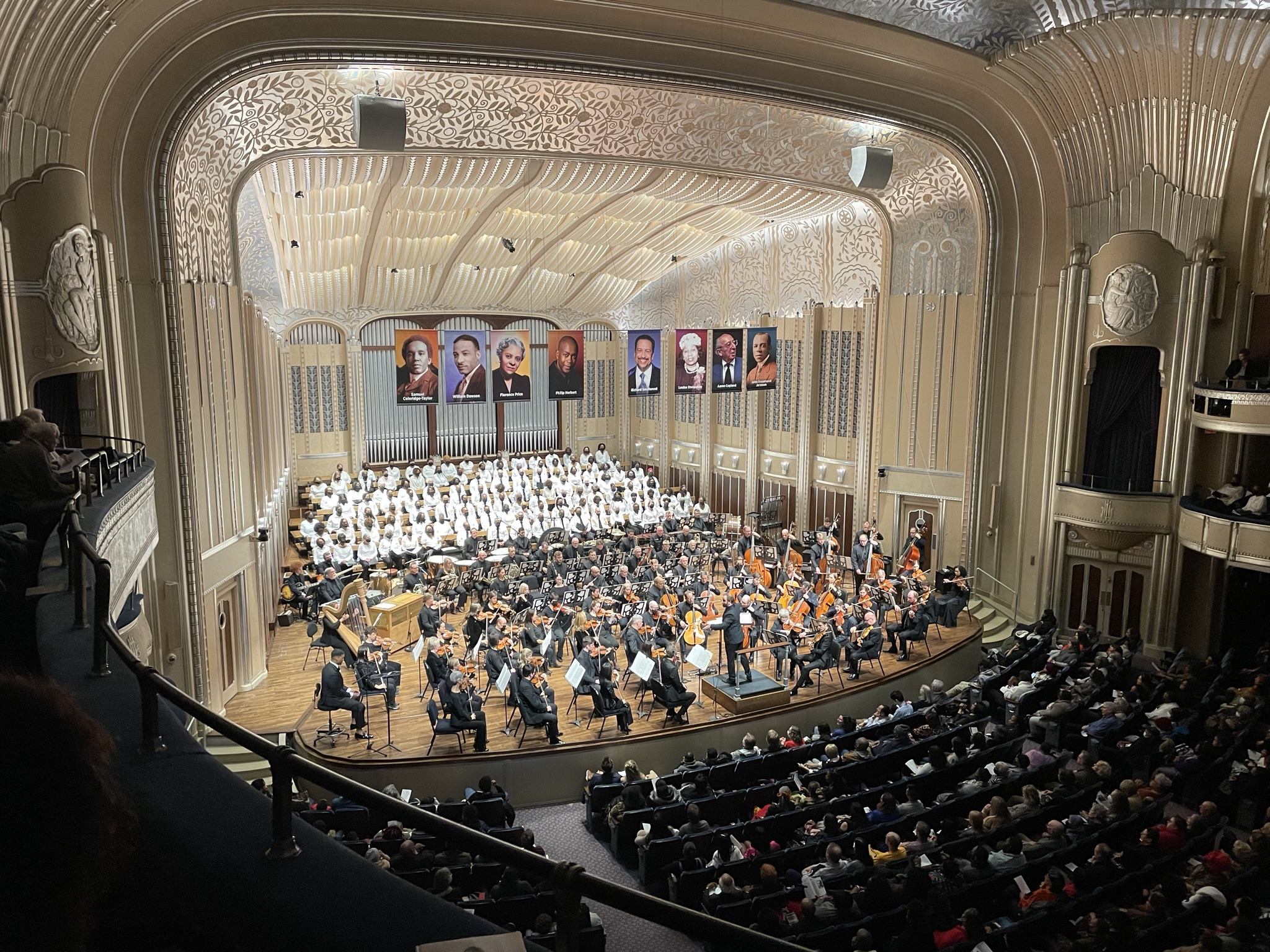
The Cleveland Orchestra’s management and its musicians’ union reached a tentative agreement on a new three-year contract late Saturday and ratified it Sunday afternoon, ending a three-day strike, according to a release from the orchestra’s Musical Arts Association. The deal sets a 5% pay raise each year, changes the musicians’ health plan, and codifies hiring language that management and the musicians’ negotiating chair describe in different terms.
What the contract contains
The new three-year deal guarantees a 5% increase each year and raises base compensation — salary plus the electronic media guarantee — from $165,516 to $191,620 over the contract’s life, according to the orchestra’s release.
On health coverage, the release said the plan moves to a high-deductible, HSA-qualified structure, and that the change will not increase musicians’ costs over the three years of the agreement.
On hiring, the release said the contract codifies “current practice”: musicians take an active role on the audition committee, but the music director keeps final authority over who is hired.
The orchestra’s planned European tour will proceed as scheduled, Oct. 2-21, with 15 concerts in nine countries — including a stop at Vienna’s Musikverein and debut performances in Slovenia and Greece — and is music director Franz Welser-Möst’s final international tour in his 25th and final season, according to the release; Ideastream reported the ensemble departs Tuesday.
What each side says it won
Orchestra CEO André Gremillet said in the release: “I’m very pleased that the strike is behind us and that we have reached an agreement with our musicians.” He added: “While I believe this strike was unnecessary, I want to acknowledge the union’s willingness to engage constructively in the bargaining process over the past two days.”
Musicians’ negotiating chair, violinist Elayna Duitman, told Ideastream she was “happy and proud of” the new audition-committee language: “Everybody on the audition committee [nominates] candidates that they feel are acceptable,” she said. “The music director [picks] who he or she would like to choose, but not picking anybody that doesn’t have approval by the majority of the audition committee.”
The two accounts of the hiring change differ. The orchestra’s release describes it as codifying the music director’s existing final authority; Duitman’s account, as reported by Ideastream, describes a music director who cannot select a hire without majority approval from the audition committee.
How the numbers compare
According to the orchestra’s negotiations page, management says that as of Sept. 21 the union was seeking pay increases totaling 25% over three years. The ratified deal’s 5%-a-year structure compounds to roughly 16% over the same span, which the release’s base-compensation figures show as an increase from $165,516 to $191,620.
The orchestra’s negotiations page describes $165,516 as the minimum guaranteed salary and says “Nearly all musicians receive additional compensation” beyond it.
Ideastream reported that base salaries in Boston and Philadelphia are now above $200,000, with raises of 4% to 4.5% over the next several years; Duitman said Cleveland’s pay lags the other “Big Five” orchestras — New York, Boston, Philadelphia and Chicago. The outlet described the 5% annual raise as “more than recent agreements by other major orchestras.”
The strike in context
Ideastream reported that this was the first time since 1980 that the musicians had been out on strike for more than a day; a 2010 strike lasted a single day, during a period when the orchestra reported a $2 million deficit, and that by last fall the orchestra reported a small surplus and a $329 million endowment.
Talks began in July and included 11 bargaining sessions, according to Ideastream and the orchestra’s negotiations page. The contract expired Aug. 30; on Sept. 2 the two sides agreed to extend it through Sept. 23, according to the orchestra’s negotiations page. Ideastream reported that the extension was accompanied by a unanimous strike authorization. The strike began after a performance on Sept. 24, per Ideastream; the orchestra’s release described the strike as being in effect “as of September 25.”
What it means for ticket holders and the tour
According to the orchestra’s negotiations page, two concerts were canceled during the strike — a Sept. 25 performance at the University of Michigan and a Sept. 26 concert at Severance Music Center — and the Severance concert will not be rescheduled. Holders of tickets to that concert can request a refund or exchange for any performance in the 2026-27 season through the Severance Music Center Ticket Office, at 216-231-1111 or boxoffice@clevelandorchestra.com, weekdays from 9 a.m. to 6 p.m.