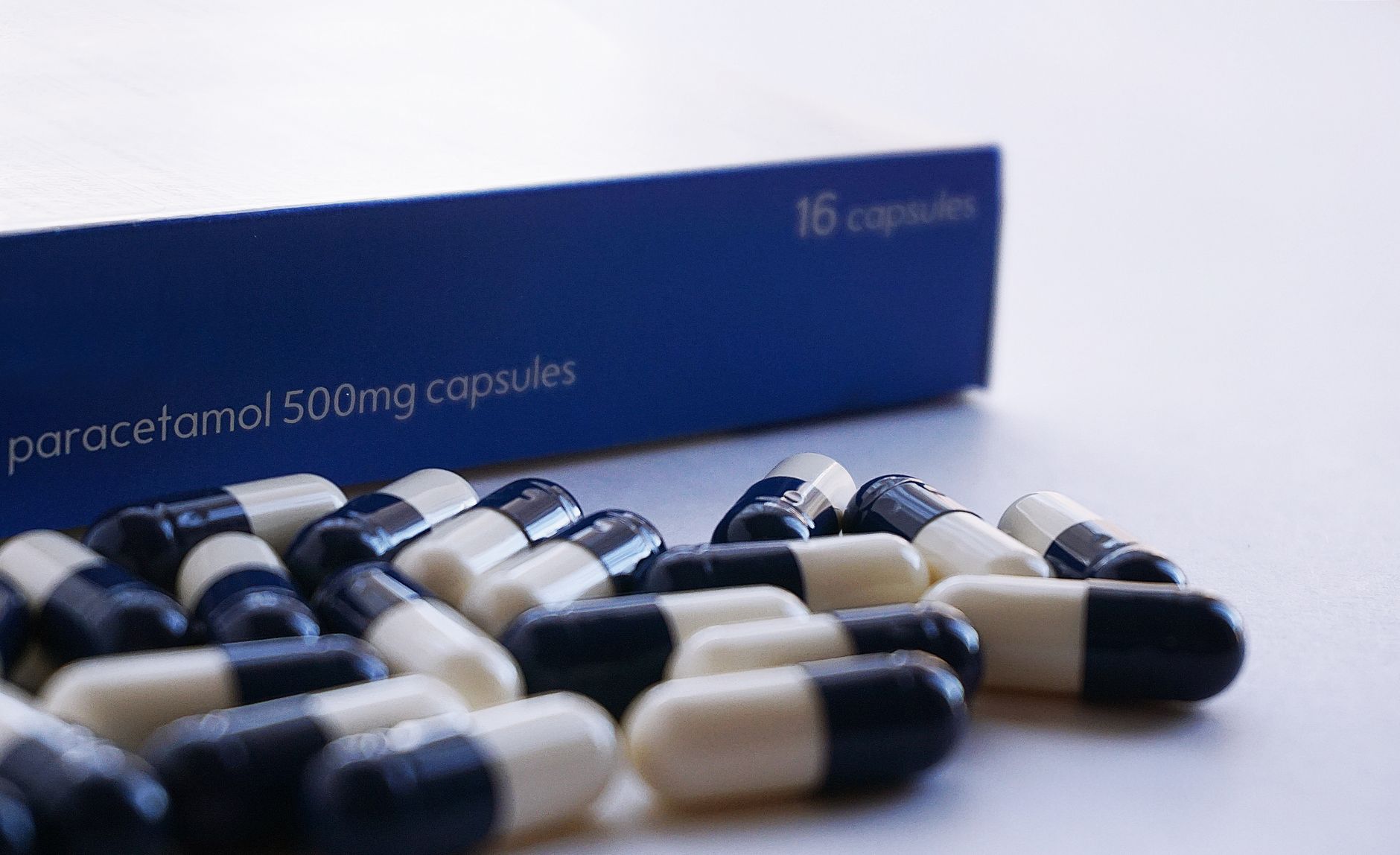
A new observational study out of Copenhagen has found that girls whose mothers used paracetamol (acetaminophen) early in pregnancy had, on average, smaller ovaries and uteruses at three months old than girls whose mothers did not. The study, led by Dr. Margit Bistrup Fischer at Copenhagen University Hospital–Rigshospitalet, was published Sept. 8, 2026, in the journal Human Reproduction Open.
Key facts
- Study: COPANA (Copenhagen Analgesic Study), led by Dr. Margit Bistrup Fischer at Copenhagen University Hospital–Rigshospitalet
- Published: Sept. 8, 2026, in Human Reproduction Open
- Participants: 685 pregnant women enrolled in their first trimester (March 2020–November 2022); 302 of their daughters examined by ultrasound and hormone testing at three months old
- Unadjusted findings: exposed girls had, on average, about 40% smaller ovarian volume, about 13% smaller uterine volume, and about 23% fewer ovarian follicles
- Caveat: independent statisticians who reviewed the study say only two effects remained statistically significant after adjusting for other factors — the study shows an association, not proof that paracetamol caused the difference
- Guidance unchanged: no regulator, including ACOG or the FDA (Food and Drug Administration), has changed its advice because of this study
Timeline
- 2020 — COPANA study begins recruiting pregnant women at Rigshospitalet in Copenhagen
- 2020–2022 — 685 women enrolled in their first trimester; paracetamol use tracked via biweekly reports and a first-trimester urine sample
- 2024 — An earlier sub-study of 287 boys from the same cohort is presented, finding reduced testicle volume linked to paracetamol exposure before 14 weeks
- September 2025 — The Trump administration and then-HHS Secretary Robert F. Kennedy Jr. link prenatal Tylenol use to autism, a separate and disputed claim
- Sept. 9, 2026 — The new peer-reviewed study on girls’ ovaries and uteruses is published in Human Reproduction Open
What the study found
The study is part of COPANA, the Copenhagen Analgesic Study, a project that has been following pregnant women and their children at Rigshospitalet since 2020. Researchers invited 3,425 pregnant women and enrolled 685 of them in their first trimester between March 2020 and November 2022. The mothers reported their paracetamol use every two weeks throughout pregnancy and gave a urine sample in the first trimester so researchers could confirm exposure directly, rather than relying only on what mothers remembered.
At three months old, 302 of the participants’ daughters were examined by ultrasound and hormone testing. Compared with girls whose mothers hadn’t used paracetamol, the exposed girls had, on average, about 40% smaller ovarian volume, about 13% smaller uterine volume, and about 23% fewer ovarian follicles. Girls exposed earlier in pregnancy, before 17 weeks, also had lower levels of anti-Müllerian hormone, a marker doctors use to estimate how many eggs a woman’s ovaries are carrying.
Fischer and independent statisticians who reviewed the work both say the findings show an association, not proof that the drug caused the difference — and that pregnant women should not stop taking paracetamol because of it. Fischer said the findings do not show that paracetamol harmed these children. “The study does not evaluate if paracetamol causes reproductive problems, nor does it provide evidence that prenatal exposure affects future fertility or age at menopause,” she said, describing the work as observational — the kind of study that can show a pattern but can’t prove what caused it.
Why outside experts are urging caution
Independent statisticians who reviewed the study for the UK’s Science Media Centre flagged a caveat that got less attention than the headline percentages above. After they adjusted the results for other factors that could explain the differences, only two effects remained statistically significant: a modeled difference in ovarian volume tied to early exposure, and a modest difference in follicle count tied to later exposure. The reviewers did not report exact numbers for either of those two narrower, adjusted results. The only percentages anywhere in the study are the original, unadjusted figures above — roughly 40% smaller ovarian volume, 13% smaller uterine volume and 23% fewer follicles — and the reviewers’ caution means even those specific numbers may not hold up as cleanly as they read at first glance. The reviewers also noted the study tested 13 different outcomes in a comparatively modest sample. The analysis adjusted only for the mother’s fever, not for other conditions that might have led her to take paracetamol in the first place. The reviewers also found more smokers in the group exposed earlier in pregnancy. Any of those gaps could distort the results.
Several of the named reviewers said the study shouldn’t change how doctors or patients approach paracetamol. “This paper would not change my practice or advice,” said Prof. Dimitrios Siassakos of University College London. Other reviewers who examined the study for the Science Media Centre made the same point in their own words: it is too early to recommend a change in behavior, and pregnant women should not conclude from this study that paracetamol will harm their child.
The mothers in the study who used paracetamol generally took modest amounts — none exceeded the recommended daily maximum of 4,000 milligrams — mostly for headaches or musculoskeletal pain.
What about boys?
A separate, earlier sub-study of the same Copenhagen research cohort examined 287 boys and found reduced testicle volume and lower levels of certain steroid-hormone precursors in infancy among those exposed to paracetamol before 14 weeks of pregnancy. That finding is not new: it was presented back in 2024, two years before this month’s paper on girls, and has simply resurfaced in coverage of this month’s news. The new, peer-reviewed paper published this month covers girls only — it does not include or update the boys’ data.
Not the same as last year’s Tylenol-autism dispute
This study is unrelated to the dispute that broke out in September 2025, when the Trump administration and then-Health and Human Services Secretary Robert F. Kennedy Jr. said prenatal Tylenol use was linked to autism and pushed for a new warning label. That claim addressed a different outcome — autism and neurodevelopment — and was disputed by the World Health Organization, the American College of Obstetricians and Gynecologists (ACOG) and the Autism Science Foundation. The Copenhagen study, by contrast, looked only at the physical size of reproductive organs in infancy.
What this means if you’re pregnant
No regulator has changed its guidance because of this study. ACOG, which reaffirmed its position in September 2025, still calls acetaminophen one of the only medications considered safe for pain or fever during pregnancy, and recommends the lowest effective dose for the shortest time needed — not because paracetamol is risk-free, but because untreated fever and pain carry their own risks. The FDA’s label, as of its most recent update, still tells pregnant women only to ask a health professional before use.
Fischer said the goal of publishing the findings isn’t to alarm anyone but to start a conversation. “It’s definitely something we need as a society to talk about and inform pregnant women more about, so they can make an informed decision,” she said. Anyone who is pregnant and taking paracetamol regularly, and has questions after this study, should raise them with their own obstetric provider rather than change their medication use on their own.
Sources and further reading
- Trump links autism and Tylenol: is there any truth to it?
- PubMed
- The Copenhagen Analgesic Study (COPANA)
- Paracetamol and pregnancy: what you need to know
- FDA guidance document referenced re: acetaminophen and pregnancy
- Maternal urinary paracetamol is associated with reduced uterine size and breast tissue diameter at infancy: a COPANA cohort study of 302 healthy girls
- ACOG Affirms Safety and Benefits of Acetaminophen during Pregnancy