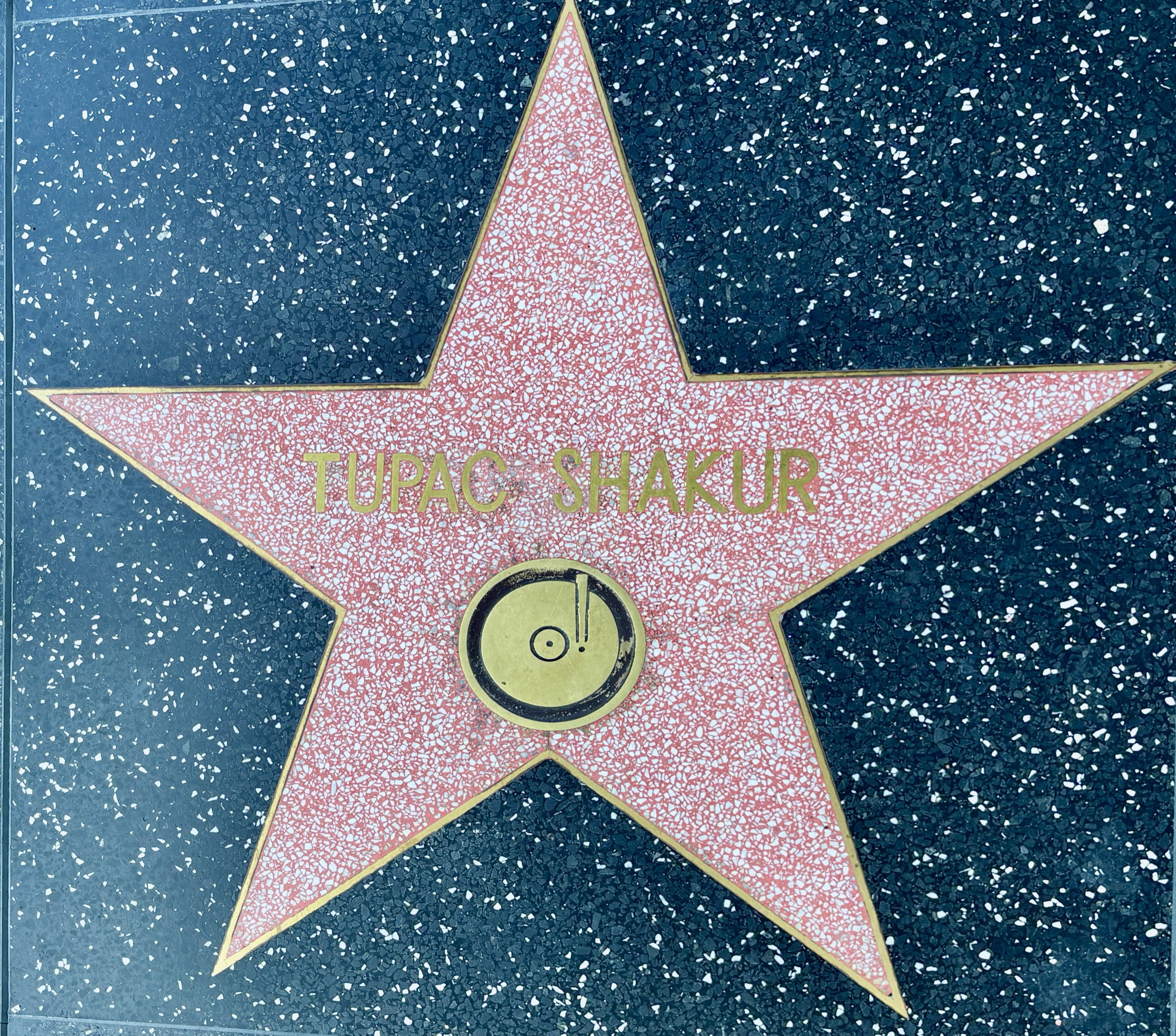
A Las Vegas judge sentenced Duane “Keffe D” Davis to 40 years to life in prison on Tuesday for the 1996 killing of Tupac Shakur, more than 30 years after the rapper was shot. A jury convicted Davis six weeks earlier. He is the only person ever charged in the case, and his lawyer says he plans to appeal.
What the judge decided
Judge Carli Kierny of Clark County District Court in Las Vegas imposed the sentence on Tuesday, Oct. 13, 2026. Davis is 63. The jury had convicted him on Aug. 31, and AP and NBC News describe the conviction as first-degree murder with use of a deadly weapon. CBS worded the count as murder with a deadly weapon with the intent to promote, further or assist a criminal gang, and reported that prosecutors said the state would dismiss the gang-related portion. Davis pleaded not guilty. A sentence of 40 years to life sets a minimum of 40 years and a maximum of life in prison; whether and when parole could come is described below.
Where reports differ on the sentence
The outlets describe the structure of the 40 years to life differently. NBC News reported that the sentence includes a 20-year mandatory enhancement for profiting off the murder, which Judge Kierny told the court. The Source, a hip-hop news outlet, reported a term of 20 years to life followed by a consecutive 20 years to life for a deadly-weapon enhancement.
They also describe the credit for time served differently. CBS wrote that the judge said Davis would receive credit for time already served. FOX5 Las Vegas reported that Davis sought 1,111 days of credit and that the judge denied it because that time was applied to another case. KTNV, a Las Vegas television station, reported 731 days of credit.
On parole, the reports are not in conflict: KTNV put eligibility at 40 years, while The Source said it was decades away. No official calculation has been published. The written judgment would settle the structure, the credit and the parole date; it has not been reported.
What was said in court
Prosecutor Marc DiGiacomo said Davis was trying to profit off the killing for which he was convicted and does not deserve the minimum sentence. According to AP, he said that whatever sentence the court imposes, Davis is “guaranteed to die” behind bars, and added: “In my mind he deserves the maximum possible sentence.”
Chief Deputy District Attorney Binu Palal, pointing to five other convictions and Davis’s public boasting, also asked for the maximum possible sentence. NBC News reported that he told the judge: “He 100% deserves the maximum possible sentence.”
Shakur’s sister, Sekyiwa Shakur, gave a victim statement and asked for the maximum. NBC News quoted her saying: “He would have been the promise of our parents. I believe when you take away someone like that, you deserve the maximum sentence.” She also said: “He was a father figure to me.” AP and FOX5 reported that another of Shakur’s siblings, Maurice “Mopreme” Shakur, also spoke at the sentencing, and FOX5 said he asked for the maximum.
The judge, according to NBC News, told Davis: “You don’t get to take a man from his family.” She added: “You don’t get to take his very life, his whole life, and just walk away from it, especially when that man is Tupac Shakur.”
FOX5 reported that the defense asked for the minimum sentence, citing years of delay. Davis spoke only briefly. He asked for items police took from his home, including his pictures, and when asked whether there was anything else, said: “No I’m good.”
Clark County District Attorney Steve Wolfson said in a statement: “Today, justice has been served for Tupac Shakur and his loved ones.” He added: “While no amount of time in prison can bring Tupac back, we hope this sentencing brings some measure of closure and peace to his family after nearly 30 years.”
How the case reached a conviction
Shakur was 25 when he was shot on Sept. 7, 1996, at a red light near the Las Vegas Strip. He was in a black BMW with Marion “Suge” Knight when a white Cadillac pulled up and shots were fired. Knight survived. Shakur died six days later. The case went unsolved for years.
Davis, a former leader of the South Side Compton Crips, later gave interviews and published his role in the shooting in a 2019 tell-all memoir, according to AP. CBS and NBC give its title as “Compton Street Legend.” He was arrested in September 2023.
Davis’s own account
According to AP’s summary of the memoir, Davis explained that Shakur and his entourage beat up his nephew hours before the shooting, that he sought retaliation, and that he was in the passenger seat of the Cadillac and passed the gun to the backseat, where shots were fired.
AP also reported that Davis had spoken to detectives years earlier but avoided prosecution because of an agreement he made with law enforcement. At trial, prosecutors relied on his own statements to law enforcement and to documentarians.
Who fired the shots
Reports differ on what prosecutors said about who fired. CBS reported that Palal, referring to what had been Davis’s own account for a time, said Davis shot Shakur after Shakur and Knight had beaten up Davis’s nephew. NBC reported that prosecutors argued Davis provided the gun and helped orchestrate the attack, and that he was not accused of firing the fatal shots. AP wrote that Davis said his nephew Orlando “Baby Lane” Anderson was the one who pulled the trigger. AP also reported that the three other people who allegedly were in the Cadillac, including Anderson, have died.
The prosecution and defense cases
At trial, prosecutors argued that Davis went “hunting” for Shakur in retaliation after his nephew was beaten, according to CBS News. Palal acknowledged that Davis’s accounts changed over the years but said the core details, that he was in the Cadillac and that shots came from it, stayed consistent.
The defense pointed to a lack of physical evidence connecting Davis to the crime and portrayed him as a liar trying to make money, according to AP. Defense attorney Michael Sanft told jurors that nothing beyond Davis’s own statements placed him in Las Vegas that night, and that there was no surveillance footage or phone logs, according to CBS. The trial lasted about two weeks, NBC reported. AP reported that after nine days of testimony in August, the jury deliberated for three hours before returning its verdict.
What remains unknown
The grounds for an appeal are not clear. Sanft said he plans to appeal and that prosecutors waited too long to bring the case, according to AP. No separate reaction from Knight or the Shakur estate beyond the family’s remarks in court has been reported.
What comes next
The appeal is the next step in the case.
According to AP, after the guilty verdict Wolfson said his office does not believe it has sufficient evidence to charge anyone else, and that the office could consider additional charges if more information or evidence emerges. Davis remains the only person ever charged in Shakur’s death.