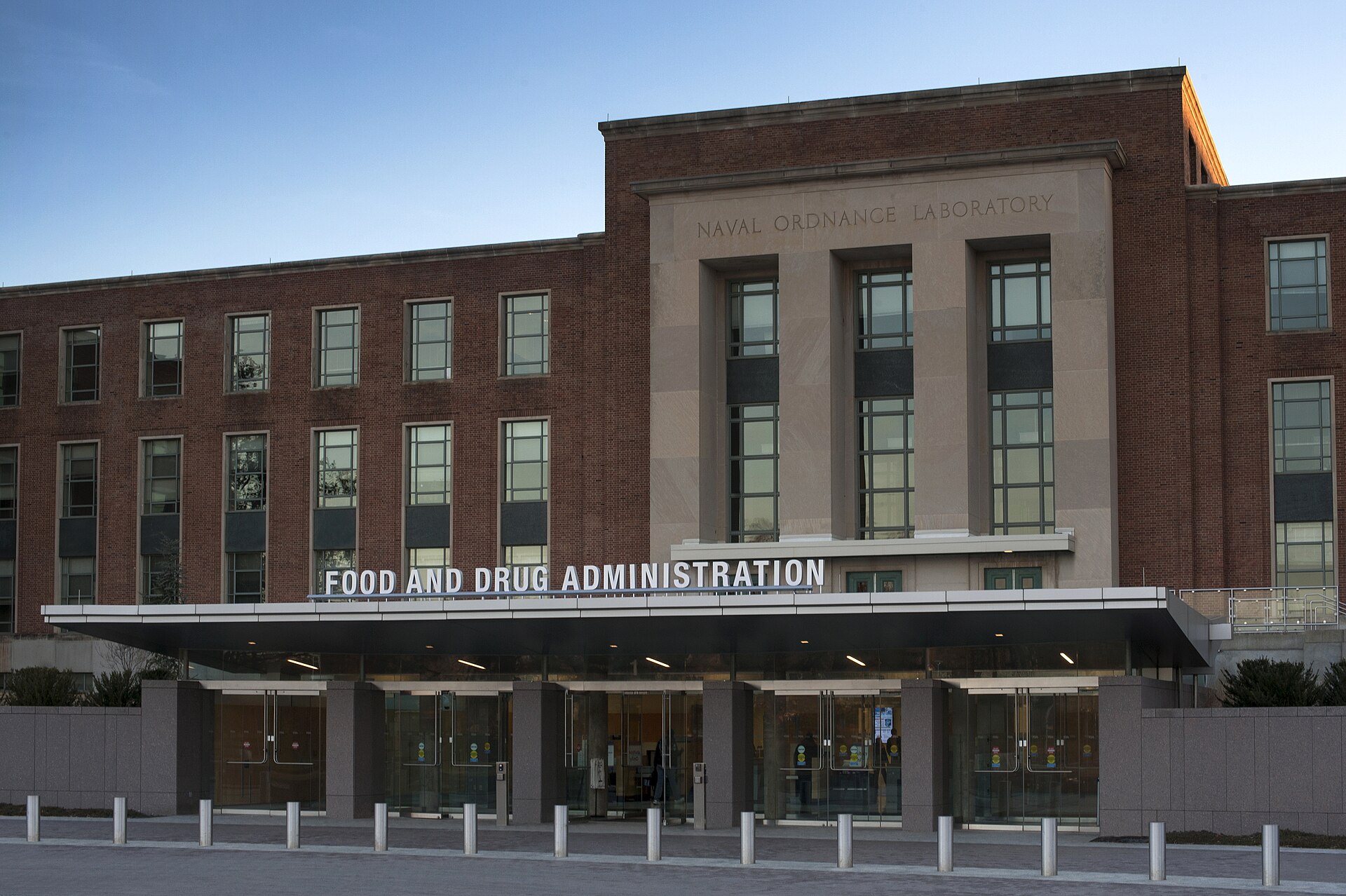
The Food and Drug Administration on Sept. 18, 2026, approved a new use for the breast cancer pill imlunestrant (Inluriyo), an oral selective estrogen receptor degrader, or SERD — a pill that breaks down the estrogen receptor — clearing it to be taken together with abemaciclib (Verzenio) for adults with a specific, hard-to-treat form of the disease. The combination is for people with estrogen receptor (ER)-positive, HER2-negative disease — HER2 is a growth-signal protein, and negative means a tumor doesn’t carry high levels of it. Their cancer must also carry an ESR1 mutation, a change in the estrogen-receptor gene that lets tumor cells keep growing despite hormone therapy, and be locally advanced or metastatic disease that has progressed after at least one round of hormone-based therapy. Both drugs are made by Eli Lilly and Company.
What’s actually new here
This is not the first drug aimed at ESR1 mutations, and pairing one with a CDK4/6 inhibitor isn’t unprecedented either. Elacestrant (Orserdu) won ESR1-targeted approval in January 2023, and imlunestrant on its own was cleared as a monotherapy in September 2025 — Lilly’s release notes this is “the second FDA approval for Inluriyo in less than a year.” Two weeks before the Sept. 18 decision, on Sept. 4, 2026, the FDA granted accelerated approval to AstraZeneca’s camizestrant (Etcamah) in combination with a CDK4/6 inhibitor — abemaciclib, palbociclib or ribociclib — but for a different moment in care: when a blood test detects an ESR1 mutation while a patient has been on first-line aromatase-inhibitor-plus-CDK4/6 therapy for at least six months with no evidence that the cancer has progressed. The Sept. 18 approval covers a later point in treatment instead: pairing imlunestrant with abemaciclib for patients whose disease has already progressed after hormone-based therapy. Imlunestrant on its own remains separately approved for the same group. Lilly executive Jacob Van Naarden described the new regimen as “aligned to the clinically proven treatment paradigm of changing therapy at clinical progression” and said it “doesn’t introduce burdensome monitoring requirements” — the company’s own positioning, not an independent comparison of the two approaches. CDK4/6 inhibitors like abemaciclib block CDK4 and CDK6, proteins that control how fast cancer cells divide; Lilly describes Verzenio as targeting those proteins to help slow their growth.
An ESR1 mutation is a change in the estrogen receptor that lets it keep driving tumor growth even after treatment; it commonly develops during or after a patient has been on an aromatase inhibitor, a common hormone-blocking drug. It’s detected through a blood test rather than a tumor biopsy — in this case, the FDA-authorized Guardant360 CDx assay, which was approved alongside the drug combination as its companion diagnostic. The test looks for the mutation in circulating tumor DNA, fragments of genetic material that tumors shed into the bloodstream.
What the trial showed — and didn’t
The approval rests on EMBER-3, a three-arm trial of 874 adults with ER-positive, HER2-negative advanced or metastatic breast cancer who had already been treated with an aromatase inhibitor, with or without a CDK4/6 inhibitor. Patients were randomized to imlunestrant alone, their doctor’s choice of another hormone therapy, or imlunestrant plus abemaciclib. The trial’s main result — a significant improvement in progression-free survival, meaning the time before the cancer grows or spreads, or the patient dies — was for the combination against imlunestrant alone across the whole study population.
The ESR1-specific numbers come from a smaller slice of that trial: an exploratory subgroup analysis of 159 patients whose tumors carried the mutation. In that subgroup, median progression-free survival was 11.1 months on the combination versus 5.5 months on imlunestrant alone, with a hazard ratio of 0.53 (a lower number favors the combination). Response rates were 35% for the combination versus 15% for imlunestrant alone. The FDA was explicit that imlunestrant by itself did not show a progression-free survival benefit over standard endocrine therapy in the overall trial population, “indicating that the benefit was only observed in the ESR1m population.”
Two caveats matter for reading these numbers correctly. First, the 159-patient result is an exploratory subgroup finding, not the trial’s pre-specified primary analysis. Second, overall survival — whether patients actually live longer — has not been established: overall survival data were immature at the interim analysis, the FDA said.
Side effects and dosing
Under the approved regimen, imlunestrant is taken as a 400 mg pill once daily on an empty stomach, at least two hours before eating or one hour after. Abemaciclib is taken at 150 mg twice daily, with or without food, and treatment continues until the disease progresses or side effects become unacceptable. In the trial, diarrhea was common — reported in 86% of patients on the combination, with severe (grade 3 or 4) diarrhea in 9%. Other frequent side effects included drops in neutrophils and hemoglobin, nausea, fatigue, infections, vomiting, abdominal pain, reduced appetite and rash. Abemaciclib’s label separately warns about neutropenia, lung inflammation, liver toxicity, blood clots and harm to a developing fetus; imlunestrant’s label carries the same warning about harm to a developing fetus.
What clinicians and the company are saying
Dr. Komal Jhaveri of Memorial Sloan Kettering Cancer Center, the trial’s principal investigator, said in Lilly’s announcement: “We have an urgent need for effective and safe treatment options for patients with disease progression on adjuvant or first-line therapy. Combining therapies that work on two distinct drivers of tumor growth—the estrogen receptor and CDK4/6—is an important strategy to help address treatment resistance.”
Jacob Van Naarden, executive vice president and president of Lilly Oncology, said Inluriyo is “the leading treatment option” for this patient group and is “now reaching over half of all patients starting an oral SERD” — a claim from the company, not an independent measure.
What patients can ask their oncologist
- Has ESR1 mutation testing been done, and would a blood test now change the treatment plan?
- How does this combination compare with other options already available for this diagnosis?
- What does “exploratory subgroup” mean for how confident to be in the reported benefit?
- Is there evidence yet on whether the combination affects overall survival, not just delaying progression?
- What side effects, especially diarrhea, should prompt a call to the care team?
The FDA said full prescribing information will be posted on Drugs@FDA. As with any new treatment, whether it’s the right choice is a decision for a patient to make with their oncologist based on their own case.
Sources and further reading
- FDA approves imlunestrant in combination with abemaciclib for ER-positive, HER2-negative, ESR1-mutated advanced or metastatic breast cancer
- FDA approves elacestrant for ER-positive, HER2-negative, ESR1-mutated advanced or metastatic breast cancer
- EMBER-3 (NCT04975308)
- FDA grants accelerated approval to camizestrant with a CDK4/6 inhibitor for ESR1-mutated HR-positive, HER2-negative locally advanced or metastatic breast cancer
- U.S. FDA approves Inluriyo (imlunestrant) in combination with Verzenio (abemaciclib)