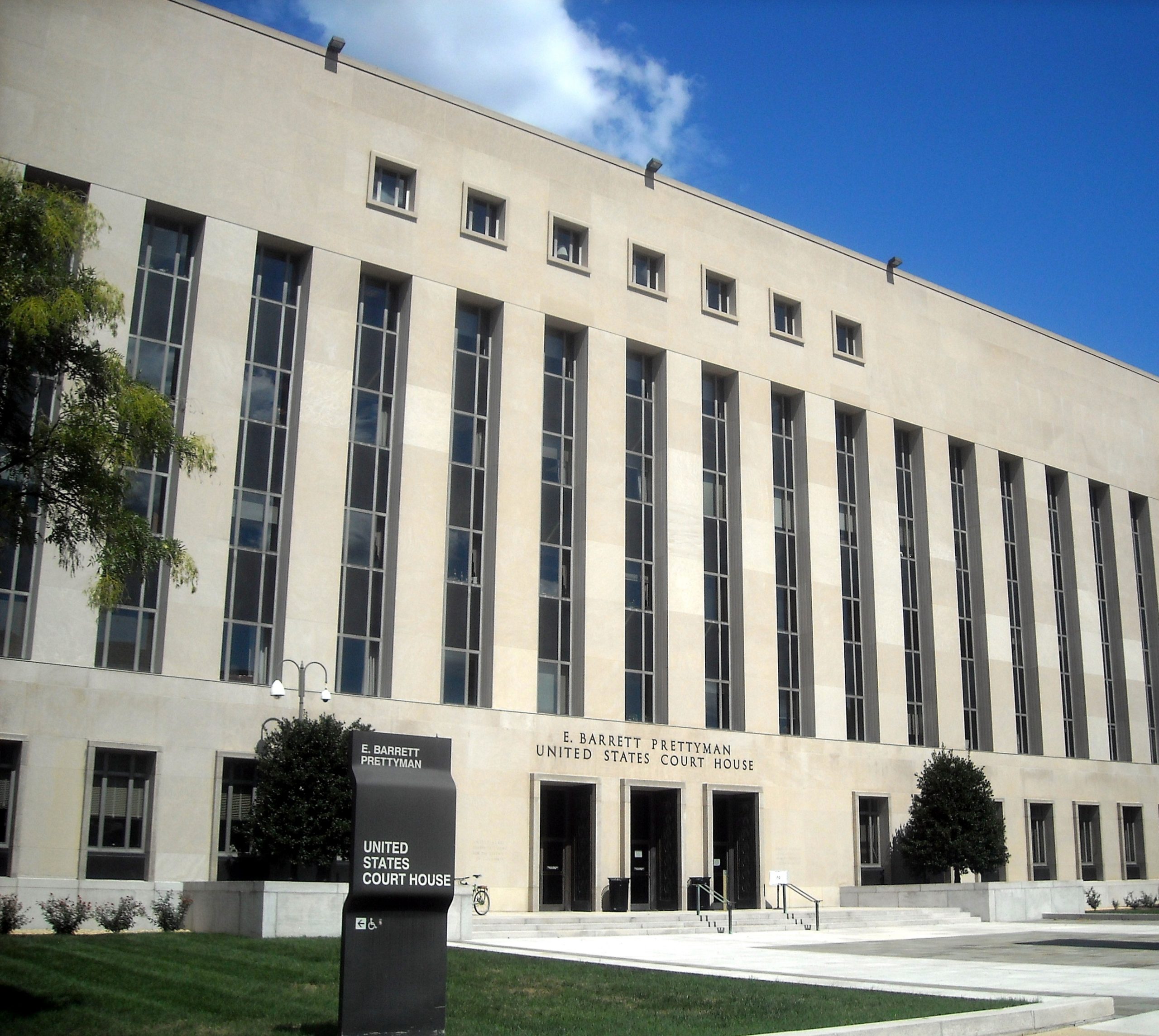
The last criminal case from the January 6, 2021 attack on the U.S. Capitol is closed — and the judge who closed it wanted everyone to know he disagreed with the ending.
On Tuesday, August 4, 2026, U.S. District Judge Amit P. Mehta dismissed the seditious-conspiracy case against Oath Keepers founder Stewart Rhodes and the other members of the group charged with him, granting a Justice Department request to end the prosecution. Mehta is the same judge who presided over Rhodes’ trial and sentenced him to 18 years in prison. “This is the last of the prosecutions seeking to hold accountable those responsible for the events of January 6,” he wrote. “That book is now closed.”
The dismissal is not an acquittal, and it is not a pardon. No court has found Rhodes innocent, and the ruling did not re-examine the evidence against him. The government asked for its own case to be thrown out, and Mehta noted that in doing so it never argued the charges were flawed: “The government does not say that the charges were legally deficient,” his order states.
Key facts
- Judge Amit Mehta dismissed the seditious-conspiracy case against Stewart Rhodes and his co-defendants on August 4, 2026, at the Justice Department’s request.
- The dismissal is not an acquittal or a pardon — no court has found Rhodes innocent. His 18-year sentence was commuted, not pardoned, in January 2025, and the appeals court vacated — formally wiped out — the 2022 conviction in May 2026, at the Justice Department’s own request.
- News outlets disagree on how many defendants the dismissal covered: most, including the Daily Herald and the Associated Press, count eight; CNN and Newsweek count nine.
- The parallel Proud Boys seditious-conspiracy case was closed the same way in July 2026.
Three separate events, often blurred together
To follow this story, three legal events have to stay separate — coverage and search results often run them together.
- First, the conviction. In November 2022, a jury found Rhodes guilty of seditious conspiracy — plotting to use force against the authority of the U.S. government — after a nine-week trial. It was the first conviction on that charge since 1995. Seditious conspiracy was the lead count in an indictment that also charged the group with conspiring to obstruct an official proceeding and conspiring to prevent officers of the United States from discharging their duties. In May 2023, Mehta sentenced him to 18 years, at the time the longest sentence handed down in any January 6 case.
- Second, the commutation. On January 20, 2025, his first day back in office, President Trump issued Proclamation 10887, granting clemency across the January 6 cases. Rhodes was one of 14 people whose sentences were commuted — cut short to time served — while the others convicted of January 6 offenses received full pardons. The difference matters: a pardon forgives the offense itself, while a commutation only ends the punishment and leaves the conviction on the books. Rhodes walked out of the federal prison in Cumberland, Maryland, a free man but still a convicted one.
- Third, the erasure of the case itself, this year. This happened in two steps, in two different courts. In April 2026, the Justice Department asked the federal appeals court in Washington to vacate — formally wipe out — the seditious-conspiracy convictions of Oath Keepers and Proud Boys defendants and to have the underlying charges dismissed. The appeals court’s part came first: in May 2026, it granted the vacatur at the department’s own request and sent the case back to Mehta’s courtroom. The trial court’s part came on August 4, when Mehta dismissed the indictment — the document that carried the charges — ending the prosecution.
“The court cannot write a different ending”
Mehta granted the motion reluctantly — his own word for it in the order — and he used the order to say plainly what he thought of it. The dismissal, he wrote, was “not in the public interest.” Then he went further:
“Today’s epilogue diminishes the gravity of that day, denigrates the work of the prosecutors and law enforcement officers who secured these convictions, and excuses criminal acts that caused a centuries-long pillar of our democracy — the peaceful transfer of presidential power — to buckle.”
“The court cannot write a different ending,” he added.
So why grant a motion he condemned? Because, Mehta explained, the law gives prosecutors — not judges — the power to decide whom to charge. Courts generally cannot force the government to keep prosecuting a case it wants to drop. “The court must give way to the primacy of the Executive Branch in making charging decisions,” he wrote.
One more fact about the judge: Mehta was nominated to the federal bench by President Barack Obama in 2014.
What the two sides said
The Justice Department’s own argument was short: continuing to prosecute the case, its motion said, was not in the interest of justice. The motion did not claim prosecutorial misconduct, insufficient evidence, or trial errors, and — as Mehta’s order notes — it did not argue that the defendants’ rights had been violated. The dismissal followed Trump’s directive, issued on his first day of his second term, to drop the pending January 6 cases.
The defense welcomed the outcome. An attorney for Rhodes was quoted in reports as saying seditious conspiracy “should never have been charged,” describing it as a “thought crime” — wording that has not been verified against a primary statement. Nicholas Smith, an attorney for one of the co-defendants, said the defense was grateful to the Justice Department for its “wise decision.”
The Proud Boys case ended the same way
The Oath Keepers were the last in line, not the only ones. In July 2026, U.S. District Judge Timothy Kelly — a Trump appointee — dismissed the parallel seditious-conspiracy case against Proud Boys members Ethan Nordean, Joseph Biggs and Zachary Rehl after the same sequence: the appeals court vacated their convictions on the government’s motion, and the trial court then closed the case. Former Proud Boys chairman Enrique Tarrio had already received a full pardon in January 2025.
Where Rhodes stands now
Rhodes has been out of prison since January 2025. Reporting from late 2025 into early 2026 described his stated plans to relaunch the Oath Keepers; what he is doing now is not described in the coverage of the dismissal. With the indictment dismissed, the criminal case that began with his arrest is over — but as Mehta’s order makes clear, it ended by the government’s choice, not by a verdict in Rhodes’ favor.
Frequently asked questions
Was Stewart Rhodes pardoned?
No. In January 2025, President Trump commuted Rhodes’ 18-year sentence, which ended his prison time but left the 2022 conviction in place at the time; the appeals court vacated that conviction in May 2026, at the Justice Department’s request. A pardon forgives the offense itself; a commutation only ends the punishment. Rhodes has not received a pardon in this case.
Does the dismissal mean Rhodes was found innocent?
No. Judge Mehta’s dismissal is not an acquittal. No court re-examined the evidence against him, and the Justice Department’s own motion did not argue the charges were legally deficient — it said only that continuing the prosecution was not in the interest of justice.
How many defendants were covered by the dismissal?
Reports differ. Most outlets, including the Daily Herald and the Associated Press, count eight defendants including Rhodes; CNN and Newsweek count nine. No single confirmed list of names has emerged.
Could Rhodes face these charges again?
That is not settled in the reporting available so far. The coverage does not resolve whether the charges could ever be brought again, or exactly what remains on Rhodes’ record now that the convictions were vacated and the indictment dismissed.
Sources and further reading
- Amit Priyavadan Mehta – Biographical Directory of Article III Federal Judges
- Proclamation 10887 – Granting Pardons and Commutation of Sentences for Certain Offenses Relating to the Events at or Near the United States Capitol on January 6, 2021
- Docket for United States v. RHODES, III, 1:22-cr-00015 (D.D.C.)