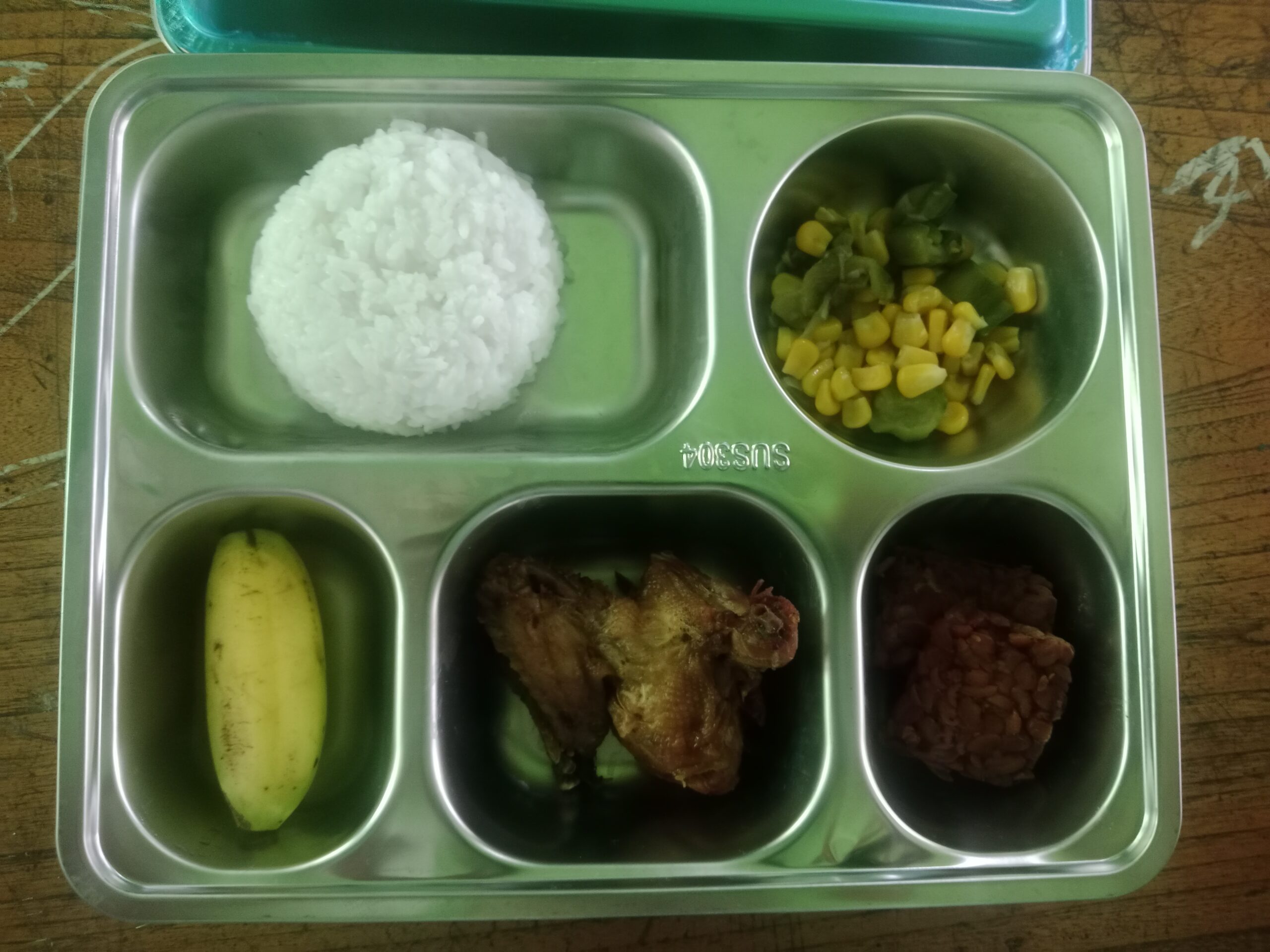

Nearly 2,000 people, most of them students, teachers and religious-boarding-school pupils, fell ill with suspected food poisoning between September 1 and 4, 2026, after eating meals distributed through Indonesia’s national free school meal program.
Key facts
- Illnesses: nearly 2,000 people across five provinces, September 1-4, 2026
- Deaths: none reported
- Cause: still under investigation; no pathogen or contaminant confirmed
- Program: Makan Bergizi Gratis (MBG), President Prabowo Subianto’s free school meal policy, launched January 2025, targeting roughly 90 million beneficiaries nationwide
- Run by: Indonesia’s National Nutrition Agency (Badan Gizi Nasional, or BGN), headed by Sudaryono
- Program-wide history: 50,059 people sickened in 560 incidents across 245 districts and 36 provinces since launch, per Indonesia’s Ministry of Health — separate from the roughly 2,000 sickened in early September
The program is projected by the government to cost about $28 billion through 2029. This is not MBG’s first brush with food safety: the cumulative program-wide tally above is distinct from the illnesses covered here, which struck five provinces over the same few days in early September. The nearly-2,000 figure covers only those five provinces.
Because local counts were reported at different times and do not reconcile to one final total, the figures below should not be added to produce a definitive count.
Where people got sick
- Rembang, Central Java: 777 students and teachers at a state high school, the single largest cluster, after eating a meal supplied by a local BGN kitchen — nausea, vomiting, stomach pain and diarrhea
- Sidoarjo, East Java: the count climbed over several days of updates to roughly 730 to 750 people, most of them at an Islamic boarding school, Pondok Pesantren Manbaul Hikam; in the most recent count found, about 735 had been discharged or were recovering and 13 remained hospitalized
- Agam, West Sumatra: 276 cases among elementary, middle and high school students and their teachers
- Jombang, East Java: 256 students and teachers at SMPN 1 Kabuh showed mass-poisoning symptoms, and the school closed on September 3.
- Tana Toraja, South Sulawesi: officials issued updates through September 5 that raised the count to 173, with 13 still hospitalized
- Bener Meriah, Aceh: 16 people treated in total — 15 elementary school students and their principal
Two more clusters fell outside that five-province, nearly-2,000 count:
- Nganjuk, East Java: about 127 people sickened; hospitalizations peaked at 33 before falling to 18 still under care
- Bengkulu City: seven students fell ill on September 4; officials pulled MBG food packages already sent to ten other schools and sent samples for laboratory testing
None of the sickened children has been publicly named; coverage has referred to victims only by school, district and aggregate count.
What caused the poisonings
What caused the poisonings has not been officially pinned down. No pathogen or contaminant has been confirmed for this cluster. Sudaryono, the BGN chief, has said an internal review of the agency’s past incidents found that 80 to 90 percent were tied to failures to follow basic food-safety procedures — how food is stored, how ingredients are received, whether temperature is controlled, and whether meals are eaten within their labeled safe window.
In Sidoarjo specifically, Sudaryono acknowledged the poisoning there stemmed from negligence by the local meal-service unit: a preliminary investigation found the meal had actually been prepared at 5 a.m., meaning it should have been eaten by 9 a.m. — but the tray was labeled as prepared three hours later, at 8 a.m., which pointed to a false, later safe-consumption deadline of 10 a.m. He apologized to the boarding school’s students.
Timeline
- September 1-4, 2026 — Nearly 2,000 people across five provinces fall ill after eating MBG school meals; illnesses reported in Rembang, Sidoarjo, Agam, Tana Toraja and Bener Meriah, plus separate clusters in Nganjuk and Bengkulu City
- September 4, 2026 — Komnas HAM (human rights commission) publicly calls on police to investigate; officials in Bengkulu City report seven students sickened and pull MBG food packages already sent to ten other schools
- September 5, 2026 — Tana Toraja officials update their case count to 173, with 13 still hospitalized
What comes next
The Sidoarjo kitchen was suspended for 30 days with a recommendation to replace its unit head, and Bengkulu’s meal operations there were halted pending lab results. It’s not clear from what has been reported whether the kitchens tied to the other three clusters — Rembang, Agam and Tana Toraja — have resumed serving meals.
BGN says it is reviewing roughly 27,000 meal-distribution centers nationwide and has already permanently closed about 833 kitchens for hygiene and sanitation violations, a figure first announced in July, before this outbreak. Sudaryono has warned that criminal charges are possible for kitchens or staff where negligence is proven, though no charges in connection with this cluster had been publicly reported in the available coverage.
Indonesia’s National Commission on Human Rights (Komnas HAM) publicly called on the national police on September 4 to investigate the poisonings, saying the right to safe food is a human right and that without stronger sanitation standards the program “will lose its moral legitimacy.” Police had not responded publicly in the days that followed. Separately, a committee of Indonesia’s House of Representatives said it would summon BGN to review the program’s operating standards, and a legal-aid group has called for a national moratorium pending an independent food-safety audit.
Despite those calls, the government says it will not shut the program down. “We will fix the problems as the program continues,” State Secretary Minister Juri Ardiantoro said. “There is no need to stop it entirely.” An economic think tank, Indef, has urged a temporary suspension instead. The cumulative toll has prompted calls in Jakarta for tighter oversight of a program that targets roughly 90 million beneficiaries, even as officials say it will continue.