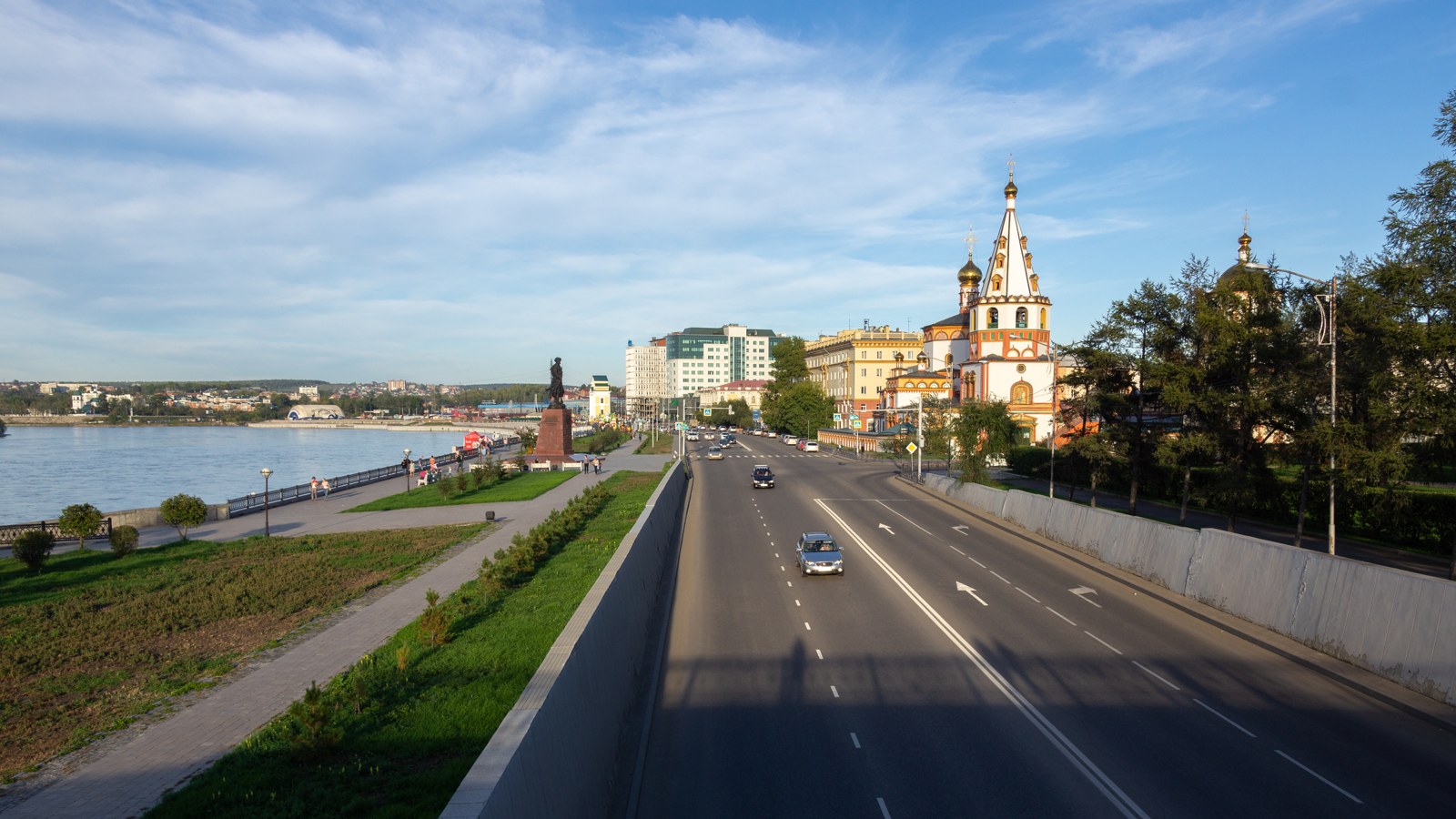
As of about 1:25 p.m. EDT Monday, Oct. 5, 2026, a worker at an anti-plague institute in Russia’s Irkutsk region has died; Russian authorities say she had been diagnosed with pneumonia of unknown cause, and the US State Department says it is aware of “reports of a fatal case of suspected pneumonic plague.” Neither Rospotrebnadzor, Russia’s health watchdog, nor the World Health Organization has confirmed plague, although a regional governor has said she “died, maybe of the plague.”
What is confirmed and what is not
The confirmed part is narrow. A female staffer at the Irkutsk Anti-Plague Institute of Siberia and the Far East died, according to NBC News, from a “pneumonia of undetermined” origin last week, as the regional governor described it. Radio Free Europe/Radio Liberty (RFE/RL, dated Oct. 5, early morning Central European time), which calls the institute the Irkutsk Anti-Plague Research Institute of Siberia and the Far East and describes the worker as a laboratory technician, reports that Rospotrebnadzor, Russia’s consumer and public-health watchdog, said she had been diagnosed with “pneumonia of unknown etiology,” meaning its cause was unknown.
The suspected part is the plague. The State Department’s words are “reports of a fatal case of suspected pneumonic plague” in Irkutsk oblast, as quoted by both NBC and RFE/RL. The World Health Organization (WHO), in a statement quoted in the version of NBC’s report we read (updated 9:33 a.m. EDT), said it was aware of reports that a lab worker had died of “severe pneumonia” but that “no cause of death has been officially confirmed.”
What happened, and where
The institute is in the Irkutsk region of Siberia. NBC says the mayor of the Shelekhov municipal district, Maksim Modin, spoke on Friday; NBC describes the Shelekhov municipal district as near the border with Mongolia. He said the inpatient facility where the worker is said to have been treated had been closed for quarantine.
On timing, the sources differ. NBC says she died “last week.” RFE/RL, citing “news reports and sources” rather than officials, says she was hospitalized on Sept. 29 and died at a hospital early on Oct. 2.
What Russian officials say
- The governor. NBC quotes the regional governor as saying no “microorganisms linked to the employee’s professional activities were detected” in her body. He also said there had been “no new cases” of illness among other lab employees. RFE/RL spells his name Igor Kobzev (NBC spells it Kobsev). In a Telegram post on Oct. 5, according to RFE/RL, he said the “sanitary and epidemiological situation in Irkutsk” and the nearby district “is currently stable.” He added that no new cases of institute employees seeking medical care had been reported in recent days.
- A neighboring governor. Al Jazeera, citing a Telegram post on Saturday, reports that Alexei Tsydenov, the governor of the neighboring Buryatia region, said a woman in the Irkutsk region had “died, maybe of the plague,” while insisting that Russian authorities had confirmed she had not travelled to Buryatia.
- Rospotrebnadzor. Al Jazeera reports that TASS said on Sunday that the agency described an employee as diagnosed with “pneumonia of unknown aetiology.” According to RFE/RL, the agency said additional testing was done because of her professional activities but did not detect microorganisms associated with her work. It also said no accidents involving pathogenic microorganisms had been recorded at the institute.
- The Kremlin. NBC asked Kremlin spokesman Dmitry Peskov about the matter. He said Rospotrebnadzor was handling the investigation. “It is their official statements that should be relied upon— rather than paying heed to various rumors, speculations, and the like,” he said.
RFE/RL writes that the precautionary measures “have fueled speculation because Russian officials initially avoided publicly referring to plague.”
What is being done
NBC and RFE/RL report the following measures; RFE/RL calls them precautionary.
- People under observation. NBC reports that nearly 200 people who had been in contact with the woman were reportedly placed under precautionary medical observation, citing Russian media that in turn cited officials. RFE/RL says about 200 people who may have had contact were placed under medical observation or isolation, many of them at hospitals in the area, according to media reports.
- Hospital quarantine. NBC says at least one hospital facility is under quarantine. RFE/RL reports quarantine at two Irkutsk hospitals and a maternity hospital, with visitors barred and patients unable to leave for up to six days.
- Institute staff. Two anonymous sources among employees and their relatives told RFE/RL’s Siberia.Realities that staff have been confined to the institute since Oct. 2. They said more than 60 people were awaiting test results. A relative of an employee told the service that “by Saturday (October 3), not a single positive test had been found.” These accounts come from anonymous sources.
- Masks. RFE/RL reports that on Oct. 3 the Irkutsk Aluminum Plant in nearby Shelekhov introduced a mask mandate.
Neither NBC’s nor RFE/RL’s report says whether the roughly 200 people and the more than 60 institute staff overlap.
What the US and the WHO say
A State Department spokesman said, according to NBC: “Many details have not been confirmed.” The spokesman said there had been “reports of a fatal case of suspected pneumonic plague” in Irkutsk oblast and added, “We encourage Russian authorities to share accurate information quickly and openly.”
A State Department spokesperson told RFE/RL the department was “monitoring the situation closely with the CDC” and “our other interagency partners,” the US Centers for Disease Control and Prevention being the CDC. The department also noted that plague is treatable with commonly available antibiotics, particularly when treatment begins early.
Secretary of State Marco Rubio, asked about the matter on Monday, said the US was “watching and monitoring it closely.” NBC quotes him saying that despite “very limited travel between the U.S. and Russia,” if “something like that gets out, it could quickly spread.” He also said: “I don’t think it’s cause for alarm, but it is cause for focus and a cause just to keep an eye on it.”
What pneumonic plague is and how it spreads
NBC says pneumonic plague “is caused by the same bacteria as the bubonic plague and can spread from person to person through airborne respiratory droplets, typically from sneezing or coughing.” It adds that medical experts say cases require rapid treatment with powerful antibiotics to prevent fatalities.
RFE/RL names the bacterium as Yersinia pestis, which normally circulates among wild rodents and fleas. The pneumonic form affects the lungs and can spread through respiratory droplets during close contact. RFE/RL says the disease can progress rapidly, but that “modern antibiotics can be highly effective if treatment is begun promptly.”
NBC quotes Dr. Ashish Jha, the White House’s former Covid response coordinator, on the outlook. He said “much more” information and transparency were needed from Moscow. If this is an isolated case of pneumonic plague and no one else dies, he said, “it will probably end there.” He also said “it’s actually very hard” for pneumonic plague to spread from person to person: “We may see a few more people get infected, but the chances that this becomes a larger outbreak, let alone a global pandemic, is exceedingly low.”
NBC adds WHO figures: from 2019 to 2025, 10 countries reported more than 3,800 suspected human plague cases to the WHO. Six of the countries ended up having confirmed cases, most of them in the Democratic Republic of the Congo and Madagascar, with 423 deaths.
The unconfirmed lab-accident report
RFE/RL reports that the independent Siberian outlet Lyudi Baikala (People of Baikal) said the worker accidentally broke a test tube containing pneumonic-plague bacteria on Sept. 25. RFE/RL states: “Russian authorities have not publicly confirmed that account.” Rospotrebnadzor said that no accidents involving pathogenic microorganisms had been recorded at the institute.
RFE/RL also says former colleagues of the worker described strict biological-safety measures at the institute, including plague vaccinations for interns.
RFE/RL notes that the reports have prompted concern among some US lawmakers and former officials, including over Russia’s history of biological-weapons research. It states: “There is no public evidence that the Irkutsk laboratory was developing plague as a weapon or that the worker’s death was connected to an offensive biological-weapons program.”
What is not known
- The cause of death. WHO says none has been officially confirmed, and Russian officials describe the pneumonia as of unknown or undetermined origin.
- Whether plague is involved. The State Department refers to reports of a suspected case, and Buryatia’s governor said “maybe of the plague”; neither Rospotrebnadzor nor the WHO has confirmed plague.
- How many people are isolated, and who they are. The figures of “nearly 200” and “about 200,” and the “more than 60” staff, come from media reports and anonymous sources.
- Whether anyone else is ill. The governor, as NBC quotes him, says there have been “no new cases” of illness among other employees of the lab; RFE/RL says he reported no new cases of institute employees seeking medical care in recent days. RFE/RL says there is currently no publicly confirmed evidence of transmission among residents of Irkutsk.
- Whether any lab accident occurred. Russian authorities have not publicly confirmed the account of a broken test tube, and Rospotrebnadzor said no accidents involving pathogenic microorganisms had been recorded at the institute.
This article reflects the NBC News and RFE/RL reports named above; other outlets may report further details, and the picture may change as Russian authorities, the WHO or the CDC release more information.