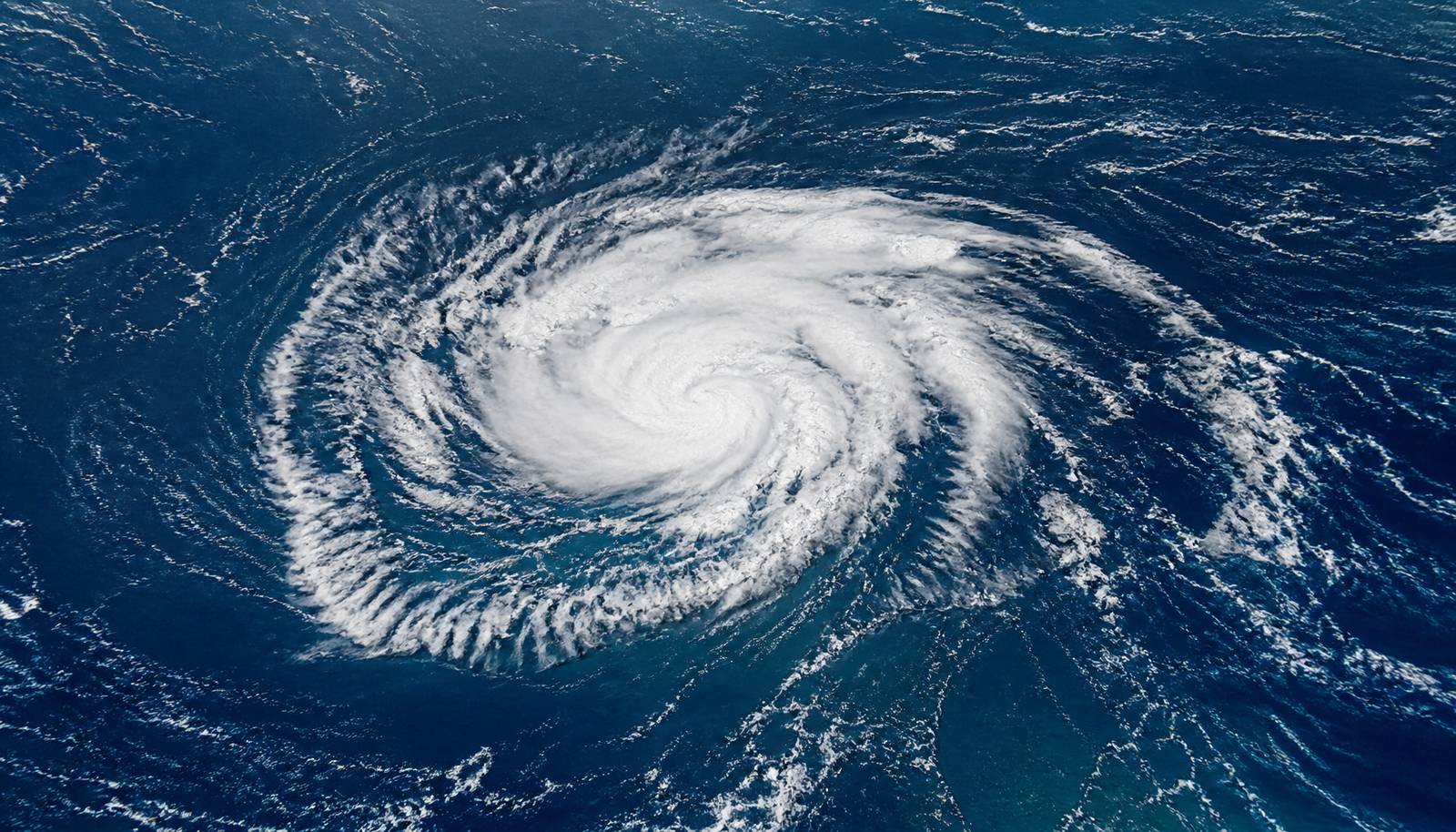
Tropical Storm Dolly formed over the central Atlantic on the morning of Thursday, August 27, 2026, and the National Hurricane Center’s first advisory on the storm shows nothing pointing toward Florida. Some outlets described Dolly as the fourth named storm of the 2026 Atlantic hurricane season, but the available reporting did not resolve that count.
Key facts
- Storm: Tropical Storm Dolly, first advisory issued Thursday, August 27, 2026
- Advisory: NHC Advisory Number 1, issued at 11:00 a.m. Atlantic Standard Time
- Location: 13.6°N, 38.7°W — about 1,555 miles east of the Leeward Islands
- Winds: Maximum sustained winds of 40 mph, higher gusts
- Movement: West at 24 mph
- Pressure: 1007 millibars — a fairly weak, loosely organized system
- Florida: No coastal watches or warnings in effect; only marine warnings issued
- Main risk: Flash flooding in parts of the Caribbean, not wind damage
Is Dolly heading for Florida?
No. As of this advisory, Dolly sits deep in the central Atlantic, thousands of miles from the U.S. coast. The only warnings NHC has issued for Dolly are marine warnings for ships and other mariners at sea — not watches or warnings for people on land. The National Weather Service’s active alerts for Florida list nothing related to Dolly, either. Nothing in the current advisory or forecast track puts Florida, or any part of the continental United States, in the storm’s path.
Forecasters expect Dolly’s strength to change little over the next 48 hours, then weaken. Weather.com described the 2026 Atlantic hurricane season’s start as the quietest in almost 40 years, with only three short-lived tropical storms and no hurricanes before Dolly. Dry air and wind shear tied to a strengthening El Niño are working against the storm, and NHC expects Dolly to degenerate into a tropical wave — essentially lose its rotation and become a loose band of moisture and thunderstorms — before it even reaches the Leeward Islands.
Where Dolly could actually cause problems
NHC forecasts heavy rain in the islands even as Dolly weakens, with flash flooding in areas of higher terrain the main concern, not wind damage. The available reporting did not confirm evacuation orders or emergency declarations tied to Dolly.
Timeline
- Aug 25, 2026: Entertainer Dolly Parton dies at age 80 — unrelated to the storm
- Aug 27, 2026: Tropical Storm Dolly forms in the central Atlantic; NHC issues Advisory Number 1 at 11:00 a.m. Atlantic Standard Time
- Aug 29-30: Rain from Dolly expected to reach the Leeward Islands
- Aug 30-31: Rain expected to reach the U.S. Virgin Islands, Puerto Rico, and Hispaniola
- Early September: Low-confidence, speculative chance of redevelopment near the Bahamas or Bermuda
Why “Tropical Storm Dolly” and “Florida” are trending together
Two things are likely driving the search interest. Florida residents routinely track every new system that forms during hurricane season, and Dolly is the newest one on the board. Separately, the name overlaps with the recent death of entertainer Dolly Parton, two days before the storm formed. The timing is a coincidence: Atlantic storm names come from a preset list maintained by the World Meteorological Organization, not chosen in response to news events, and at least one Florida news outlet has published reporting specifically explaining that the storm’s name has no connection to her death.
Dolly is also a fresh storm, not a return of a past one — hurricane names are reused every few years, so earlier storms named Dolly are unrelated.
What happens next
NHC will keep issuing updated advisories on Dolly as the storm moves west, and both its strength and its track could shift from what Advisory Number 1 shows; each new advisory is posted at nhc.noaa.gov as soon as it’s issued. Before Dolly formed, AccuWeather hurricane expert Alex DaSilva said any U.S. Southeast coast effects would not arrive until “the end of next week at the earliest,” and only if the disturbance survived dry air and wind shear near the Lesser Antilles. Separately, some forecast models cited by weather.com have flagged a low-confidence chance that whatever is left of Dolly could try to redevelop near the Bahamas or Bermuda in early September, though that is speculative and far from certain this early. For now, the agency’s own numbers put Florida well outside any area of concern, with the storm’s likeliest impact — heavy rain and a flash-flood risk — falling on parts of the Caribbean instead.