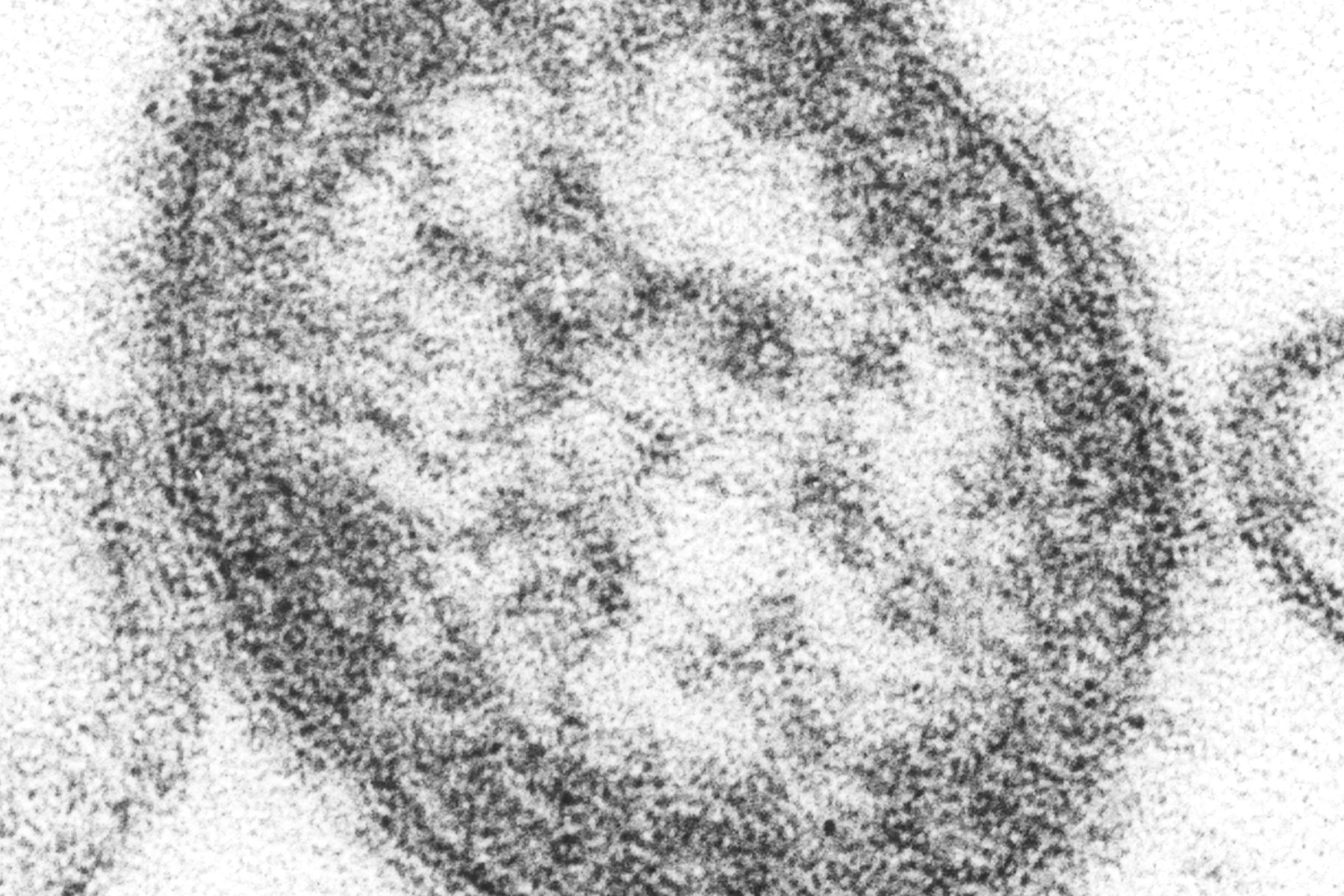
CDC data as reported by ABC News, CIDRAP and Stateline on Oct. 9 show that U.S. measles cases in 2026 passed 4,000, reaching 4,080 confirmed cases as of Oct. 8, with cases in 45 states plus Washington, D.C. and New York City. The CDC’s measles page was updated Friday, Oct. 9.
The national total is one number among several. Outlets also report state counts and a separate death count from Pennsylvania, and some of those figures differ from the CDC’s or from each other. Each figure below is tied to the outlet or agency that gave it.
What the CDC counted
According to the CDC page as reported on Oct. 9, 4,080 confirmed measles cases had been reported in the United States in 2026 as of Oct. 8. Of those, 4,062 were reported by 47 jurisdictions, and 18 were among international visitors. The 47 jurisdictions are 45 states, Washington, D.C. and New York City, which the CDC counts separately from New York State. Stateline, a nonprofit news service that covers state policy, reported that all but five states have reported at least one case.
The CDC counts cases that were notified to it as of noon on Thursday and updates its page weekly, so a case reported to the CDC after noon on Thursday, Oct. 8 is not in the 4,080.
Contagion Live, an infectious disease news site, reported on Oct. 2 that the previous CDC figure was 3,887 as of Oct. 1, so the count rose by 193 in a week. Stateline described the rise as 192 and CIDRAP, the Center for Infectious Disease Research and Policy at the University of Minnesota, as 194. CIDRAP described the latest increase as the ninth straight week of weekly increases.
How this year compares
The CDC page lists 2,289 confirmed cases for all of 2025 and 1,274 cases in 31 states for all of 2019. This year’s total of 4,080 is higher than both. CIDRAP said 2026 is on pace to double 2025’s total.
Stateline described 2026 as the first calendar year with more than 4,000 cases in decades. It also noted that the total for 1991 was 9,643.
Outbreaks
The CDC reports that 96% of this year’s confirmed cases (3,897 of 4,080) were linked to outbreaks, and it counts 42 outbreaks in 2026. CIDRAP reported that no new outbreaks were added in the latest week. For 2025, the CDC page lists 48 outbreaks, with 90% of cases (2,066 of 2,289) linked to outbreaks.
What the vaccine does
The measles, mumps and rubella (MMR) vaccine is the vaccine the CDC’s measles guidance centers on. The CDC says one dose is 93% effective against measles and two doses are 97% effective. It recommends two doses for children, the first at 12 to 15 months and the second at 4 to 6 years, and at least one documented dose for adults.
Kindergarten coverage has changed over time. ABC News reported MMR coverage of 92.4% for kindergartners in the 2025-26 school year, compared with 95.2% in 2019-20, a drop of 2.8 percentage points. Healio, a medical news outlet, reported on Aug. 18, citing CDC data, that more than 4% of kindergartners had an exemption from one or more vaccines, that 24 states had exemption rates above 5% and that 11 had rates above 7%. These are separate measures from this year’s case counts.
Who is sick
The CDC’s 2026 age and hospitalization breakdowns are not given in this report. On vaccination status, the figures below are as relayed by ABC News and CIDRAP.
- Vaccination status: ABC reported that about 95% of cases are in people who were unvaccinated or whose vaccination status is unknown, about 2% had one MMR dose and about 2% had two doses. CIDRAP also gave 95% unvaccinated or unknown.
Where cases are concentrated
Pennsylvania had the most cases of any state either outlet listed. Stateline, on Oct. 9, listed 1,105 Pennsylvania cases, up 142. CIDRAP listed 1,136, up 157 in seven days. The two counts differ by 31. By either figure, Pennsylvania accounts for more than a quarter of the U.S. total.
CIDRAP reported that 99% of Pennsylvania’s cases were in unvaccinated people, and that Lancaster County had 415 cases and Mifflin County 167. Stateline reported that all but four Pennsylvania cases were unvaccinated. Both outlets reported that Pennsylvania administered more than 56,000 MMR doses in September, which Stateline described as more than twice the state’s usual monthly volume. CIDRAP relayed a statement from the Pennsylvania Department of Health saying that the best protection against measles remains full vaccination.
Other state figures, each as reported by the outlet named:
- South Carolina: 670, and Utah: 535, both unchanged from the prior week (Stateline, Oct. 9).
- Ohio: 231, up 25 (CIDRAP).
- Kentucky: 94 confirmed cases as of Oct. 6 from the state’s Cabinet for Health and Family Services, per Spectrum News 1 Louisville (Oct. 6), concentrated in western Kentucky, with Christian and Trigg counties reporting the most. CIDRAP and Stateline gave 104, up 10, without a date. Spectrum News 1 Louisville reported that Kentucky health secretary Dr. Steven Stack said he is not confident in predicting when the outbreak may end.
- New York State: the outlets’ figures differ. Stateline gave 103, up 19; CIDRAP gave 102 as of Oct. 6. Stateline reported that the state had declared a health emergency.
- Iowa: 39, up 17 (Stateline, Oct. 9).
- Minnesota: 24 cases in 2026, according to the Minnesota Department of Health page dated Oct. 8.
Deaths: CDC and state counts differ
The CDC’s table of 2026 U.S. deaths lists 2 deaths as of Oct. 8, a number the CDC marks as subject to change, according to ABC News and CIDRAP. Pennsylvania has reported 5 measles-related deaths, according to ABC News, CIDRAP and Stateline. ABC said the CDC recognizes only 2 of them. Stateline reported that the 5 exceed the 3 deaths reported nationwide in 2025, and that an 18-year-old woman in Mifflin County died in September of brain swelling caused by the virus. Contagion Live, on Oct. 2, described the Lancaster County death as the fifth in the state and across the country this year, so reports differ on the national count.
What the CDC says about the illness
The CDC says symptoms appear 7 to 14 days after contact with the virus. It says a person is contagious from 4 days before to 4 days after the rash appears, and that the virus can stay in the air for up to 2 hours after an infected person has left.
What the CDC says to do
- Check your records. The CDC advises people who are unsure whether they have been vaccinated to first try to find their vaccination records.
- With no records and a possible exposure, the CDC advises talking with a doctor about getting the MMR vaccine. Given within 72 hours of exposure, it may offer some protection or milder illness. The CDC says an extra dose is safe for someone who is already immune.
- Infants 6 to 11 months old should get one dose before international travel, the CDC says, and local authorities may recommend the same in outbreak areas.
What is known and what is not
Known: the CDC reported 4,080 confirmed cases as of Oct. 8, higher than the 2025 and 2019 totals on its page, and the count rose by about 193 in a week (192 to 194 depending on the outlet). Pennsylvania had the most cases of any state either outlet listed, and the large majority of cases are in people who were unvaccinated or whose vaccination status is unknown.
Not known: whether the CDC’s death count will be updated to include Pennsylvania’s deaths, and when the current outbreaks will end. The CDC’s 2026 age and hospitalization breakdowns are not given in this report.
Measles elimination status
ABC News referred to the measles elimination status the U.S. has held since 2000. The Pan American Health Organization said on March 2 that its review of the U.S. and Mexico elimination status takes place in November 2026, at the regular annual meeting of the commission that reviews elimination status for PAHO. CIDRAP named that body as the Measles and Rubella Elimination Regional Monitoring and Re-Verification Commission. The March 2 statement gave no day within the month. The authors of a letter in The Lancet, as reported by CIDRAP, wrote that losing the status in 2026 appears highly likely; that is the authors’ opinion, not an official finding. ABC reported that experts say the U.S. is on track to lose it. No decision had been reported as of Oct. 10.