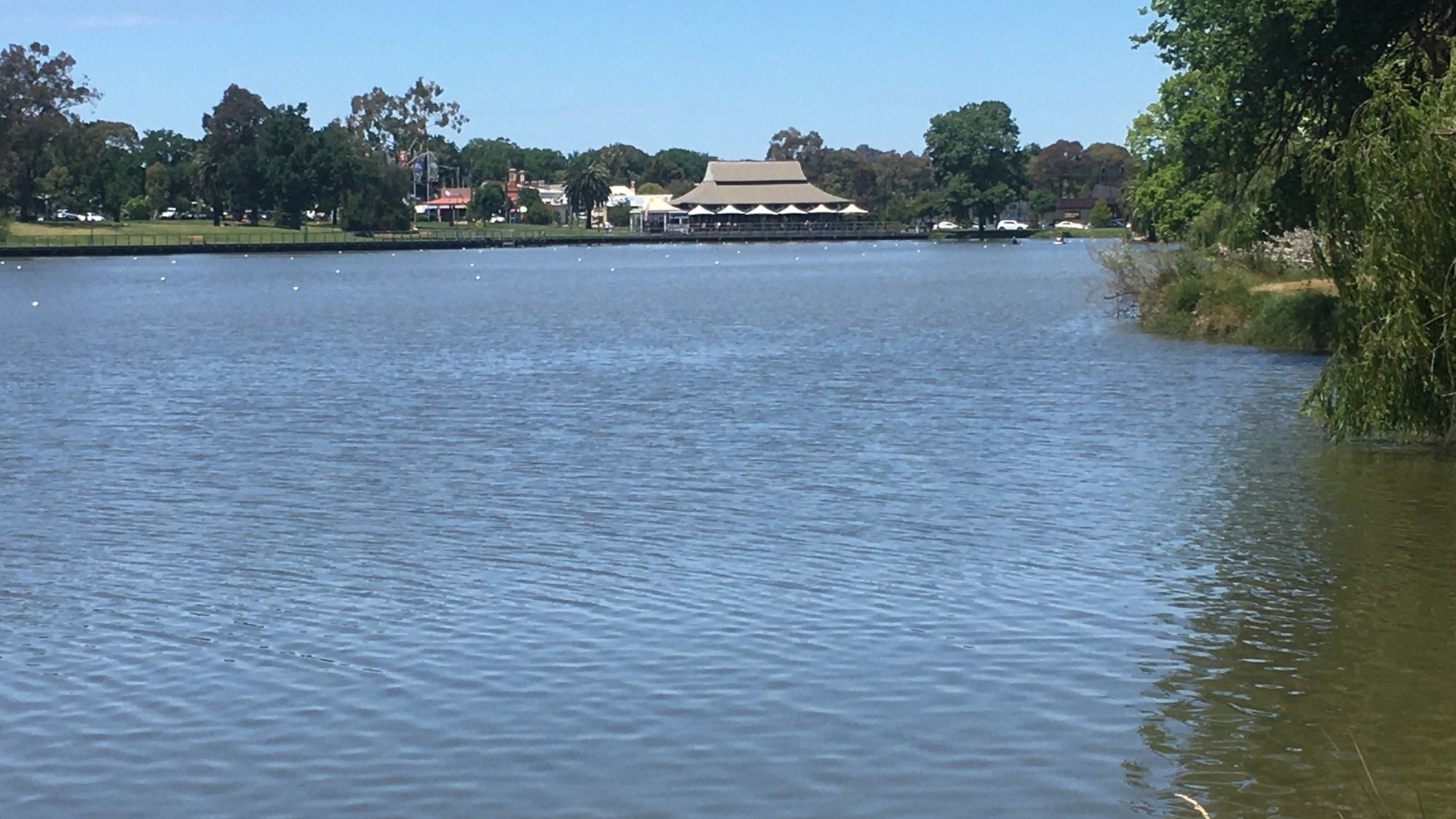
Wildlife rescuers have found at least 59 dead birds, most of them ibises, at Lake Weeroona in Bendigo, a city in the Australian state of Victoria. As of Friday, Oct. 2 (Australian time), the cause of the deaths has not been announced, according to ABC News and the Bendigo Advertiser.
What rescuers found
ABC News reported that rescuers answered a report of a sick bird near an island on the lake on Wednesday and have since found 59 dead birds.
The two outlets describe the toll differently. ABC says the 59 include “some water hen.” The Advertiser reports 58 confirmed ibis deaths “joined by a deceased moorhen.”
Avery Barnett-Dacey of Bendigo Wildlife Rescue told ABC that some sick birds were “unable to walk properly.” The Advertiser said the group had not confirmed an updated tally after putting the count at 59 on Friday morning. Barnett-Dacey told the paper, “I think it’s most likely that if we went down there today, that number will increase.”
What the tests show so far
ABC reported that the Department of Energy, Environment and Climate Action, known as DEECA, said preliminary testing on samples from the dead birds returned negative results for H5N1 bird flu, “but authorities are yet to rule it out.”
The City of Greater Bendigo said, according to the Advertiser, that initial tests on dead ibises had come back negative for bird flu. The council said in a Facebook post: “Further testing is being undertaken by Agriculture Victoria to determine the cause of illness.” ABC reported that DEECA expects results within days.
What is still unknown
DEECA’s chief biodiversity officer, James Todd, said the cause of the deaths remains unknown. “I think the best thing to do is probably not speculate about what it is,” he told ABC. He added that “[w]ithout knowing the causes, it’s not uncommon, for water birds particularly, to die in those sorts of numbers.” Todd also said that if H5N1 is ruled out, further testing could follow to determine the cause of death.
ABC’s headline says the deaths have raised bird flu fears. The Bendigo Advertiser’s lede says the event “appears not to have been caused by bird flu,” while DEECA says H5N1 has not been ruled out. The wildlife charity WIRES says on its H5 bird flu page, citing the Australian Government, that detections have been confirmed in Western Australia, South Australia, Queensland, Victoria, Tasmania and New South Wales. The page also says that before June 2026 there were no confirmed cases of H5 bird flu in mainland Australia. The page was last updated Aug. 14, 2026. ABC reported that no cases of H5 bird flu have been confirmed in the Bendigo region so far.
The sources do not say what killed the birds. The final count is not confirmed; a Bendigo Wildlife Rescue rescuer told the Advertiser she thinks it is most likely to rise.
Who handles the carcasses
ABC said a council spokesperson stated that the city was following Agriculture Victoria’s direction to leave the birds as they are on the island, which is “inaccessible to the public and not deemed a public space.”
Barnett-Dacey told ABC she was disappointed by the lack of support from government authorities: “We’re all just volunteers doing this off our own backs.” She told the Advertiser that the bodies “need to be removed and we are not equipped to dispose of the bodies at present.” Todd said DEECA officers based in Bendigo had attended the site and would keep working with the council.
What the public is advised to do
ABC reported that anyone who sees sick or dead birds or wildlife is urged to report it to the Agriculture Victoria website or call the Emergency Animal Disease Hotline on 1800 675 888. The Advertiser said Bendigo Wildlife Rescue urged people to take precautions if they see a dead bird, “which include not touching them.”