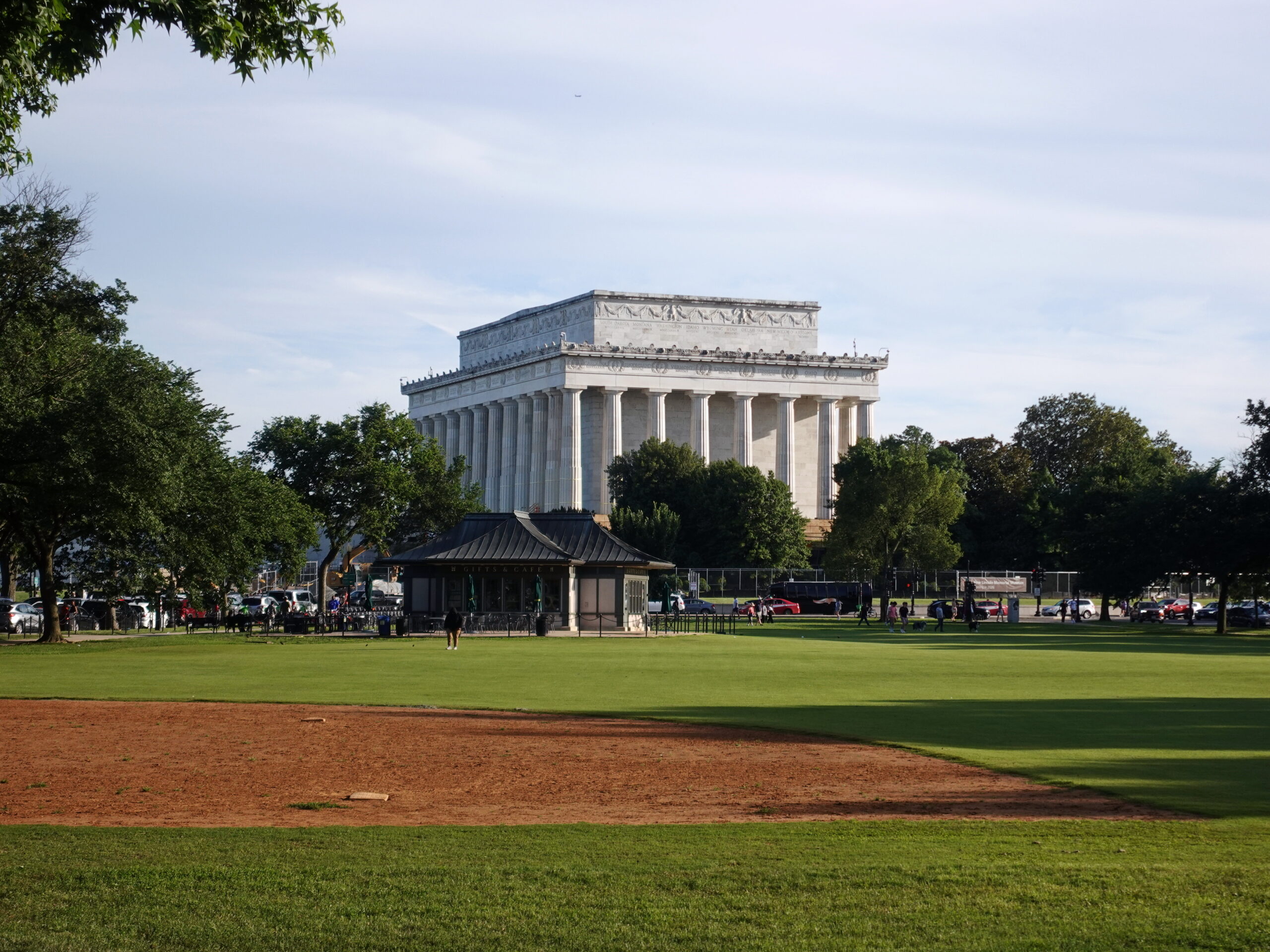
Sixty-three years to the day after Martin Luther King Jr. stood on the steps of the Lincoln Memorial and delivered his “I Have a Dream” speech, thousands of people gathered at the same site Friday, Aug. 28, 2026, for a new, separately organized rally built around a different fight: voting rights.
Key facts
- Event: “March on Washington 2026: Defend the Vote” at the Lincoln Memorial, Friday, Aug. 28, 2026
- Schedule: 9 a.m. opening remarks, 11 a.m. keynote speeches, 1 p.m. march down the National Mall (all times ET)
- Organizers: National Action Network and the Drum Major Institute, co-chaired by Rev. Al Sharpton, Martin Luther King III and Arndrea Waters King
- Coalition: roughly 90 partner organizations, including the NAACP and the Human Rights Campaign
- Why now: organizers cite the Supreme Court’s 6-3 ruling in Louisiana v. Callais (April 29, 2026), which organizers say narrowed Section 2 of the Voting Rights Act of 1965
- Confirmed speakers: Sen. Bernie Sanders (I-VT) and Rep. Alexandria Ocasio-Cortez, plus co-chairs Sharpton, King III and Waters King
Rally details
“March on Washington 2026: Defend the Vote” ran from 9 a.m. to 1 p.m. ET at the Lincoln Memorial, opening with remarks at 9 a.m., moving into keynote speeches around 11 a.m., and ending with a march down the National Mall around 1 p.m. The event was organized by Rev. Al Sharpton’s National Action Network and the King family’s Drum Major Institute, and co-chaired by Sharpton, Martin Luther King III and Arndrea Waters King. Organizers say the coalition backing the rally runs to roughly 90 partner organizations, including the NAACP and the Human Rights Campaign.
Why the rally was held now
Organizers tied the rally directly to a U.S. Supreme Court ruling handed down April 29, 2026. In Louisiana v. Callais, the court ruled 6-3 to strike down a Black-majority congressional district in Louisiana. Organizers say the ruling narrows Section 2 of the Voting Rights Act of 1965, while critics dispute that characterization. Organizers say the ruling changes the standard for racial-gerrymandering challenges by requiring plaintiffs to show intentional discrimination; critics dispute that interpretation. In her dissent, Justice Elena Kagan wrote that the decision left Section 2 “all but a dead letter.” Organizers describe the ruling as a serious setback for voting protections, and say it could let other Southern states redraw congressional maps in ways that reduce minority representation, not just Louisiana’s own district. The rally’s stated theme, “Defend the Vote,” combines concerns about voting-rights protections and new state voting-law changes — a May 2026 Brennan Center for Justice roundup said nine states had enacted a dozen new voting rules — with calls for economic dignity, affordability and civic engagement ahead of the November 2026 midterm elections.
Pushback on the rally’s framing
Not everyone reads the ruling the same way. Organizers describe it as a “nonpartisan, unified mobilization,” though sources disagree about how to characterize the event. According to a report from the Epoch Times, Ken Cuccinelli of the Heritage Foundation and Marly Hornik of RealAmerica.vote have pushed back on the march’s framing, arguing the Callais decision enforces equal voting-rights protection rather than restricting access. The Epoch Times report also attributes to Cuccinelli the view that the organizers’ opposition to voter-ID requirements is not something the march states directly. No other outlet in the available reporting corroborates these characterizations.
A related fight over mail-in ballots
The rally also landed a day after a related legal fight played out in court. A federal judge on Thursday night rejected the Trump administration’s plan to have the U.S. Postal Service deliver only mail-in ballots from voters on an administration-approved eligibility list; the administration is expected to appeal.
Who spoke
Speakers included Sen. Bernie Sanders (I-VT) and Rep. Alexandria Ocasio-Cortez, confirmed by multiple outlets, alongside co-chairs Sharpton, King III and Waters King. NBC News additionally named Rep. Yvette Clarke, a fellow New York Democrat, among the speakers, while Fox 5 DC reported a different mix instead — Virginia Gov. Abigail Spanberger, unnamed members of Congress and a Human Rights Campaign spokesperson — without mentioning Sanders or Ocasio-Cortez. No outlet reported a complete, final speaker list, and none gave a precise attendance figure; the crowd was described only as being in the thousands. The Epoch Times also attributed comments about the stakes to Sharpton and King III, but their exact wording was not independently verified in the available reporting.
White House response
No direct White House statement about the rally was found in the available reporting. President Trump’s public schedule for the day placed him in Houston, at Johnson Space Center, awarding Congressional Space Medals of Honor to Artemis II astronauts.
Other anniversary events
Smaller commemorations of the 1963 anniversary were reported outside Washington as well. York, Pennsylvania, held a street dedication and community walk honoring the “I Have a Dream” speech, and Marshall, Texas, held an open-mic community event marking the same anniversary.
The original 1963 march
The original march, on Aug. 28, 1963, drew an estimated 250,000 people to the Lincoln Memorial for the March on Washington for Jobs and Freedom, where King delivered the speech that gave the day its name.
Sources and further reading
- Today in History – August 28
- Congressional Redistricting: High Court Narrows Voting Rights Act in Louisiana v. Callais
- Louisiana v. Callais, 24-109 (opinion, 04/29/2026)
- March on Washington for Jobs and Freedom
- NAN and the King Family Announce March on Washington 2026: Defend the Vote (press release)
- NAN and the King Family Announce March on Washington 2026: Defend the Vote
- March on Washington 2026 | Defend the Vote (official event site)