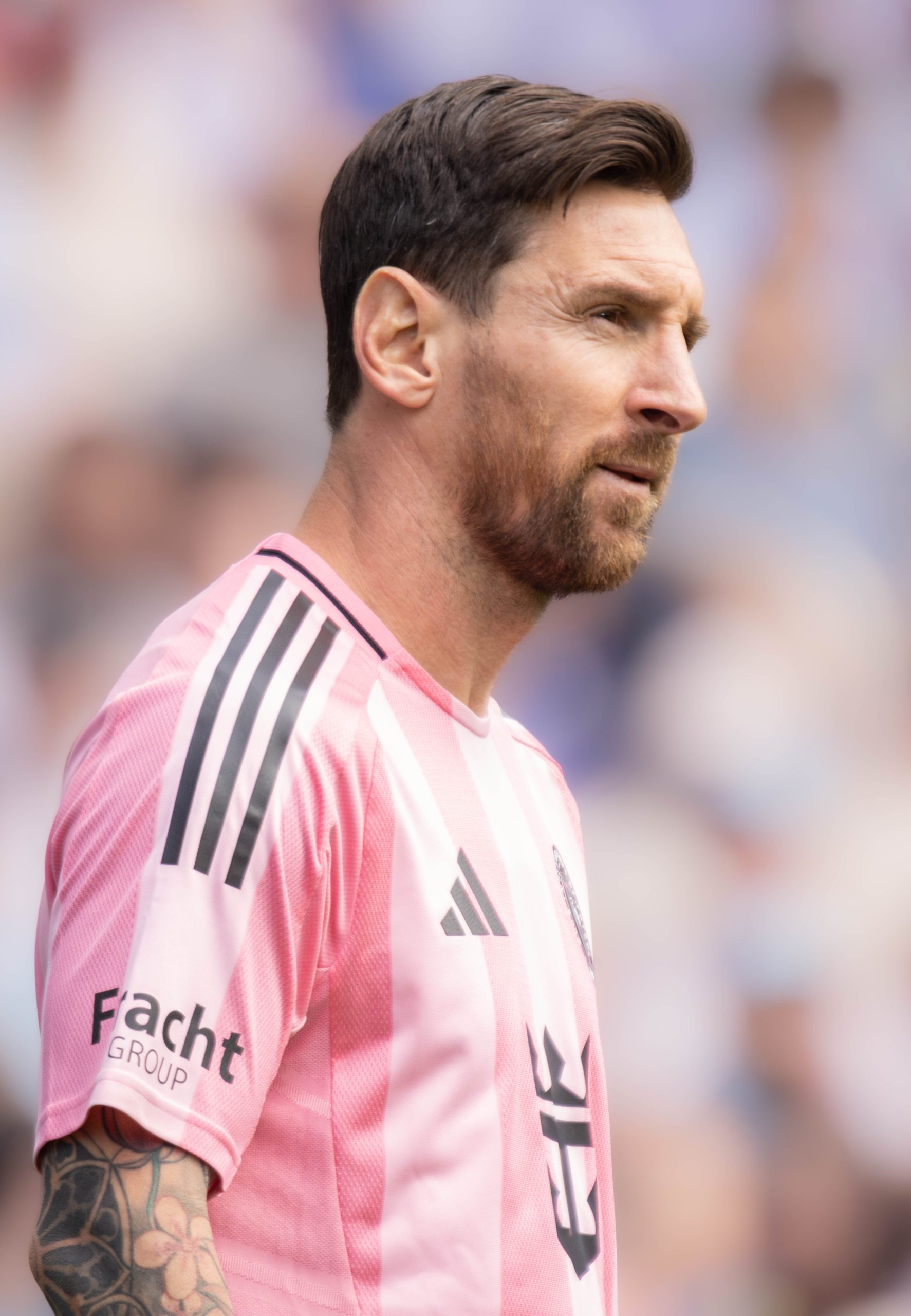
Lionel Messi announced Monday, August 31, 2026, that he is retiring from Argentina’s national soccer team, closing an international career spanning more than two decades in which he became the country’s all-time leading scorer and most-capped player. He posted a handwritten note on Instagram announcing the retirement. Messi finishes with 125 goals in 207 appearances for Argentina, numbers no other player in the national team’s history has matched.
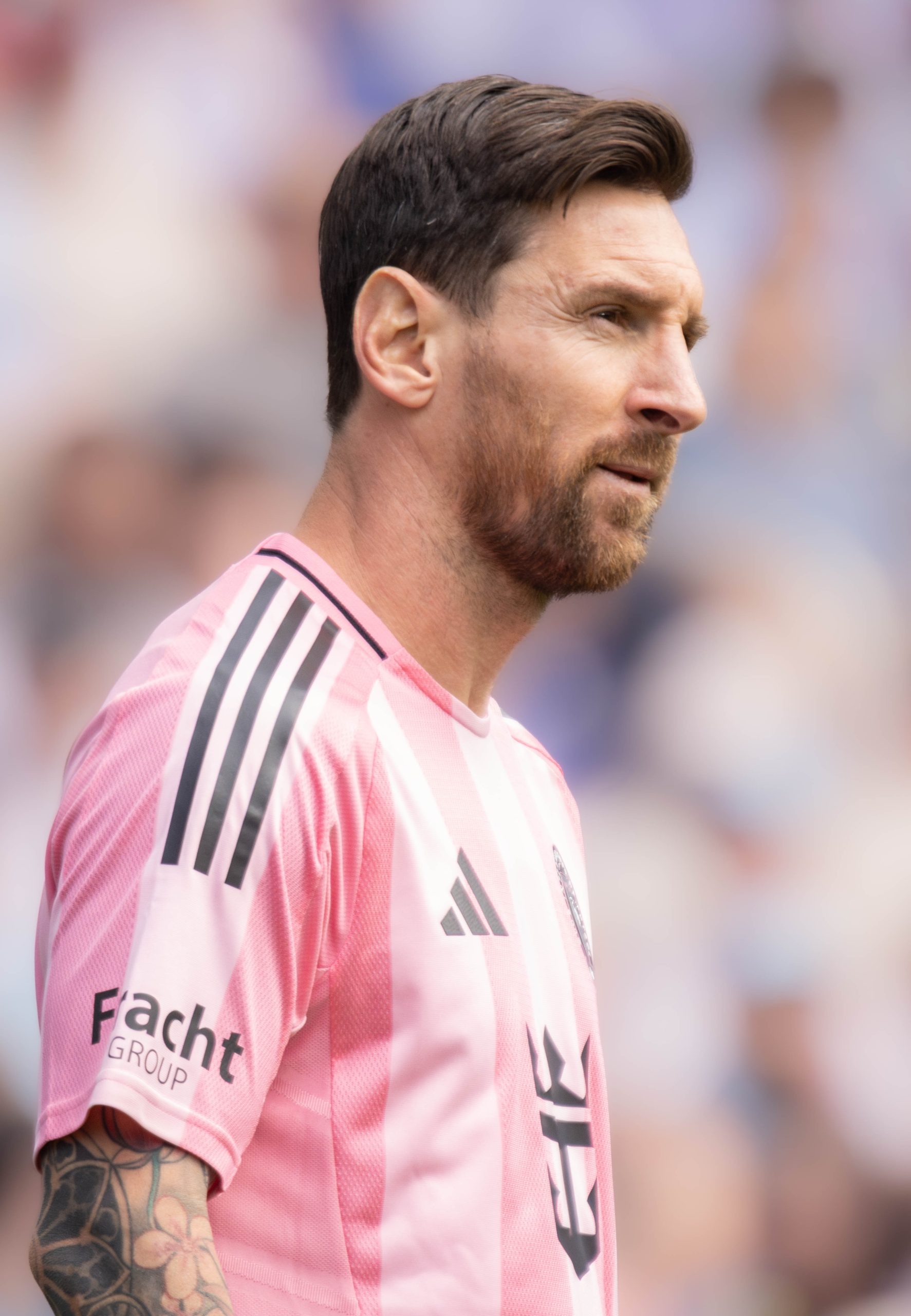
The announcement comes about six weeks after Argentina lost the 2026 World Cup final to Spain, 1-0 in extra time, on July 19 at MetLife Stadium in East Rutherford, New Jersey. The retirement covers only international football. Messi, 39, remains under contract with Inter Miami CF in Major League Soccer through 2028 and is not stepping away from his club career.
Key facts
- Who: Lionel Messi, 39, Argentina’s captain and record scorer
- What: Retiring from international football; continues with Inter Miami CF through 2028
- Announced: August 31, 2026, in an Instagram statement
- Career totals: 125 goals in 207 appearances — Argentina’s all-time leader in both
- Titles: 2022 World Cup, two Copa América titles (2021, 2024), eight Ballon d’Or awards
- Context: Comes six weeks after Argentina’s 1-0 extra-time loss to Spain in the World Cup final on July 19
Timeline
- 2016 — Messi retires from Argentina after a Copa América Centenario final loss to Chile, then returns about two months later.
- July 19, 2026 — Argentina loses the World Cup final to Spain, 1-0 in extra time.
- July 21, 2026 — Messi begins writing his retirement statement, two days after the final.
- August 8, 2026 — Messi’s father, Jorge Messi, dies at 68 in Rosario, Argentina.
- August 12, 2026 — Messi posts a tribute letter to his father on Instagram.
- August 31, 2026 — Messi announces his retirement from Argentina’s national team.
Why Messi says he’s stepping away
In his statement, Messi said he had made up his mind after the World Cup final, had given everything he had, felt he had nothing left to give, believed younger players deserved their chance and understood that the time had come, while acknowledging that the decision still hurt deeply.
Messi said he began writing that message on July 21, 2026, two days after the final. One report said he delayed making it public because of his father’s declining health. His father, Jorge Messi, who was also his longtime agent, died August 8 at age 68 in Rosario, Argentina, after an illness; no official cause has been disclosed out of respect for the family’s privacy. Messi published a tribute letter to his father on Instagram on August 12, then released the retirement statement itself on August 31. In it, he said his father’s death made him even more convinced of a decision he had already reached weeks earlier.
A World Cup final that ended in extra time
Argentina’s run at the 2026 World Cup ended with a 1-0 loss to Spain in extra time. Ferran Torres scored the winning goal in the 106th minute. Argentina played most of the match with 10 men after an earlier red card, was outshot 20-0, and goalkeeper Emiliano Martinez made 11 saves, a World Cup final record. The match came before Messi announced his retirement from Argentina’s national team on August 31.
The numbers he leaves behind
- 125 goals and 207 caps — Argentina’s career leader in both categories
- 2022 World Cup title, won in Qatar, plus two Copa América championships, in 2021 and 2024
- Six World Cups, 2006 through 2026: 34 appearances, directly involved in 33 goals (21 scored, 12 assisted) — more goal contributions than any other player in World Cup history since 1966
- Eight Ballon d’Or trophies — the record for most Ballon d’Or wins
Not the first goodbye
This is not the first time Messi has stepped away from the national team. In 2016, he announced his retirement after Argentina lost the Copa América Centenario final to Chile on penalties, then returned to the squad about two months later.
Reaction
The Argentine Football Association thanked Messi in social media posts after the announcement, writing in part, “Thank you for everything, Leo… The legend is yours, forever.” FIFA president Gianni Infantino and Argentina’s president, Javier Milei, also posted tributes following the announcement.