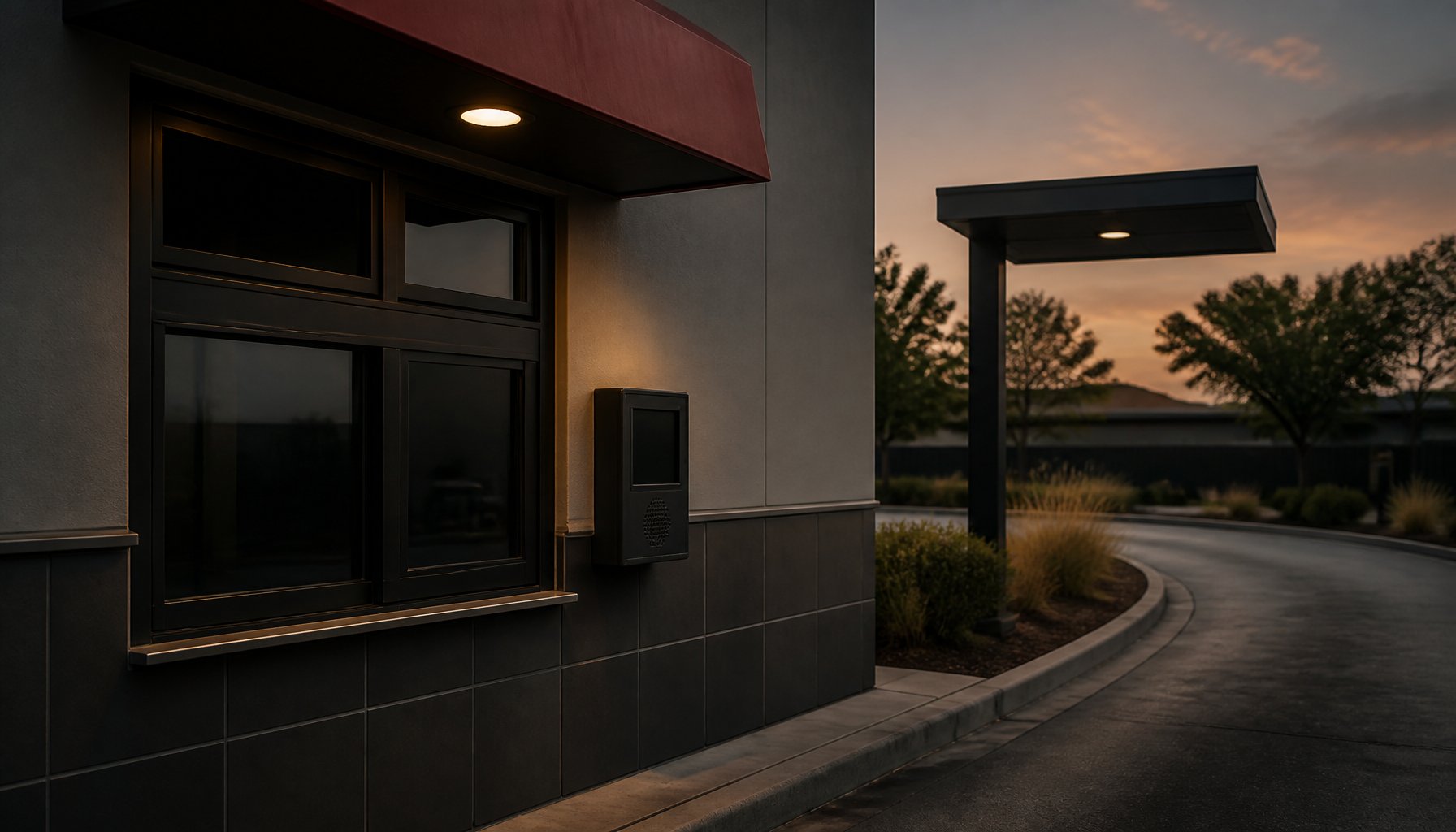
Salad and Go, the Arizona-born chain that turned the drive-thru lane into a salad line, is going out of business entirely. The company announced Tuesday, Aug. 4, 2026, that it has filed for Chapter 11 bankruptcy and that every one of its 70 remaining drive-thrus in Arizona and Nevada is closing permanently. Wednesday, Aug. 5, was the final day of guest service, and the windows shut for good that day. The buildings will not stay dark: court filings show the company behind Dutch Bros Coffee has agreed to buy most of the leases and turn them into coffee drive-thrus.
This is the whole chain, not another round of trimming. Of the 70 locations, 63 are in Arizona and seven are in the Las Vegas Valley.
Key facts
- Salad and Go announced Tuesday, Aug. 4, 2026, that it has filed for Chapter 11 bankruptcy in federal bankruptcy court in Houston.
- All 70 remaining drive-thrus — 63 in Arizona, seven in the Las Vegas Valley — are closing for good.
- Wednesday, Aug. 5, was the final day of guest service; the drive-thrus closed that day.
- Boersma Bros. LLC, the Oregon holding company behind Dutch Bros Coffee, has agreed to buy 65 Salad and Go leases for $105 million in cash — 51 in Arizona and Nevada, 14 in Texas and Oklahoma — and has already put down a $10 million deposit. A federal bankruptcy judge in Houston still has to approve it.
- The sale covers leases, furniture, fixtures and equipment — not the Salad and Go brand or its recipes. No one has announced a plan to bring the salad chain back.
What the company said
Chapter 11 is the chapter companies usually use to reorganize and keep operating, but that is not what it means here. As Salad and Go describes it, the court-supervised process is a way to get value out of its assets and settle its obligations in an orderly manner while the business winds down.
In its statement, the company said it was unable to overcome “sustained pressure on consumer demand, past strategic growth challenges and rising costs” — the kind of phrasing corporate announcements reach for, and as close to an explanation as the statement gets. Chief executive Mike Tattersfield put the ending in his own words: “This is a painful day for everyone who built, worked for and loved Salad and Go.”
The statement also brought up a Cyclospora outbreak in July — a parasite illness traced to shredded iceberg lettuce recalled by the supplier Taylor Farms de Mexico. Salad and Go was not implicated in that outbreak, and the company said it did not use shredded iceberg lettuce or buy from that supplier. Its point was about the fallout: in the company’s telling, the scare weakened confidence across the whole restaurant industry and became one more weight on a business already struggling — not the reason the business is shutting down.
A fast rise, then a retreat that took less than a year
Salad and Go opened in the Phoenix area in 2013, built around a simple idea: fresh salads, sold cheap, through a drive-thru window. At its peak the chain ran more than 140 locations across Arizona, Nevada, Texas and Oklahoma.
Founders Tony and Roushan Christofellis sold the company to a private-equity investor in 2021 and stepped down, reportedly amid disagreements over growth strategy; they have had no role in running the chain since. In a statement, they said that watching “the company announce the closing of its remaining locations is heartbreaking.” They now run a separate Arizona drive-thru restaurant business, which they say is not affected by the closure.
The chain had already been shrinking. Texas and Oklahoma went first — 41 stores in September 2025, then the last 32 in January 2026, when the company also gave up a commissary, the central kitchen that prepares food for a chain’s stores, and moved its headquarters back to Arizona. What remained was home ground: the Arizona and Nevada drive-thrus, the 70 stores now closing.
What happens to the buildings
The drive-thrus themselves have a buyer. Court filings reported on August 5 show that Boersma Bros. LLC, an Oregon holding company connected to the founders of Dutch Bros Coffee, agreed to buy 65 Salad and Go leases for $105 million in cash — 51 in Arizona and Nevada and 14 in Texas and Oklahoma, where the chain had already pulled out. The agreement was signed before the Chapter 11 filing, a $10 million deposit has been paid, and the balance is due at closing.
What is being sold is the real estate footprint, not the business: leases, furniture, fixtures and equipment, but not the Salad and Go brand or its recipes. Dutch Bros says it plans to convert the sites to coffee, and the drive-thru-only layout is close enough to its own that little rebuilding is needed. The sale still has to be approved by the federal bankruptcy court in Houston.
The questions still hanging
The announcement did not say how many employees are losing their jobs or what will happen to them.
Customers have also been asking publicly about gift cards and rewards balances, and the company has not announced a redemption or refund policy for them either.
What is not in doubt is the ending itself: after Wednesday’s final day of guest service, a chain that spent 13 years selling salads through car windows has no windows left open.
Frequently asked questions
Is this a reorganization, or is Salad and Go shutting down completely?
It’s a full shutdown. The company filed Chapter 11, but by its own description that filing is meant to wind the business down in an orderly way, not to keep it running. The buildings have a future the brand does not: Boersma Bros. LLC, the Oregon company behind Dutch Bros Coffee, has agreed to buy 65 of the leases for $105 million and run them as coffee drive-thrus, subject to a bankruptcy judge’s approval. The Salad and Go brand and recipes are not part of that sale, and no one has announced a plan to bring the salad chain back.
Did the Cyclospora outbreak cause the bankruptcy?
No. Salad and Go was not implicated in that outbreak, and the company said it did not use shredded iceberg lettuce or buy from the supplier behind the recall. The company frames the outbreak as one more pressure on an already struggling industry, not the reason it is shutting down.