The FBI and the U.S. Postal Inspection Service said Thursday, Oct. 15, that they are investigating suspicious letters, some containing an unknown substance, sent to election offices in many states and to Senate offices, less than three weeks before Election Day. As of late Thursday, Oct. 15, neither agency had named a sender. Wisconsin’s election commission said tests showed its white powder was not hazardous, and Louisiana’s secretary of state said tests found “no evidence of harmful substances.” NBC reported that three unnamed law-enforcement sources described preliminary testing of the white powder as showing it not hazardous, with more testing continuing in law-enforcement laboratories. Other offices have given no results. Reports through late Thursday evening, Oct. 15, are the basis here; officials may update the details.
What the FBI said
According to the statement as printed by The Associated Press and NBC News, the FBI said it and the Postal Inspection Service are investigating “a series of suspicious mailings sent to various addresses nationwide, including Secretary of State offices and their related election offices.”
The statement continued: “Some of the letters contained an unknown substance and we are working closely with our law enforcement partners to respond to each incident.” It added: “We are also working with our partners to identify the individual or individuals responsible for the letters.”
Brendan Donahue, a Postal Inspection Service official, told reporters Thursday, the AP reported, that “any threat or attack on election officials is unacceptable” and that “we are also working with our partners on identifying the individual or individuals responsible for the letters.” CBS News reported that Donahue declined to give a number of incidents or to discuss any connections between them.
As of late Thursday, Oct. 15, neither the FBI nor the Postal Inspection Service had named a sender; the FBI said it is working to identify the individual or individuals responsible. No arrests, suspects or motive had been reported in the coverage reviewed.
What arrived where
Each office described its own case, and the details differ.
- Oklahoma. The State Election Board said on its own page that on Tuesday, Oct. 13, it received an envelope with suspicious white powder that morning. The Highway Patrol was called and the office was evacuated. Election Board Secretary Paul Ziriax said no staff were harmed and that “today’s incident does not impact our ability to conduct elections.” The board said the matter is under investigation.
- Louisiana. Secretary of State Nancy Landry wrote in a Facebook post, quoted by CBS, that “Law enforcement responded to today’s incident and conducted tests that found no evidence of harmful substances.” Landry said no one was injured. Landry said Tuesday that an employee opened a package, CBS reported.
- Wisconsin. The Wisconsin Elections Commission said it received “a suspicious mail piece” containing “an unidentified powdery substance,” and that “after a thorough examination, the mail piece was deemed not dangerous,” according to Votebeat. CBS reported the piece arrived Wednesday. Elections administrator Meagan Wolfe said “this incident will not shake us,” Votebeat reported, and that the incident would have no impact on the general election.
- Arizona. Votebeat reported that Secretary of State Adrian Fontes said his office received a letter filled with white powder Thursday afternoon, which led to the evacuation of his office as hazmat workers cleared the area. Fontes said: “This is a sobering moment that highlights the reality of election administration in this country today,” and “We will not be scared out of doing our jobs on behalf of the voters of Arizona.”
- Delaware. CBS, quoting a post from the Department of Elections, reported the department “received and opened a letter which was discovered to contain a white powdery substance” on Thursday. Staff followed security and Postal Service instructions.
- Nebraska. Votebeat reported that staff did not open an envelope and turned it over to the FBI. Secretary of State Bob Evnen said it was the second suspicious envelope his office had received, the first coming in 2024.
- Intercepted letters. Votebeat reported that Ohio’s Frank LaRose, New Hampshire’s David Scanlan and Washington’s office, led by Steve Hobbs, said law enforcement intercepted similar letters bound for them. The AP reported that Ohio’s Secretary of State said the Postal Service intercepted a package containing white powder. The Pennsylvania Department of State said the Postal Service blocked delivery of a suspicious letter on Wednesday, according to Votebeat. The FBI told Connecticut’s secretary of state that a letter was intercepted, Votebeat reported. CBS listed Maryland and Mississippi as places where letters were intercepted before arrival.
What reported tests say so far
Results are reported office by office, and only some offices have given one. They cover only the letters that were tested.
The Wisconsin commission said the piece was “deemed not dangerous”; the AP reported the commission said tests showed the white powder was not hazardous, and CBS reported the commission said “field testing confirmed no hazardous material was detected.” Louisiana’s Landry said tests found “no evidence of harmful substances.”
NBC reported that three law-enforcement sources, who were not named, called their results preliminary and said testing of the white powder showed the contents are not hazardous, with more testing continuing in law-enforcement laboratories.
Oklahoma’s board gave no result. Oklahoma, Arizona, Delaware and the senators’ offices have not given a result of their own in the reports available as of late Thursday.
Why the numbers differ
Reports give different counts, and none is a confirmed total. The outlets do not say why their figures differ.
- NBC reported that two law-enforcement sources confirmed “dozens of letters,” and that election offices in at least 15 states said they were mailed suspicious packages: Arizona, Delaware, Georgia, Idaho, Kansas, Louisiana, Nebraska, New Hampshire, Ohio, Oklahoma, Pennsylvania, South Dakota, Tennessee, Washington and Wisconsin.
- Votebeat reported that three election officials briefed on the investigation were told more than 100 letters were sent to people and groups across the country. Votebeat corrected an earlier headline that had said more than 100 suspicious letters were sent specifically to election officials; it is unknown how many went to election officials, as opposed to politicians or others.
- CBS reported that at least eight states’ top election officials had reported suspicious packages in recent days.
- The AP reported that numerous states, from Idaho to Florida, said their election offices either received letters or had them intercepted by the Postal Service.
The Senate side
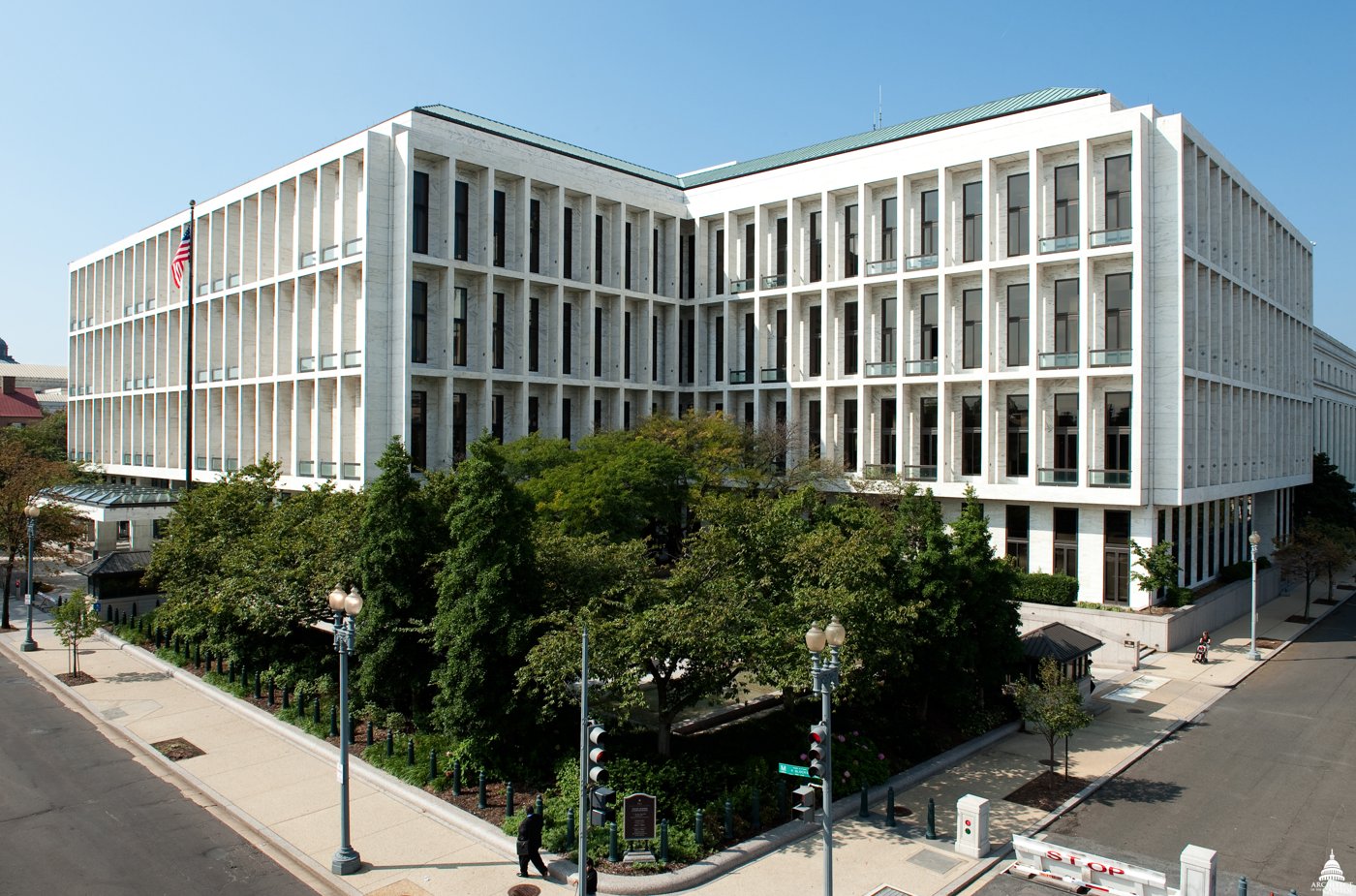
The AP reported that the investigation was first disclosed in a message from the Senate Sergeant at Arms to Senate offices that it obtained Thursday; CBS said it also obtained the message, and NBC quoted it from two people who received it. The message said law enforcement was working to intercept any additional letters but that “it is possible that some letters may reach their destinations,” as quoted by the AP and NBC.
The AP reported that in Congress the threat appeared limited to the Senate, though the House was monitoring, according to an unnamed person. NBC reported, citing a notice that two congressional offices shared with it, that no House members had been identified as intended recipients.
Offices described their cases this way:
- Sen. Chuck Schumer. A spokesperson said a letter with a suspicious substance addressed to him was intercepted, NBC reported.
- Sen. Alex Padilla. NBC reported the FBI notified his office that the Postal Service had intercepted a letter with a suspicious substance. The AP said a suspicious package was intercepted before it reached the office.
- Sen. Chris Murphy. Spokesperson Josh Sorbe said a letter with a suspicious substance was sent to the Hartford office and that Murphy and staff “were not in immediate danger,” NBC reported.
- Sen. Kirsten Gillibrand. The AP reported that postal inspectors intercepted a suspicious piece of mail addressed to her New York City office. CBS said an aide reported a letter meant for her was found at her New York office, where postal inspectors were present.
- Sen. Lisa Blunt Rochester. The AP reported her office said the letter with a “suspicious substance” was intercepted by Capitol Police. CBS reported a spokesperson said a state office received a letter with white powder that was not opened in the office. The two outlets’ accounts differ.
- Sen. Chris Coons. A spokesperson said his office was sent a suspicious letter and was working with law enforcement, CBS reported.
CBS reported that at least six Democratic Senate offices were sent letters, most of which were intercepted before delivery. The FBI and Postal Inspection Service had not said whether the letters are connected beyond the FBI’s description of “a series.”
What is not known
- Who sent the letters, and why.
- How many letters were sent, and how many went to election officials rather than to others.
- What the substance was in most cases. Test results have been reported for only a few.
- Whether these letters are linked to earlier mailings. The FBI and Postal Inspection Service had not said.
- Whether any ballots or voting were affected. The FBI and Postal Inspection Service had not said they were. Officials in Oklahoma and Wisconsin said elections would not be affected.
Earlier mailings
The AP noted that the news is reminiscent of 2023, when election offices in six states received mailings with white powder, some with threats and traces of fentanyl. Some offices then stocked naloxone, and in some cases work around local elections was disrupted.
In September 2024, the FBI and the Postal Inspection Service investigated packages sent to election officials in more than 15 states, NHPR and the AP reported. The FBI said some contained “an unknown substance.” The AP reported at the time that there were no immediate reports of injuries or hazardous material, and Oklahoma officials said the material sent there was flour. The packages forced evacuations in Iowa, Oklahoma and Wyoming, and employees in Topeka, Kansas, were exposed to a suspicious substance and monitored, though a field test found no hazardous materials, a Topeka Fire Department spokesperson said, NHPR reported. A package in Colorado listed a sender named “U.S. Traitor Elimination Army,” as the Colorado office described it; the office said early indications suggested the powder was harmless. It was the second time in a year that suspicious packages went to election officials in several states.
If you receive a suspicious package
The Postal Inspection Service publishes guidance for anyone who suspects a package is dangerous. It says to isolate the package, keep a safe distance and wash your hands. Then immediately call Postal Inspectors at 1-877-876-2455 and say “emergency.” If medical attention is needed, contact local authorities.
The page lists warning signs including no return address, excessive tape and postage, and misspelled or badly written words.
What comes next
Laboratories are continuing to test the material in some cases, NBC reported. The FBI and Postal Inspection Service have said they are working to identify those responsible, and the Senate Sergeant at Arms warned that more letters could still arrive. The National Association of Secretaries of State and the National Association of State Election Directors issued a joint statement condemning threats against election staff, the AP reported.
Officials may revise the counts, test results and office accounts as the investigation continues.