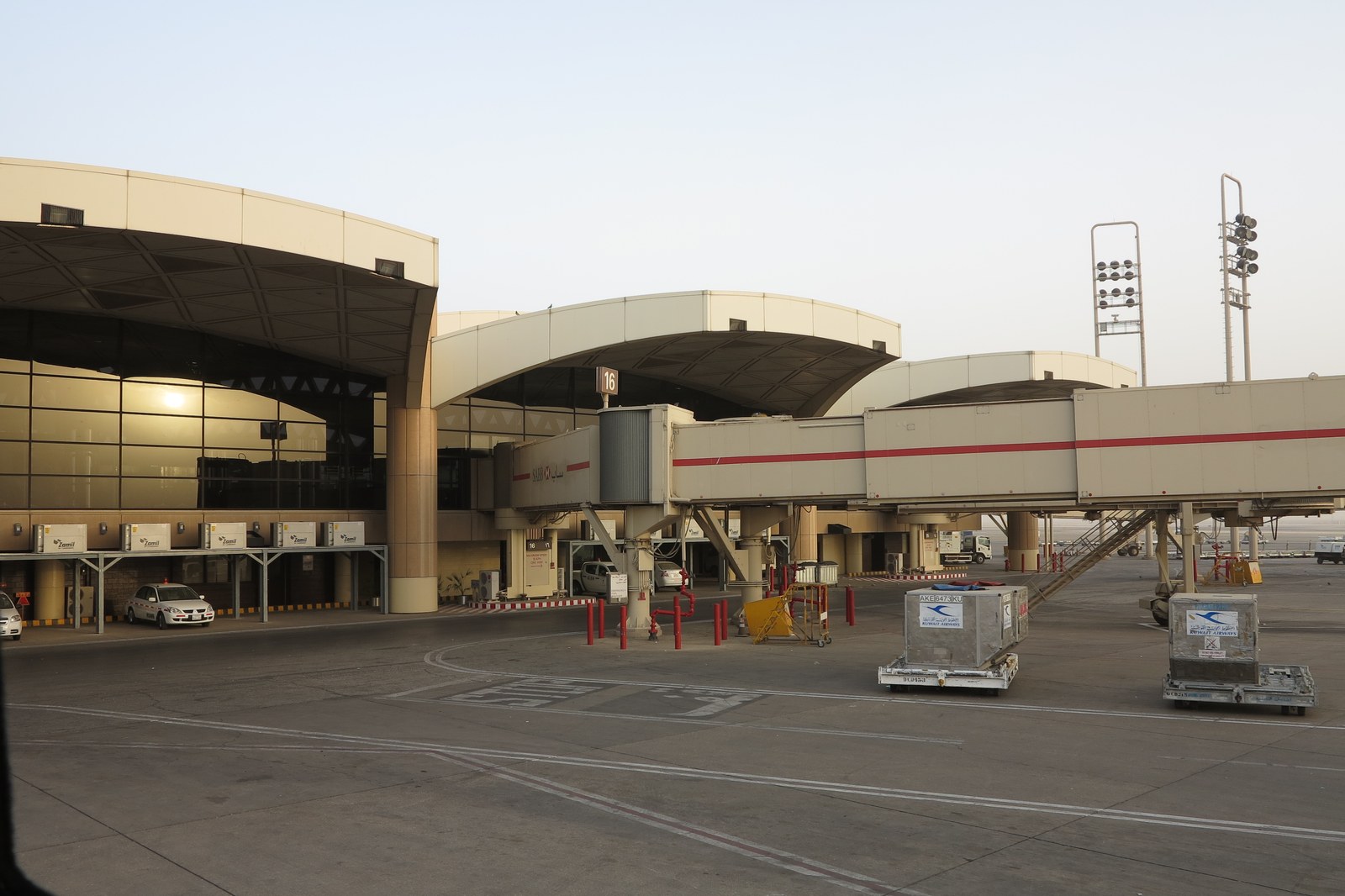
A fuel tank burned near King Khalid International Airport in Riyadh on Saturday morning, Sept. 19, 2026, with residents reporting smoke and flames after an overnight air-raid alert. The Saudi-led coalition said later in the day that its defenses had intercepted and destroyed a Houthi ballistic missile fired toward the Saudi capital at dawn. The Houthis, for their part, said they carried out two separate military operations that day. What no source — coalition, Houthi, or independent — has done is connect the missile the coalition says it intercepted to the fire.
What is confirmed
Firefighters extinguished a blaze at a fuel storage tank at a depot near the airport, according to France 24, NBC News and Al Jazeera. France 24 identified the tank as bearing the Aramco logo. Residents reported black smoke, flames and the sound of explosions. France 24 reported the fire and the coalition’s interception claim as separate, concurrent facts — not as cause and effect. On casualties, the exact wording matters: NBC News reported “There were no reports of casualties or damage,” and The Media Line reported “No casualties or major damage were reported.” Those are statements about what has been reported, not a flat assertion that nobody was hurt.
The coalition’s account
Speaking for the Saudi-led coalition, spokesman Maj. Gen. Turki al-Maliki said the missile fired toward Riyadh at dawn Saturday “was destroyed in the air without causing damage,” according to Arab News. The coalition also said, in a statement on X reported by Al Jazeera, that the Houthis “attempted to target civilians and civilian infrastructure in Bisha, Taif, Farasan and Yanbu,” and that those attempts were thwarted by Gulf air defenses.
The Houthis’ account
Military spokesman Yahya Saree said, as quoted by The Media Line: “Two special military operations were carried out: the first operation was directed against sensitive sites in Riyadh, while the second was directed against the Aramco facility in Yanbu.” In a separate Telegram statement reported by Dawn, Saree said “the Yemeni Armed Forces carried out two successful military operations using a large number of ballistic and cruise missiles and drones.”
The two accounts do not line up. The coalition names Bisha, Taif, Farasan and Yanbu as attempts that were thwarted; the Houthis describe a completed operation against the Aramco facility in Yanbu. Riyadh appears in both versions, but the coalition addresses only the single missile it says it shot down; it did not say where the interception took place. Aramco has issued no public statement about either the Riyadh-area fire or the claimed Yanbu operation in connection with this weekend’s events.
A “first” that neither side declared
News organizations have described Saturday’s alert as the first time Riyadh itself has been targeted since fighting escalated. That framing belongs to the newsrooms, not to the coalition or the Saudi government: NBC News, citing the Associated Press, wrote it was “the first targeting of Riyadh since the escalation in fighting with the … rebels,” and Al Jazeera wrote in its own voice that “It was the first air raid alert sounded in Riyadh since an escalation in fighting with the Houthis in Yemen began in July.” Neither the coalition nor the Saudi Press Agency has been found using that language. Earlier Houthi attacks this month hit Saudi territory well south of the capital: on Sept. 8, strikes on Abha, Jazan, Najran and Khamis Mushait wounded civilians, according to a Saudi official cited by Al Jazeera. Whether any attack between then and Saturday reached closer to Riyadh could not be established from the reporting available. The broader escalation is generally dated to July 13, when Yemeni government forces, coordinating with Saudi Arabia, struck the runway at Sanaa International Airport — an attack Human Rights Watch documented with satellite imagery showing at least five munitions in a series of airstrikes, three of which directly struck the airport’s only working runway. The Houthis declared the earlier ceasefire over afterward.
Reaction
UN Secretary-General António Guterres and Gulf Cooperation Council Secretary-General Jassim al-Budaiwi both condemned the targeting of civilian objects, according to Al Jazeera, though no verbatim quote from either was carried in that report. Jordan’s Foreign Ministry spokesman Fouad al-Majali called the attacks a “blatant violation” and said Jordan stood in “absolute solidarity” with Saudi Arabia. On the American position, NBC News, citing AP reporting, said the United States “has signaled it has no current fight with the Houthis,” and that unnamed regional officials told the AP that Saudi Arabia is running low on missile interceptors — both points attributed to AP’s sourcing, not to any named U.S. official.
What is and is not verified
The flight-tracking service FlightRadar24 placed King Khalid International Airport in its highest disruption category, 5.0, describing “major problems with long delays and several canceled flights.” That is a private tracking company’s characterization; no statement from Saudi civil aviation authorities or the airport operator was found, and no flight count or timeline for resuming normal operations has been reported. Separately, a price figure has circulated alongside coverage of this story, but it belongs to a separate incident around Sept. 11-15 involving the East-West pipeline and an Aramco suspension of loadings at Yanbu. Responsibility for that pipeline attack is itself disputed and is not established here. No source ties a price move to the events of Sept. 19-20, and global oil markets were closed over the weekend in any case.