The Bureau of Labor Statistics reported Wednesday that consumer prices rose 3.4 percent over the 12 months ending in July 2026, down from 3.5 percent in June. Prices rose 0.1 percent for the month, a modest rebound after they fell 0.4 percent in June. The July reading matched what economists surveyed by FactSet had forecast.
Core inflation, which strips out volatile food and energy costs to show the underlying trend, also eased. It rose 0.2 percent in July and 2.5 percent over the year, down a tenth of a point from June’s 2.6 percent. Even so, both the 3.4 percent headline rate and the 2.5 percent core rate remain above the Federal Reserve’s 2 percent target, and the recent improvement has come mostly from energy prices unwinding rather than a broad-based cooling.
Key facts
- Annual inflation (CPI (Consumer Price Index)): 3.4% in July, down from 3.5% in June
- Monthly price change: +0.1% in July, after -0.4% in June
- Core inflation: 2.5% annual, 0.2% monthly
- Wage growth: 3.2% annual, the slowest since May 2021; average hourly earnings $37.62
- July jobs report: economy shed 23,000 jobs; unemployment rate 4.1%
- Labor force participation: fell to 61.4%, its lowest in more than five years
- Fed’s benchmark rate: held at 3.50%-3.75% since July
- Next Fed meeting: September 15-16, with one more CPI report due September 11
Paychecks aren’t keeping up
The report landed five days after the government confirmed that wage growth has slowed. Average hourly earnings rose 3.2 percent over the year to July, reaching $37.62 an hour — the slowest pace of growth since May 2021 — according to the BLS’s own jobs data. That’s below the 3.4 percent rate at which prices are climbing, meaning average hourly pay, adjusted for inflation, edged down slightly over the year. “Inflation is wiping out wage gains for many,” Heather Long of Navy Federal Credit Union told CBS News.
The wage figures came from a July jobs report, released August 7, that also showed the economy shed 23,000 jobs while the unemployment rate stood at 4.1 percent. The two numbers can move in different directions because the unemployment rate only counts people actively looking for work; the same report showed the share of Americans working or looking for work fell to 61.4 percent, its lowest level in more than five years. Economists had expected payrolls to grow by roughly 83,000 to 95,000 that month, and the same report revised May and June job gains down by a combined 103,000. It’s a weak reading that adds another variable to the Federal Reserve’s calculations.
What rose and what didn’t
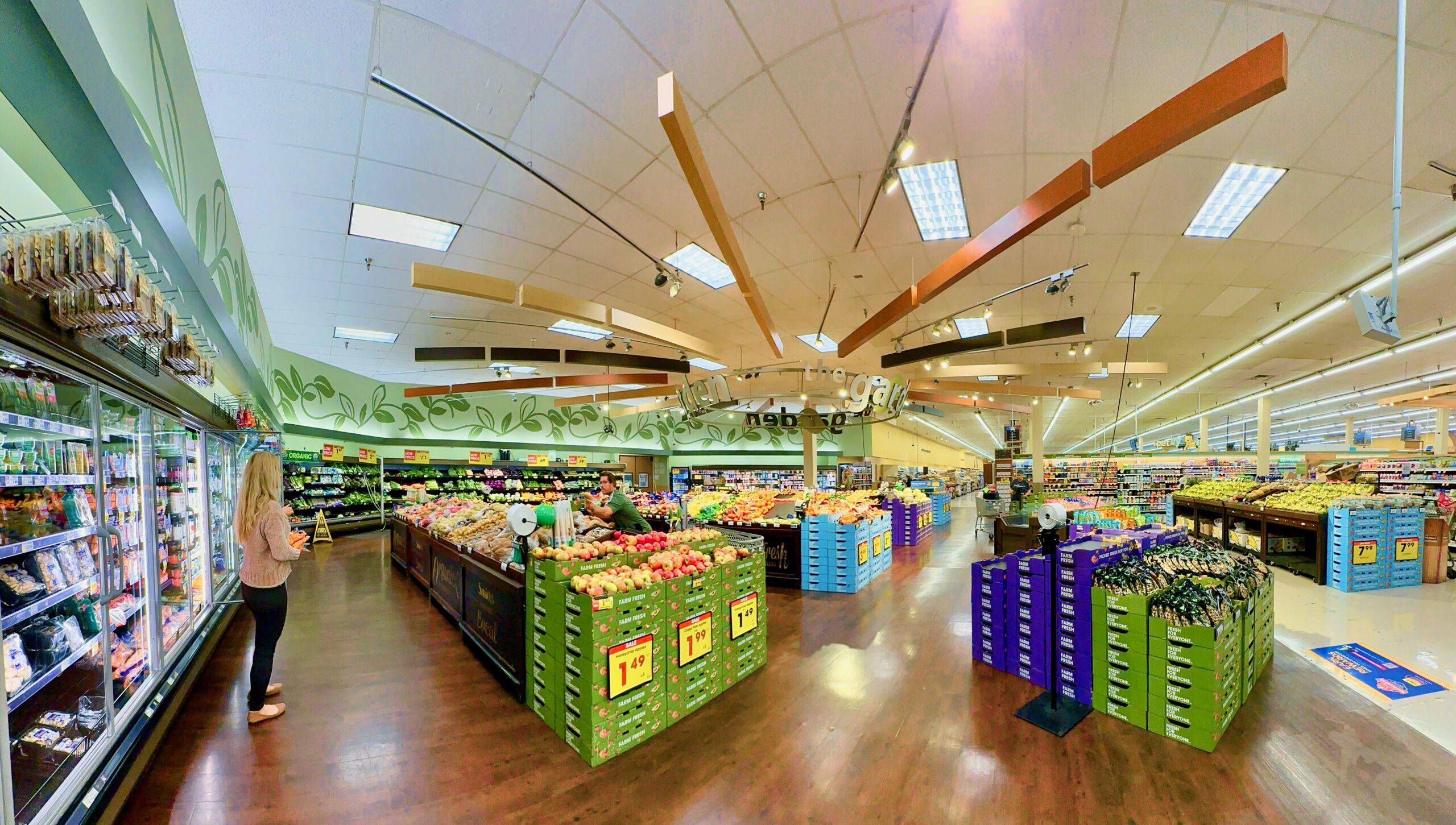
Shelter costs — rent and the cost equivalent for homeowners — rose just 0.1 percent in July. That’s a small percentage move, but shelter carries enough weight in the overall price index that it still accounted for roughly two-thirds of the entire monthly increase in prices; shelter is up 3.2 percent over the past year. Medical care costs climbed 0.4 percent for the month. Used cars and trucks rose the same amount, while natural gas jumped 0.7 percent and electricity ticked up a more modest 0.1 percent. Motor vehicle insurance was one of the few categories to fall, down 0.3 percent. Food prices rose 0.1 percent in July; over the past year, groceries are up 2.7 percent and eating out is up 3.4 percent.
Energy prices fell 1.5 percent in July but remain 14.7 percent higher than a year ago — a gap that reporting has linked to the 2026 U.S.-Israel-Iran war, which has put pressure on oil prices. June’s 0.4 percent monthly price drop, described by Reuters as the first monthly decline in six years, was itself the unusual reading. July’s small increase looks more like a return to normal by comparison.
The Fed’s dilemma
The Federal Reserve has held its benchmark rate at 3.50 to 3.75 percent since July. Its policymakers are now publicly divided over what to do next, and unusually, the debate is about whether to raise rates further — not cut them — because part of the inflation is tied to oil prices from the U.S.-Israel-Iran war. Cleveland Fed President Beth Hammack, who dissented at the Fed’s July meeting in favor of a quarter-point increase, has said “now is the time to act.” The weak July jobs report cuts the other way, giving policymakers who favor holding steady an argument of their own.
No decision has been made. The Fed’s next meeting is September 15-16, and one more inflation reading — the August CPI report, due out September 11 — will land in between.
In the hours after Wednesday’s report, Reuters reported U.S. stocks trading modestly higher and Treasury yields easing slightly.
Sources and further reading
- CPI-U all items less food and energy, NSA (series CUUR0000SA0L1E)
- The Employment Situation – July 2026
- Consumer Price Index, West Region – June 2026
- Consumer Price Index News Release – 2026 M07 Results (permanent archive)
- Federal Reserve issues FOMC statement (July 29, 2026)
- Consumer Price Index — release schedule
- CPI-U all items, seasonally adjusted (series CUSR0000SA0)