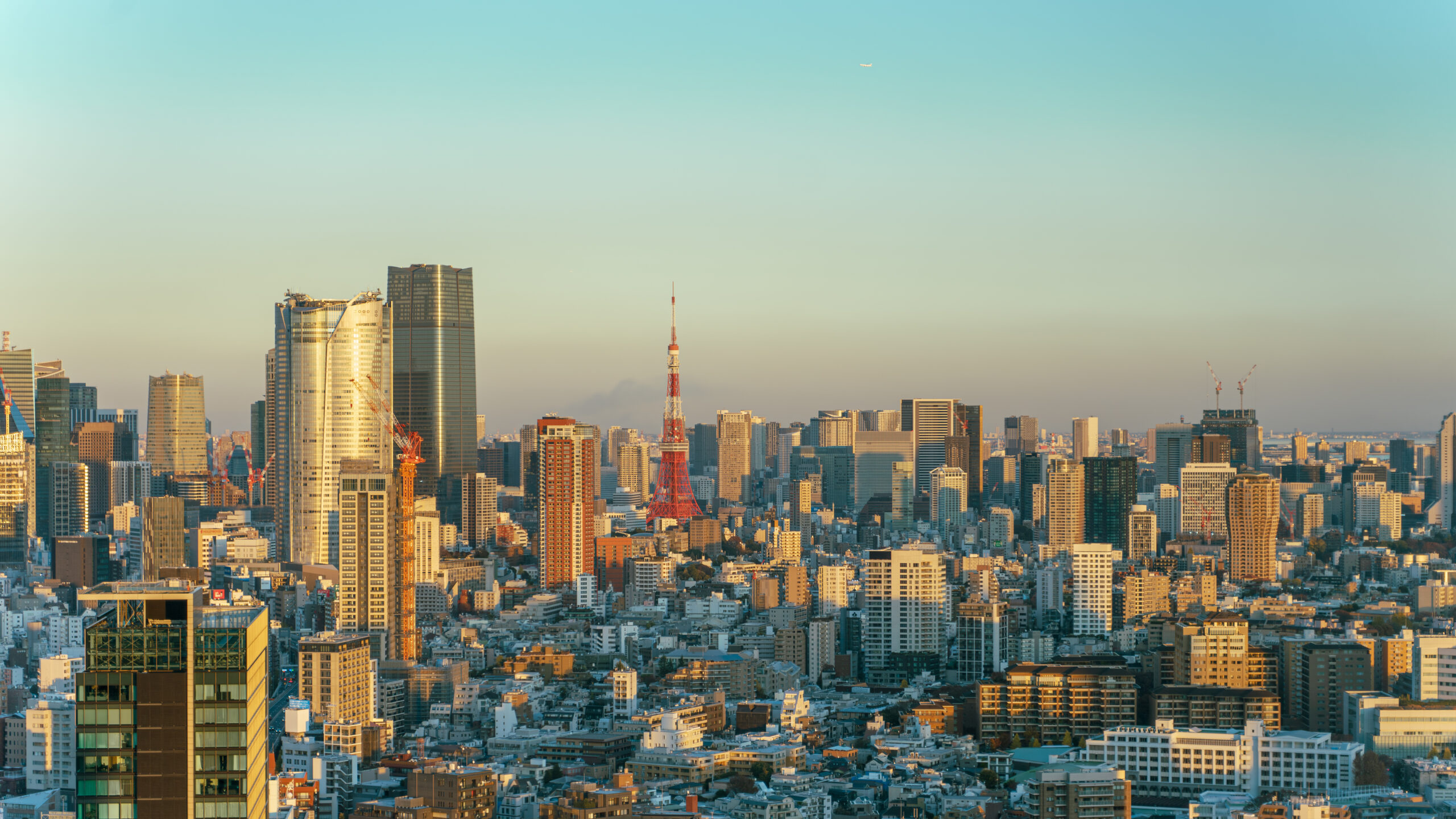
A magnitude 5.9 earthquake struck southern Ibaraki Prefecture at about 2 a.m. local time on Sunday, August 23, 2026, with strong shaking felt across Tokyo and the wider Kanto region. At least 37 people were injured, most of them lightly, and no deaths were reported. A woman in her 80s in Yokohama, Kanagawa Prefecture, suffered a serious hip injury after falling out of bed as the shaking hit.
Key facts
- Magnitude: 5.9 (Japan Meteorological Agency, preliminary); 5.8 (U.S. Geological Survey)
- When: About 2 a.m. local time, Sunday, August 23, 2026
- Epicenter: Near Toride, southern Ibaraki Prefecture, about 40 miles (65 kilometers) northeast of central Tokyo
- Depth: About 70 kilometers
- Injuries: At least 37, most minor — 15 in Tokyo, 9 in Saitama, 8 in Kanagawa, 4 in Chiba, 1 in Ibaraki
- Deaths: None reported
- Tsunami: No warning or advisory issued
Epicenter and shaking intensity
The epicenter was near Toride in southern Ibaraki, roughly 40 miles (about 65 kilometers) northeast of central Tokyo, at a depth of around 70 kilometers. The Japan Meteorological Agency put the preliminary magnitude at 5.9; the U.S. Geological Survey recorded 5.8. That relatively deep underground origin helped moderate how hard the shaking hit at the surface, Japanese officials said.
Even so, it was strong enough to register “lower 5” — a strong-shaking level — on Japan’s shindo, or seismic-intensity, scale in parts of Ibaraki and in Tokyo’s Adachi Ward, as well as in Saitama and Chiba.
Early-warning alert
Japan’s earthquake early-warning system — run by the Japan Meteorological Agency and fed by more than 4,000 seismometers nationwide — sent alerts to an estimated 37 million phones in the Tokyo area in the moments before the strongest shaking arrived, Tech Times reported. No other outlet reviewed for this article has independently confirmed that figure.
Injuries, mostly from falls in the dark
The 37 injuries were spread across five prefectures: 15 in Tokyo, 9 in Saitama, 8 in Kanagawa, 4 in Chiba and 1 in Ibaraki. Most people were hurt falling or hitting furniture and doors as they scrambled out of bed after being woken by the shaking in the middle of the night.
There was no danger of a tsunami, the Japan Meteorological Agency said, and no tsunami warning or advisory was issued.
What else was affected
An underground water pipe ruptured in Tokyo’s Koto ward, sending water onto the road; crews later repaired the leak. Limited-express trains — a faster class of service between ordinary local trains and the Shinkansen bullet trains — serving Tokyo and Narita Airport, as well as some JR East lines, including the Joban, Keihin-Tohoku, Shonan-Shinjuku, Musashino, Chuo-Sobu and Sotobo lines, were delayed after the quake, while Shinkansen bullet-train service continued running. No anomalies were found at nuclear plants and nuclear-material facilities in the region, including the Tokai No. 2 plant in Ibaraki, Japan’s Nuclear Regulation Authority said.
Government response
Prime Minister Sanae Takaichi said on social media platform X that the government had set up a task force at the Prime Minister’s Office Crisis Management Center to assess the damage and that officials had been told to give the public timely and accurate information; she added that residents in areas of strong shaking should stay alert for the possibility of another earthquake of similar magnitude, a caution the Japan Meteorological Agency echoed, urging residents to watch for another moderate quake over the following week.
Not the same as Japan’s other recent earthquakes
This earthquake is unrelated to two other major quakes that have made headlines in Japan this summer.
- July 28, 2026 — A much larger and deadlier earthquake struck near Uki City, Kumamoto Prefecture, on the island of Kyushu, hundreds of miles from Tokyo, killing at least 34 people and prompting a tsunami warning for nearby seas.
- August 23, 2026, hours after the Ibaraki quake — A separate earthquake struck Japan’s Hokkaido region, reported at magnitude 6.0 by some outlets and 6.2 by another, hundreds of kilometers to the north, with no reported link between the two events. As with the Ibaraki-Kanto quake, no deaths were reported from the Hokkaido earthquake, though it was not immediately clear whether it caused any injuries or damage.