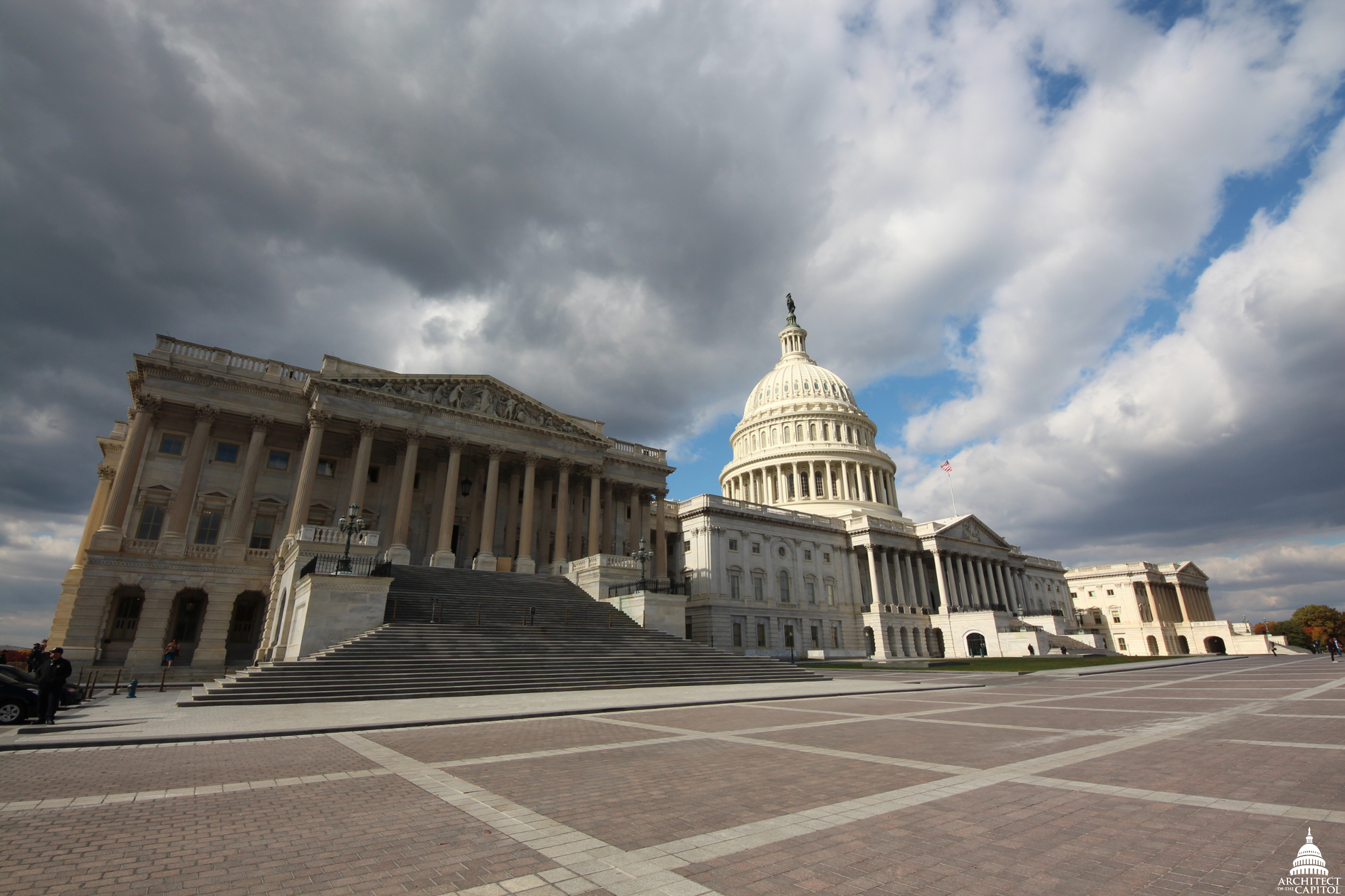
Senate Republicans spent the first week of August arguing over whether to cancel their scheduled recess. The argument is over: the Senate adjourned at about 4:56 a.m. on Saturday, August 8, 2026, and left for a five-week break without passing the SAVE America Act, three months before the 2026 midterm elections.
Key facts
- At least 14 GOP (the Republican Party) senators, led by Sen. Mike Lee, wanted recess canceled until the SAVE America Act passed
- Majority Leader John Thune held to the schedule, and the recess went ahead
- The votes were not there: a narrower photo-ID measure drew 52 of the 60 needed to advance
- The Senate adjourned early on Saturday, August 8, 2026, and is not due back until September 14
- Midterms are set for November 3, 2026
The Recess Standoff, Explained
President Trump has been pressing Senate Majority Leader John Thune to cancel or delay the break so senators can keep working on the SAVE America Act, a voter-ID and proof-of-citizenship voting bill, along with an Iran-related budget package. The Hill has reported that the dispute has sparked a “firestorm” inside the Senate Republican Conference, the formal organization of Republican U.S. senators, which is chaired by Sen. Tom Cotton of Arkansas with Sen. James Lankford of Oklahoma as vice chair.
At least 14 Senate Republicans, led by Sen. Mike Lee of Utah, pushed to cancel or delay the recess until the SAVE America Act passed. Thune resisted, arguing the bill had already failed multiple floor votes and that vulnerable Republican incumbents — including Sens. Susan Collins of Maine, Jon Husted of Ohio and Dan Sullivan of Alaska — needed time at home to campaign. Lee settled for a vote before the break rather than a canceled recess, and the break went ahead.
Where the Votes Stand
Canceling recess would have kept senators in Washington to take more floor votes on the bill instead of going home to campaign — the trade-off that divided Republicans. The votes were not there. In the overnight session before the break, senators voted instead on a narrower measure from Sen. Jon Husted of Ohio requiring photo identification in federal elections; it drew 52 votes, short of the 60 needed to advance, with every Democrat opposed.
What the SAVE America Act Would Do
The SAVE America Act would require proof of citizenship to register to vote and photo ID at the polls. Voting-rights experts cited by PBS have warned the requirements could make it harder for some voters who lack readily available documents to cast a ballot. Trump has said the bill is necessary to “guarantee the midterms” and has claimed election cheating is rampant — a claim that PBS reporting has characterized as false.
Timing, and What Happens Next
Lankford had said Senate Republicans would “keep going” past the planned break if lawmakers couldn’t pass three priorities, including a stopgap government funding bill and the SAVE America Act. Two of the three landed in the overnight session before the break: the Senate passed the short-term spending bill 90-6, funding federal agencies into December, and confirmed Todd Blanche as attorney general 50-49. The SAVE America Act was put off until September.
The stakes behind the fight are straightforward: the midterms are scheduled for November 3, 2026, and Republicans will be defending their Senate majority — 53 seats to Democrats’ 47, counting the two independents who caucus with Democrats — though no outcome can be predicted this far out.
The recess fight itself is settled: everyone went home as planned, and the Senate is not due back until September 14. What is not settled is the SAVE America Act, which could pass, fail again, or simply get shelved until after voters have already had their say in November.