.jpg)
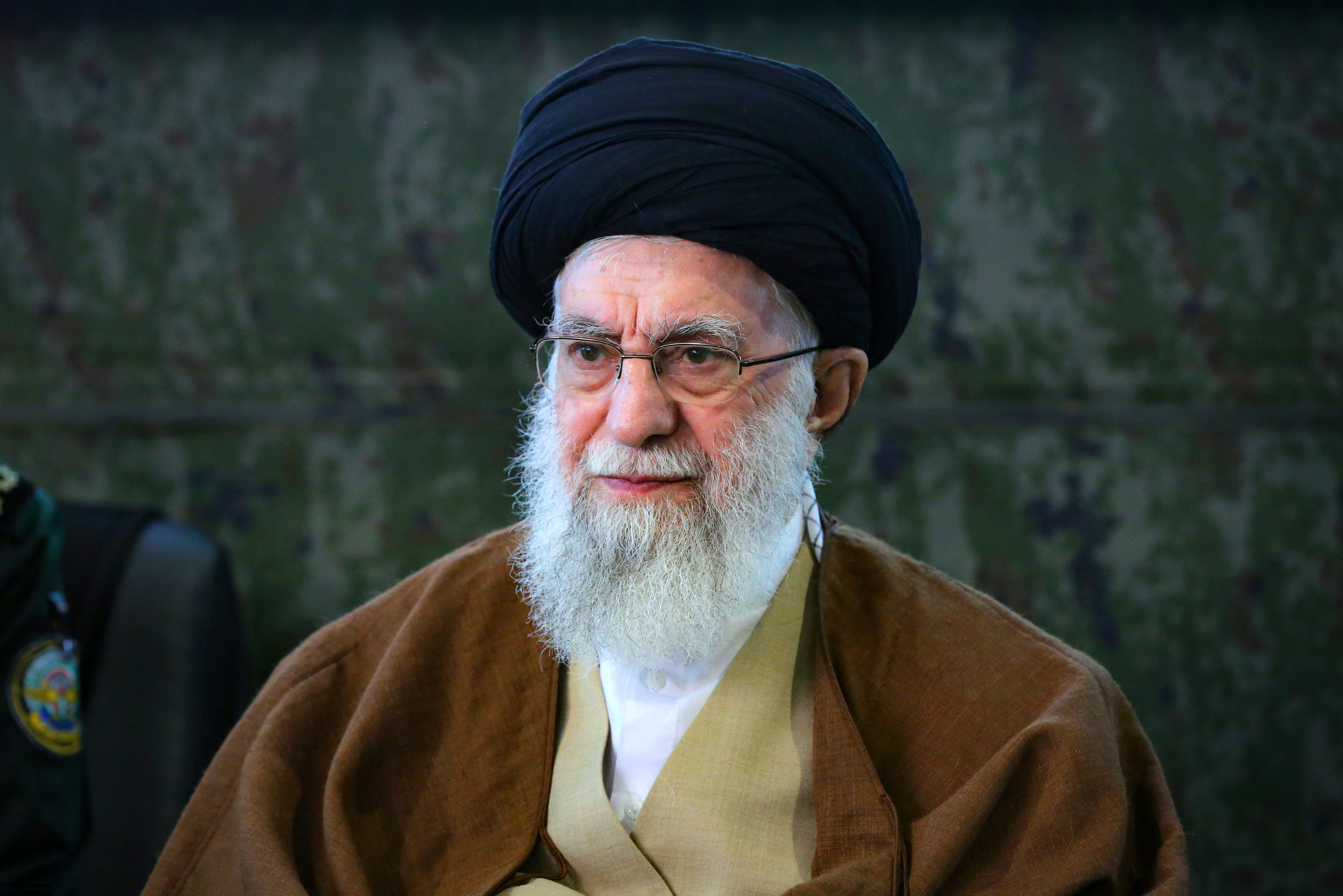
The war the United States and Israel have been fighting against Iran began on February 28, 2026, when US and Israeli strikes killed Iran’s Supreme Leader Ali Khamenei in Tehran; Iran’s government confirmed his death the next day. The war is still going, with no ceasefire in place as of mid-September — the war’s only truce so far, a memorandum signed June 17, held for about three weeks before it collapsed on July 8, and fighting has continued since. GlobalSecurity.org counted it as Day 199 on September 14. The picture isn’t uniform, though: Iran had not fired directly at Israel for five straight days by that point, and the separate Hezbollah-Israel front in Lebanon had stayed quiet for three. What has picked up instead is trouble at sea, in the Strait of Hormuz, the narrow waterway between Iran and Oman that a large share of the world’s oil tankers pass through.
Key facts
- War began: February 28, 2026, when US and Israeli strikes killed Iran’s Supreme Leader Ali Khamenei
- Only ceasefire: signed June 17, collapsed July 8, after holding about three weeks
- Day count: Day 199 as of September 14 (GlobalSecurity.org)
- September 5: Iran’s Revolutionary Guard Corps fired ballistic missiles at a US carrier and destroyer; the US said the ships suffered no damage or casualties, while Iran claimed they were damaged and forced to flee the area. The US disabled two Iranian oil tankers and destroyed a third
- Strait traffic: transits fall to single digits per day over September 13-14, down from a 10-day average of about 14 a day
- US gas prices: climb to about $4.22 a gallon, the highest since June 5
- US casualty figures disputed: Trump and Hegseth cited 18 dead and more than 800 wounded on September 11; the Pentagon’s database later showed 14 dead and 420 wounded, a change officials called a technical correction
- September 1: a US strike hits a wedding in Kuhestak, Iran, killing at least four people, including a 4-year-old child
- September 13: an Iranian cargo vessel is struck near Qeshm Island (1 killed, 4 wounded) and the tanker El Gaia is struck near Hengam Island (1 of 14 crew still missing)
Timeline
- February 28, 2026 — US and Israeli strikes kill Iran’s Supreme Leader Ali Khamenei in Tehran, starting the war
- June 17, 2026 — The war’s only ceasefire memorandum is signed
- July 8, 2026 — The ceasefire collapses after about three weeks; fighting resumes
- September 1, 2026 — A US strike hits a wedding celebration in Kuhestak, Iran, killing at least four people
- September 5, 2026 — Iran’s Revolutionary Guard Corps fires missiles at a US carrier and destroyer; US Central Command hits three Iranian oil tankers
- September 9, 2026 — Trump says he expects the war to end “immediately” after the November midterms
- September 11, 2026 — Trump and Hegseth cite 18 US deaths and 800+ wounded; the Pentagon’s database is later found to show 14 deaths and 420 wounded
- September 13, 2026 — An Iranian cargo vessel is struck near Qeshm Island and the tanker El Gaia is struck near Hengam Island
- September 13-14, 2026 — Strait of Hormuz transits fall to single digits a day; US gas prices climb to about $4.22 a gallon
- September 14, 2026 — The planned Gulf Cooperation Council-Iran meeting collapses; Trump says Iran is “trying to make a deal”
Tensions spike in the strait, and diplomacy falls apart
On September 5, Iran’s Revolutionary Guard Corps — the branch of Iran’s military that answers most directly to its leadership — fired ballistic missiles at a US aircraft carrier and a guided-missile destroyer. The US said both ships evaded the attack with no damage and no casualties; Iran claimed the ships were damaged and forced to flee the area. The US Central Command separately struck three Iranian oil tankers that day, disabling two and destroying a third after ordering its crew to abandon ship.
The fallout has been immediate. The strait was not fully closed, but the number of commercial ships passing through it fell to single digits per day over the weekend of September 13-14, well below a recent 10-day average of about 14 transits a day. US gas prices climbed to roughly $4.22 a gallon, the highest since June 5. Saudi Arabia shut down the East-West it had been using to keep exporting oil without going through the strait at all.
Diplomats had planned to address the bottleneck on September 14, at what would have been the first Gulf Cooperation Council meeting with Iran in nearly two years. It fell apart in two separate ways: Saudi Arabia objected to changes Iran and Oman had proposed to their own shipping-corridor arrangement (the specifics of those proposed changes were not reported), and Bahrain, separately, said it would not attend at all. Facing both problems, Oman — the host — postponed the meeting, and no new date has been set. Even so, Oman said it had separately finished its own narrower, bilateral understanding with Iran on managing strait traffic, a smaller deal that survived even as the wider one collapsed.
Iran’s nuclear chief, Mohammad Eslami, was also blocked from attending an annual conference at the IAEA’s Vienna headquarters on September 14 after the United States opposed his attendance.
Two more ships were hit
Early Sunday, September 13, an Iranian cargo vessel was struck near Qeshm Island, inside the strait, killing one person and wounding four, according to Iranian state media. The governor’s office in Qeshm blamed an unnamed “terrorist enemy” without identifying a state or group, and Washington has not commented on the incident.
Separately that same day, the Panama-flagged tanker El Gaia, carrying 14 Indian crew members, was struck near Hengam Island. Thirteen of the crew were rescued; one remained missing. Here, the two sides don’t even agree on what happened. Iran’s navy says the tanker hit a naval mine inside a zone it had declared restricted. The US military describes two separate hits instead: it says an Iranian missile had already struck and disabled the ship the previous month, and that a drone struck it again this weekend while it sat off Oman’s coast. Neither account has been independently confirmed, and no outside evidence so far favors one version over the other.
The Pentagon’s death count changed — and so did the wounded number
At a September 11 ceremony marking the anniversary of the 2001 terrorist attacks, President Trump and Defense Secretary Pete Hegseth told the public that 18 US service members had died since the war began, along with a wounded count of more than 800. Days later, the Pentagon’s own public casualty database showed lower numbers for both: 14 deaths and 420 wounded. The death toll fell after the Pentagon removed four deaths that had been logged in Jordan and Iraq rather than Iran itself — those four removed deaths account for that part of the change. The wounded count fell from more than 800 to 420, a steeper drop than those four removed deaths alone would explain; the Pentagon hasn’t spelled out the rest of that math, and the two figures simply changed together in the same database update. The Pentagon did not announce the revision itself — it came to light when the database was reviewed and questioned, and only then did defense officials call the change a technical correction. Democrats on the Senate Armed Services Committee are now pressing Hegseth for a full accounting.
No independently verified total exists for deaths on the Iranian side, either, and the individual estimates differ by thousands: Iran’s own government puts the toll at roughly 3,500 or more deaths; the Iranian human-rights group HRANA puts total deaths at 3,684; the United Nations’ humanitarian office estimates more than 3,400 civilians killed and over 33,000 injured; and Israeli military intelligence estimates Iranian military deaths alone at 6,000 or more. None of these figures has been reconciled with, or independently verified against, the others.
A US strike hit a wedding
On September 1, a US strike hit a home in Kuhestak, in Iran’s Hormozgan province, where a wedding celebration was underway. At least four people were killed, including a 4-year-old child, and more than 60 were injured; one Al Jazeera report puts the toll at five. Iran has called the strike a war crime. The US has said it is reviewing the incident and has not announced findings.
What Trump has said about ending the war
On September 9, Trump told reporters he expects the war to end “immediately” after November’s midterm elections, and accused Iran of dragging the war out to hurt him politically. He also said the US is not currently pursuing a negotiated deal, though he added one “could possibly happen.” Five days later, on September 14, he struck a different note, saying Iran was “trying to make a deal” and that the US was “open to the concept.” Nothing has been signed and no timeline is confirmed — what Trump has offered so far is a prediction, not an agreement.
No confirmed operational link connects the war to Venezuela
Search interest has bundled the Iran war together with Venezuela, but the available reporting treats them as separate storylines. Venezuela’s storyline is a different US military operation, from January 2026, that captured Venezuelan President Nicolas Maduro; he now faces US drug-trafficking and weapons charges, and Delcy Rodriguez has served as Venezuela’s acting president since. Analysts have written about a longstanding Iran-Venezuela relationship, but no current reporting points to an actual operation connecting the two.
Watch for fake footage
Not everything circulating about this war online is real. NewsGuard has tracked 146 false claims about the war that together have drawn hundreds of millions of views — including AI-generated images claiming to show a destroyed US aircraft carrier, fake photos of captured US special-forces operators, and old footage from other conflicts relabeled as if it were current. Treat viral images and video from this war with caution, especially anything claiming to show the recent Qeshm Island vessel strike: no verified visual evidence of that has surfaced.