Skip to content

Plainly Now

What happened. Why it matters. Plainly.

  • Home
  • Health
  • Politics
  • Sports
  • Entertainment
  • Technology
  • Money
  • Animals
  • About Plainly Now

Science

Space, research and discovery: what was measured, who measured it, and what is still waiting on confirmation.

Japan’s MMX Probe Is Scheduled to Launch Oct. 19 EDT to Bring Back a Sample From Mars’ Moon Phobos
By Plainly Now News Desk · Published October 16, 2026
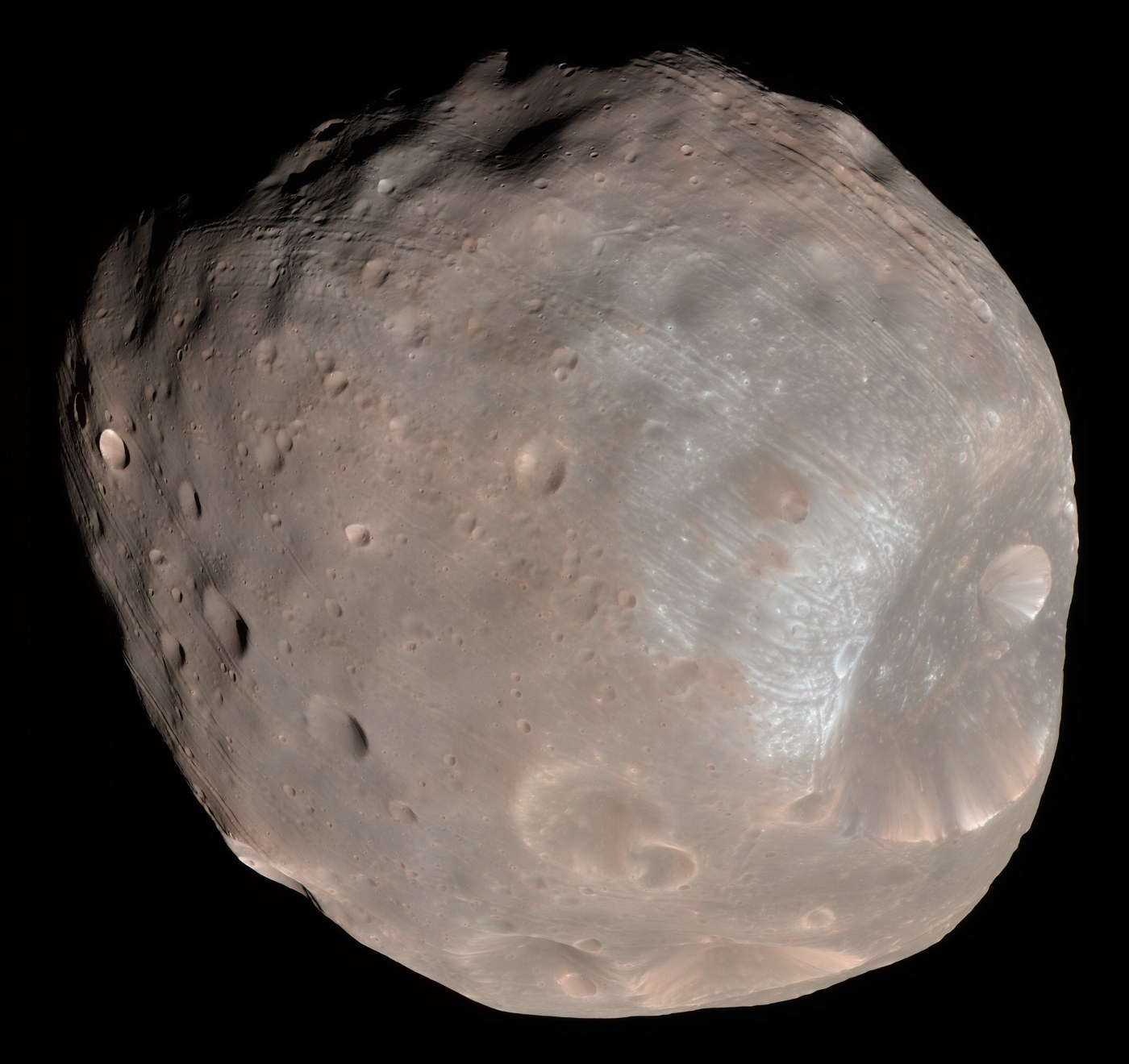
A color image of Phobos, the larger moon of Mars: a lumpy, gray-brown, heavily cratered body against black space, with the large crater Stickney at the lower right.

Japan’s space agency JAXA targets a 3:41 p.m. EDT launch on Oct. 19 for MMX, a probe to land on Mars’ moon Phobos and bring a sample back to Earth in 2031.

Categories Science Tags NASA

White Dwarf Stars May Look Green or Pink Up Close, Study Finds, but the Average One Is White

By Plainly Now News Desk · Published October 15, 2026
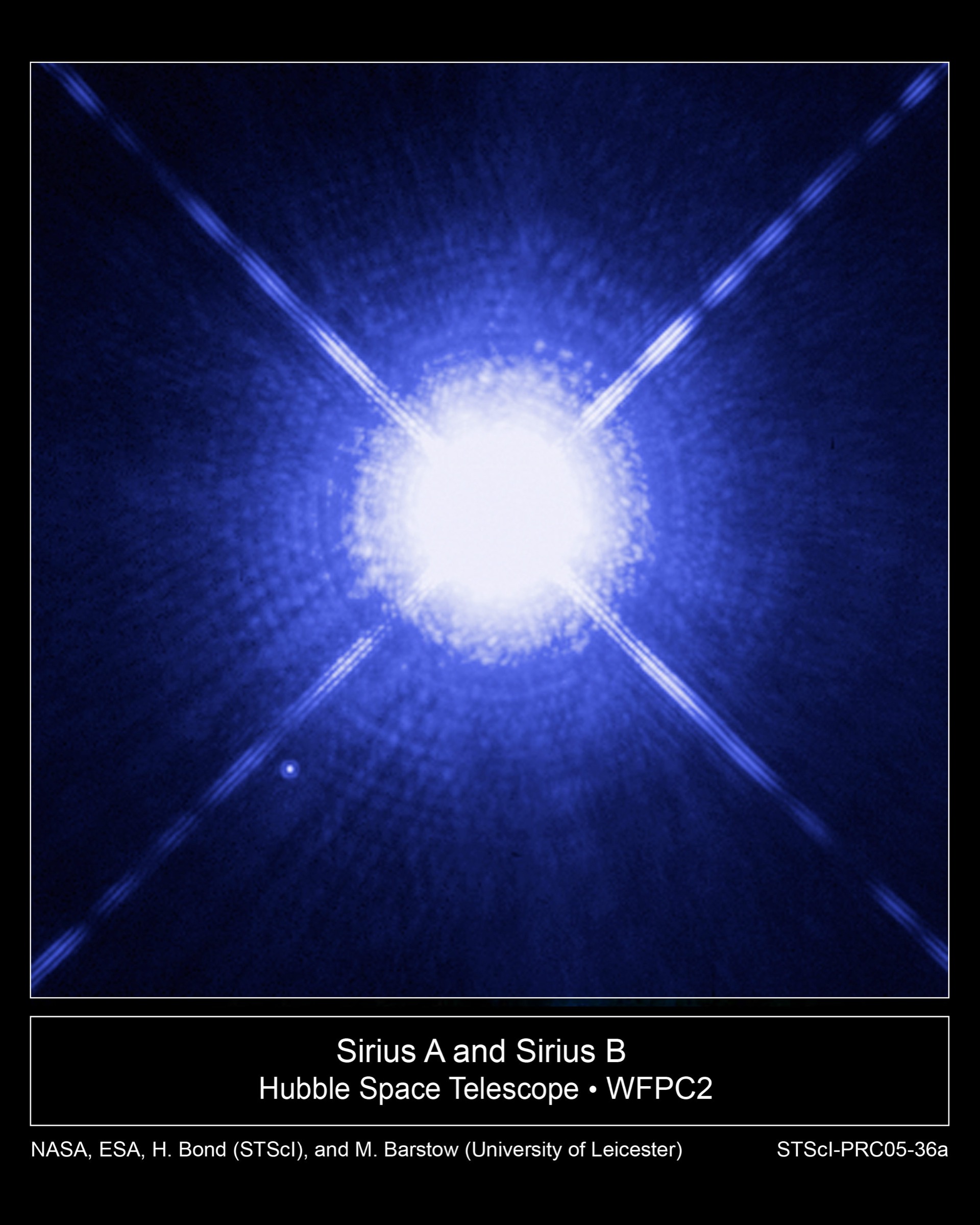
Hubble Space Telescope image of the bright star Sirius A with diffraction spikes and, at lower left, the tiny white dwarf Sirius B.

Warwick astronomers report some white dwarfs would look green, pink or cyan up close, roughly one in 30 differ from white, but the median white dwarf is white.

Categories Science

Archaeologists Say Turkish Bronze Age Wreck Is World’s Oldest, Dated by Pottery Style

By Plainly Now News Desk · Published October 14, 2026
A view over the sheltered bay of Kekova on Turkey's southern coast, with boats and red-roofed houses of Kaleköy village below a medieval fortress wall and hills across the water.

Archaeologists say a wreck off Kekova Island, Turkey, is the world’s oldest, dated to 4,400 to 4,700 years ago by pottery style, not by a physical method.

Categories Science

SpaceX Cargo Dragon Carries Last Pair of Roll-Out Solar Arrays and NASA Research to the Space Station

By Plainly Now News Desk · Published October 13, 2026
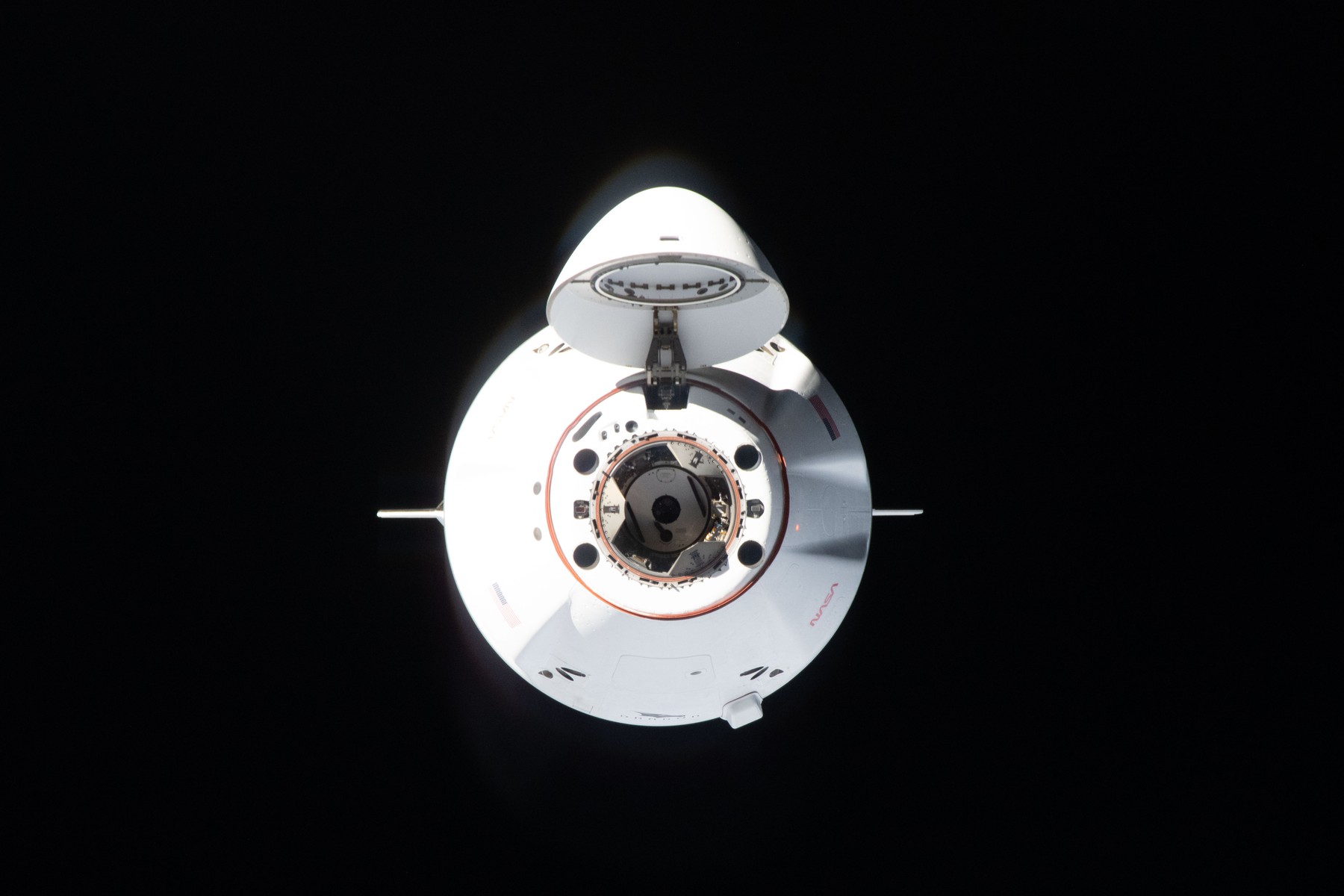
A SpaceX Cargo Dragon spacecraft with its nose cone open, showing its docking mechanism, approaching the International Space Station against the black background of space.

A SpaceX Dragon cargo capsule lifted off from Cape Canaveral on Oct. 13 carrying the last pair of roll-out solar arrays for the International Space Station and NASA research on brain tissue, crop disease and antibiotic-resistant bacteria. It is due to arrive on Oct. 15.

Categories Science Tags International Space Station, NASA, Spacex

Copernicus Reports a Record 29.70 C Sea-Surface Temperature in the Pacific’s El Nino Zone in September

By Plainly Now News Desk · Published October 12, 2026 · Updated October 16, 2026
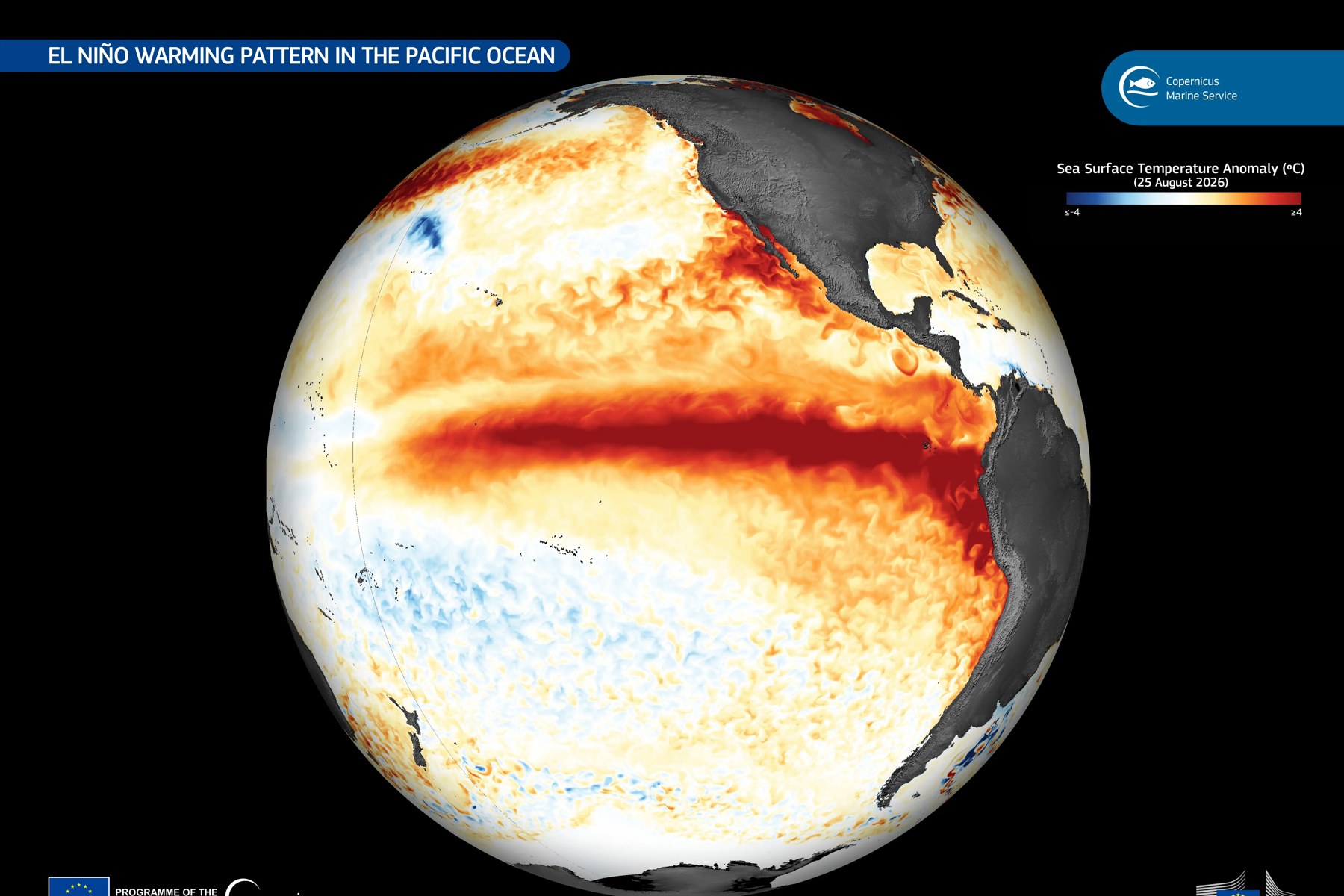
Globe view of the Pacific Ocean showing a band of unusually warm sea-surface temperatures along the equator, in dark red, from the central Pacific to South America.

Copernicus reported a record 29.70 C monthly sea-surface temperature in the Nino3.4 region in September; the article explains what that does and does not show.

Categories Science Tags El Nino, Japan Meteorological Agency

Webb Pins Down the Tiny Home of the Most Distant Fast Radio Burst Known

By Plainly Now News Desk · Published October 9, 2026
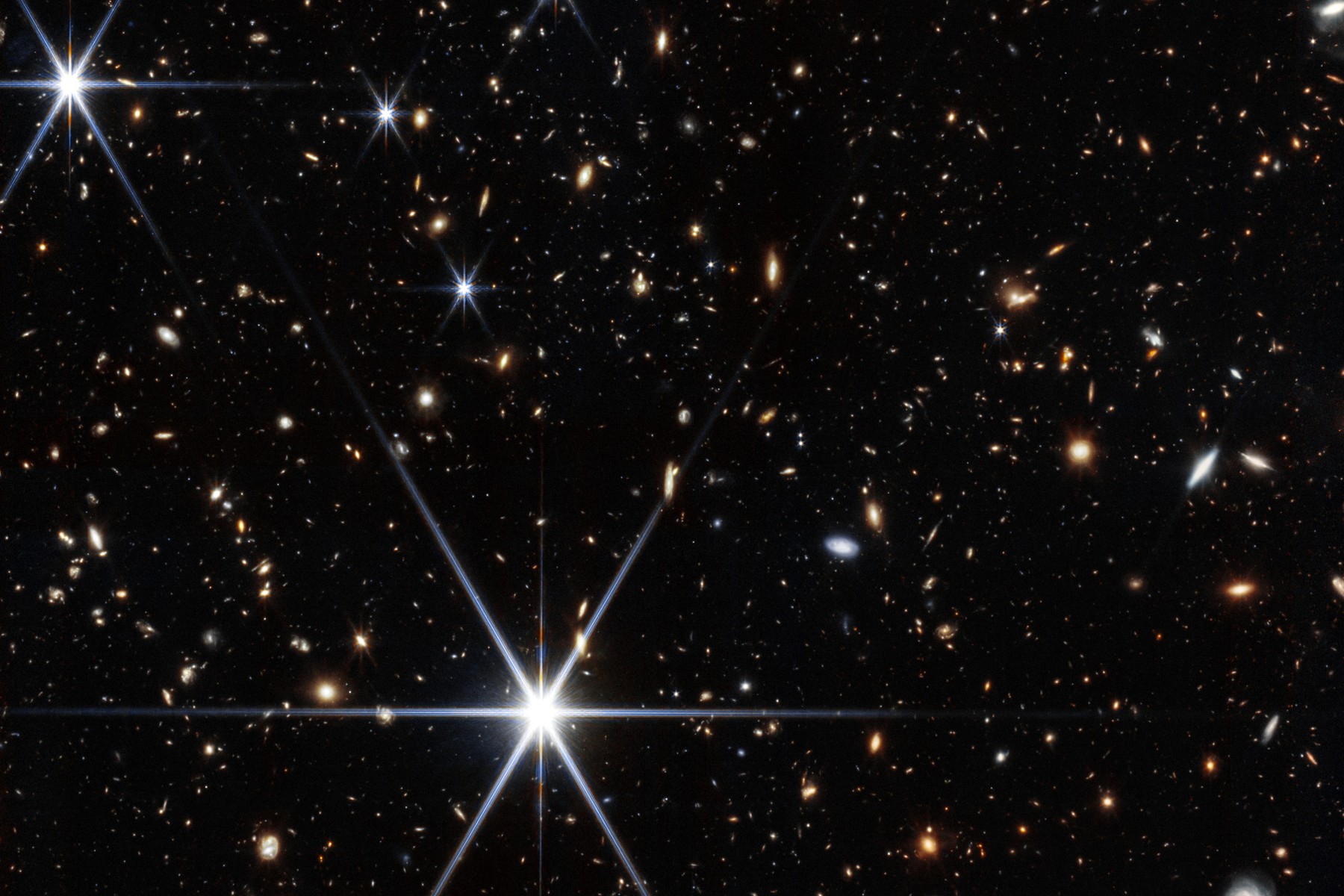
A dense field of small galaxies of many shapes and colors on black space, with bright blue-white stars showing long diffraction spikes, in a James Webb Space Telescope near-infrared image.

Webb found the host of FRB 20240304B, a small dwarf galaxy seen 3 billion years after the Big Bang, the most distant fast radio burst with an identified host.

Categories Science

Nature Publishes Two Papers on Working Nuclear Clocks: What They Do and Don’t Show

By Plainly Now News Desk · Published October 8, 2026
A schematic diagram of a thorium-229 nuclear clock: a laser beam hits a thorium-229 nucleus, a second laser and a photomultiplier tube detect the excitation, and a feedback loop returns the signal to the first laser.

Nature published two papers on Oct. 7 reporting working thorium-229 nuclear clocks from Vienna and Beijing; neither claims to beat today’s best atomic clocks.

Categories Science

Francis Halzen Wins the 2026 Nobel Prize in Physics for the IceCube Neutrino Observatory

By Plainly Now News Desk · Published October 6, 2026
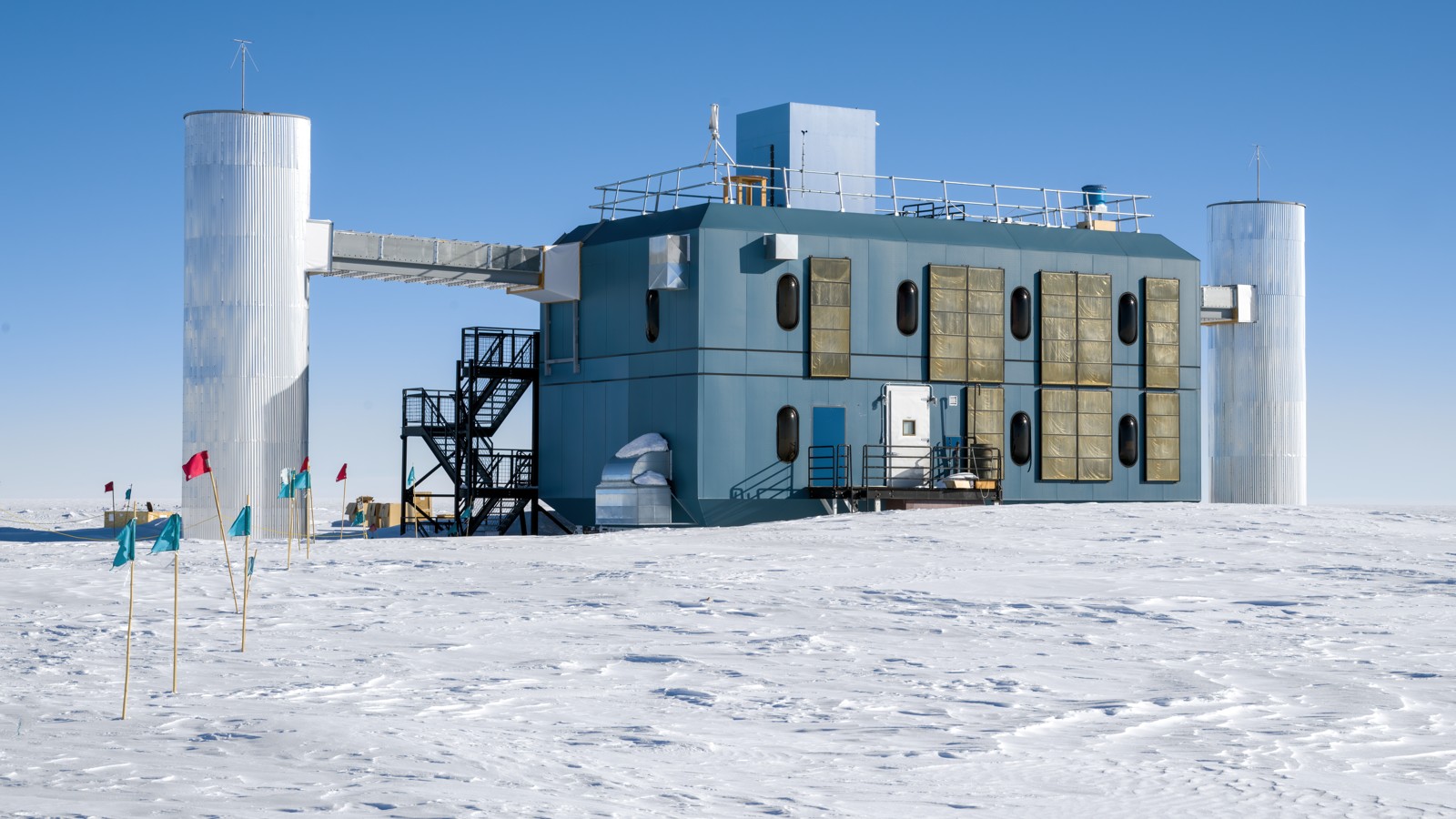
The IceCube Laboratory at the South Pole: a blue-grey two-storey building with a railed roof, flanked by two tall metal cylinders, on flat snow under a clear blue sky, with small colored flags on stakes in the foreground.

Francis Halzen of the University of Wisconsin-Madison wins the 2026 Nobel Prize in Physics for IceCube, the South Pole neutrino detector, the Academy said.

Categories Science

Nobel Prize in Medicine Goes to Optogenetics: How an Alga’s Protein Became a Brain Switch

By Plainly Now News Desk · Published October 5, 2026
Portrait of Karl Deisseroth, a dark-haired man with a beard in a white shirt, resting his head on one hand.

The 2026 Nobel Prize in Physiology or Medicine was awarded to Karl Deisseroth, Peter Hegemann and Georg Nagel for light-gated ion channels and optogenetics.

Categories Science

Academy of Natural Sciences Museum Closed: Drexel Says No Formal Proposal, Reports Cite a Funding Offer

By Plainly Now News Desk · Published October 3, 2026 · Updated October 6, 2026
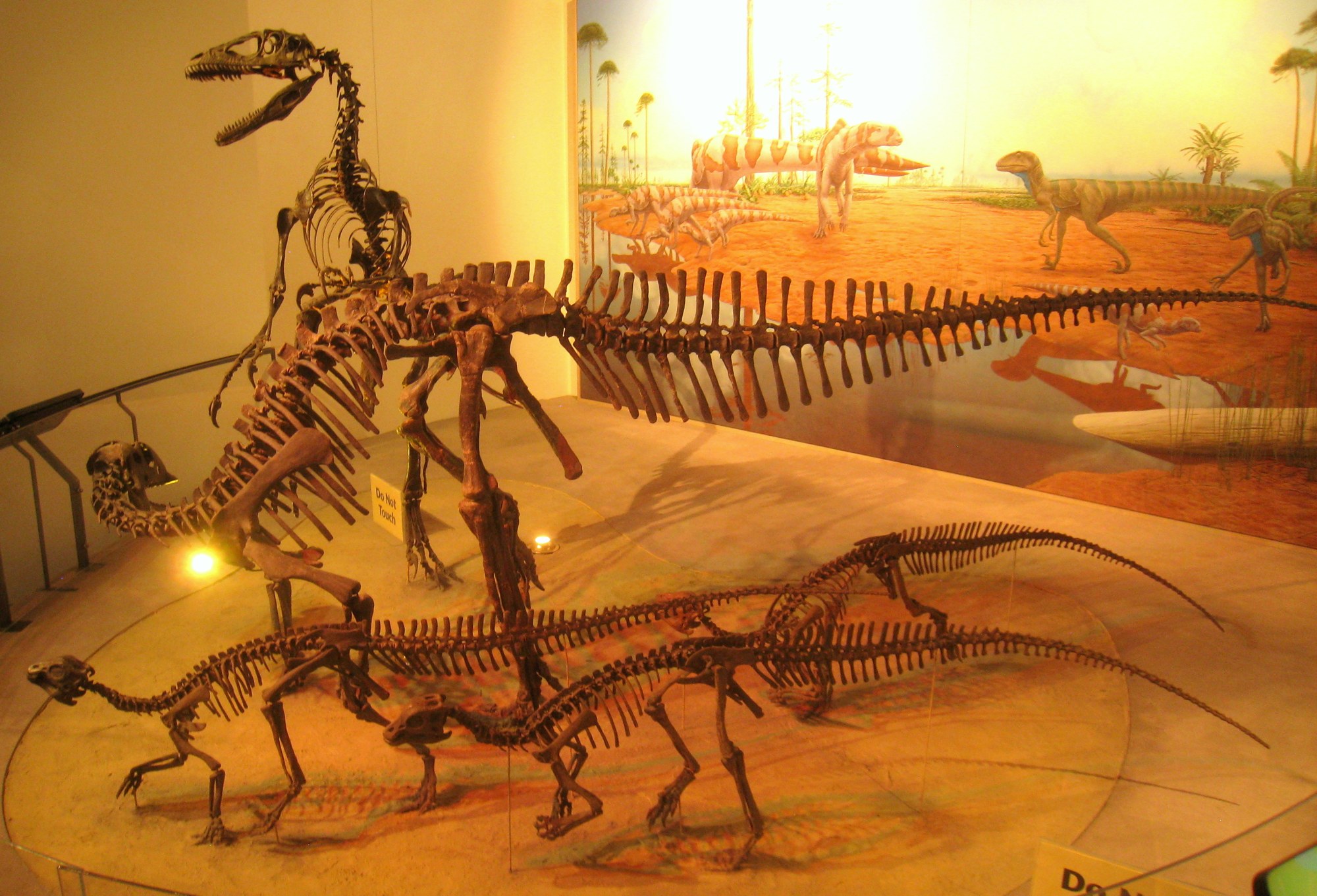
Mounted skeletons of Deinonychus and Tenontosaurus dinosaurs on a display platform in front of a painted prehistoric landscape mural at the Academy of Natural Sciences.

Academy of Natural Sciences closes Oct. 3 in Philadelphia. William Penn Foundation offers operating support for another year; Drexel says no formal proposal has been received.

Categories Science

Crew-13 Enters Space Station After What NASA Calls the Fastest U.S. Launch-to-Docking

By Plainly Now News Desk · Published October 2, 2026 · Updated October 13, 2026
A SpaceX Falcon 9 rocket rises on a column of flame from Space Launch Complex 40 at Cape Canaveral under a cloudy sky, with launch towers and palm trees in the foreground.

As of NASA’s 10:01 p.m. EDT post, Crew-13’s four members are now aboard the space station after Dragon’s hatch opened at 9:19 p.m. EDT on Thursday, Oct. 1.

Categories Science Tags International Space Station, NASA

Swiss Glaciers Lost 5.5% of Their Ice in 2026, Second-Worst Year on Record

By Plainly Now News Desk · Published October 1, 2026 · Updated October 3, 2026
The Aletsch Glacier in the Swiss Alps, a river of white ice flowing between rocky, snow-dusted peaks, with larch forest in the foreground.

Swiss glaciers lost 5.5% of their ice volume in 2026, an extrapolation from 23 measured glaciers, the second-biggest annual drop in GLAMOS records after 2022.

Categories Science

Starship Reached Orbit, Then Came Down Hours Ahead of Plan

By Plainly Now News Desk · Published September 29, 2026 · Updated October 3, 2026
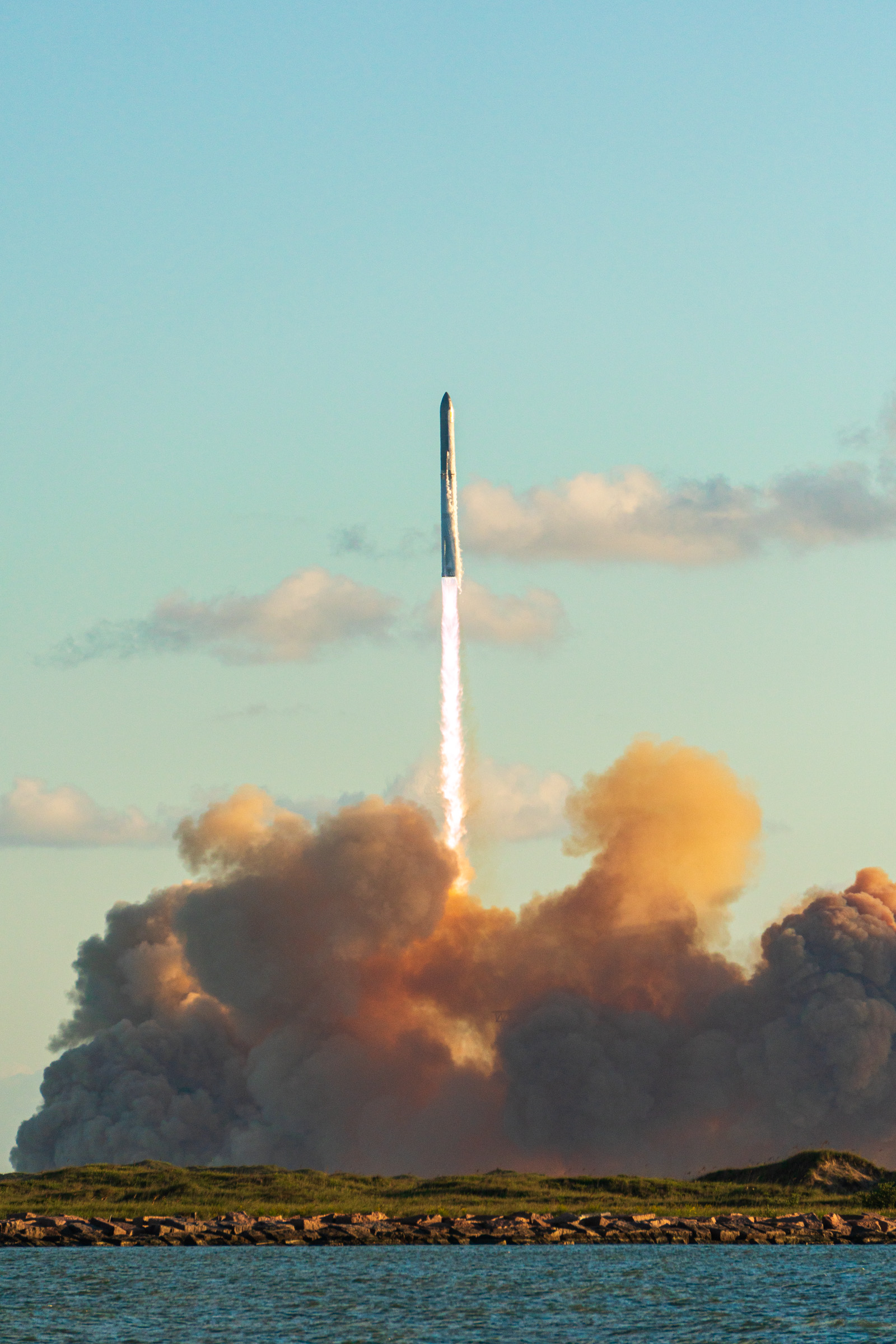
A SpaceX Starship rocket rises on a bright exhaust plume above a large cloud of smoke at Starbase, Texas, during its 11th flight test.

Starship reached orbit for the first time Monday, then splashed down north of Hawaii nearly seven hours early after an engine shut down, SpaceX said.

Categories Science Tags Spacex

Starship Flight 14: SpaceX’s Plan for Its First Orbital Attempt, and How the Flight Ended

By Plainly Now News Desk · Published September 27, 2026 · Updated September 30, 2026
SpaceX's Starship lifting off beside its launch tower at Starbase, Texas, in a large cloud of exhaust at sunrise.

SpaceX launched Starship’s 14th flight on Sept. 28; it reached orbit for the first time but splashed down about 3 hours after liftoff. Here is the pre-launch plan.

Categories Science Tags Spacex

Dogs’ Brains Lean on Consonants to Find Words in Human Speech, Study Finds

By Plainly Now News Desk · Published September 25, 2026
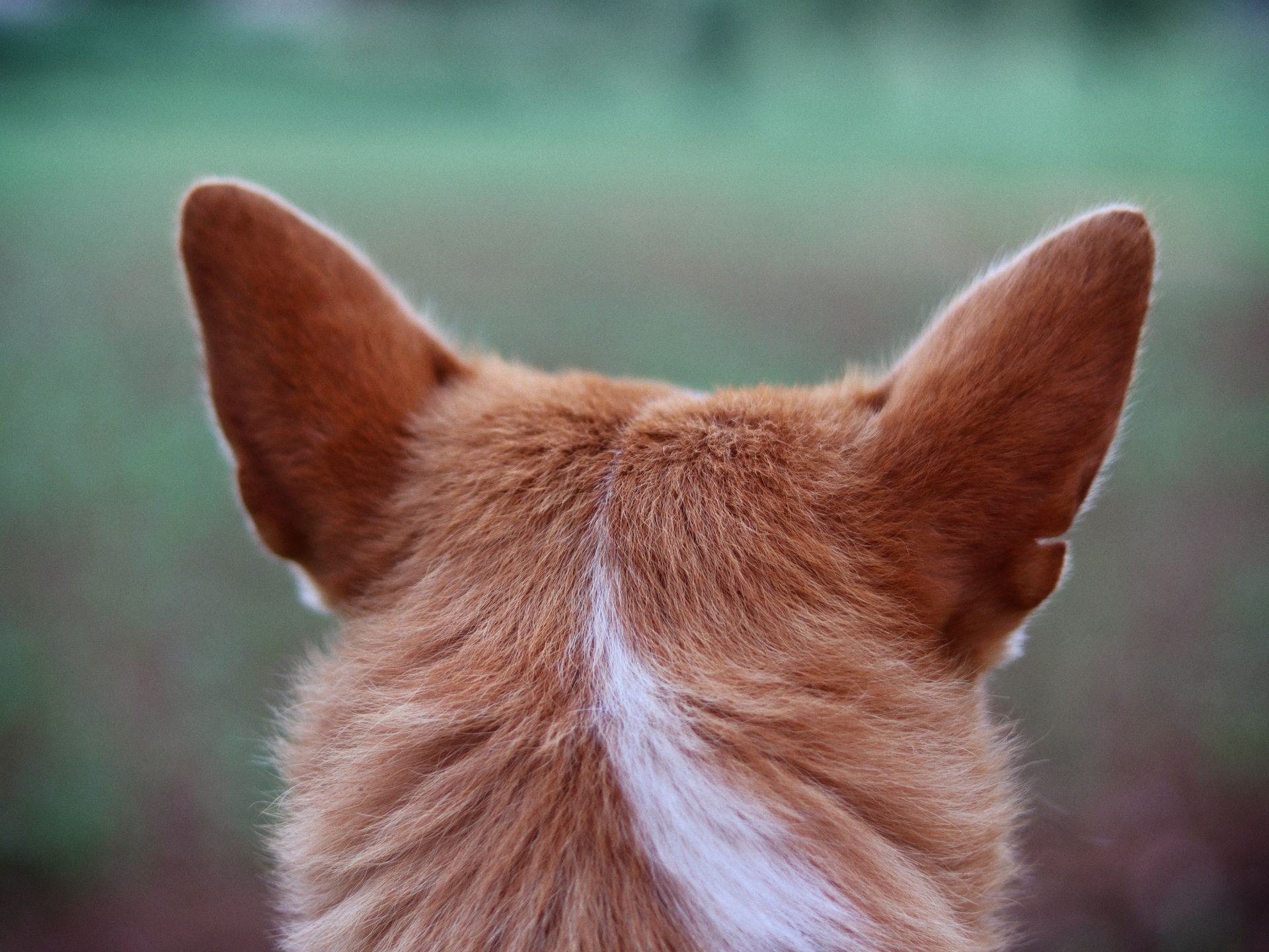
The back of a ginger-and-white dog's head with both ears pricked up, seen against a blurred green background.

A new Science study finds that dogs’ and humans’ brains track invented words by their consonants more than their vowels, a pattern long seen in humans.

Categories Science

A Planet Orbits Its Red Dwarf Against the Star’s Spin, Astronomers Report; the Angle’s Error Bar Is Wide

By Plainly Now News Desk · Published September 21, 2026
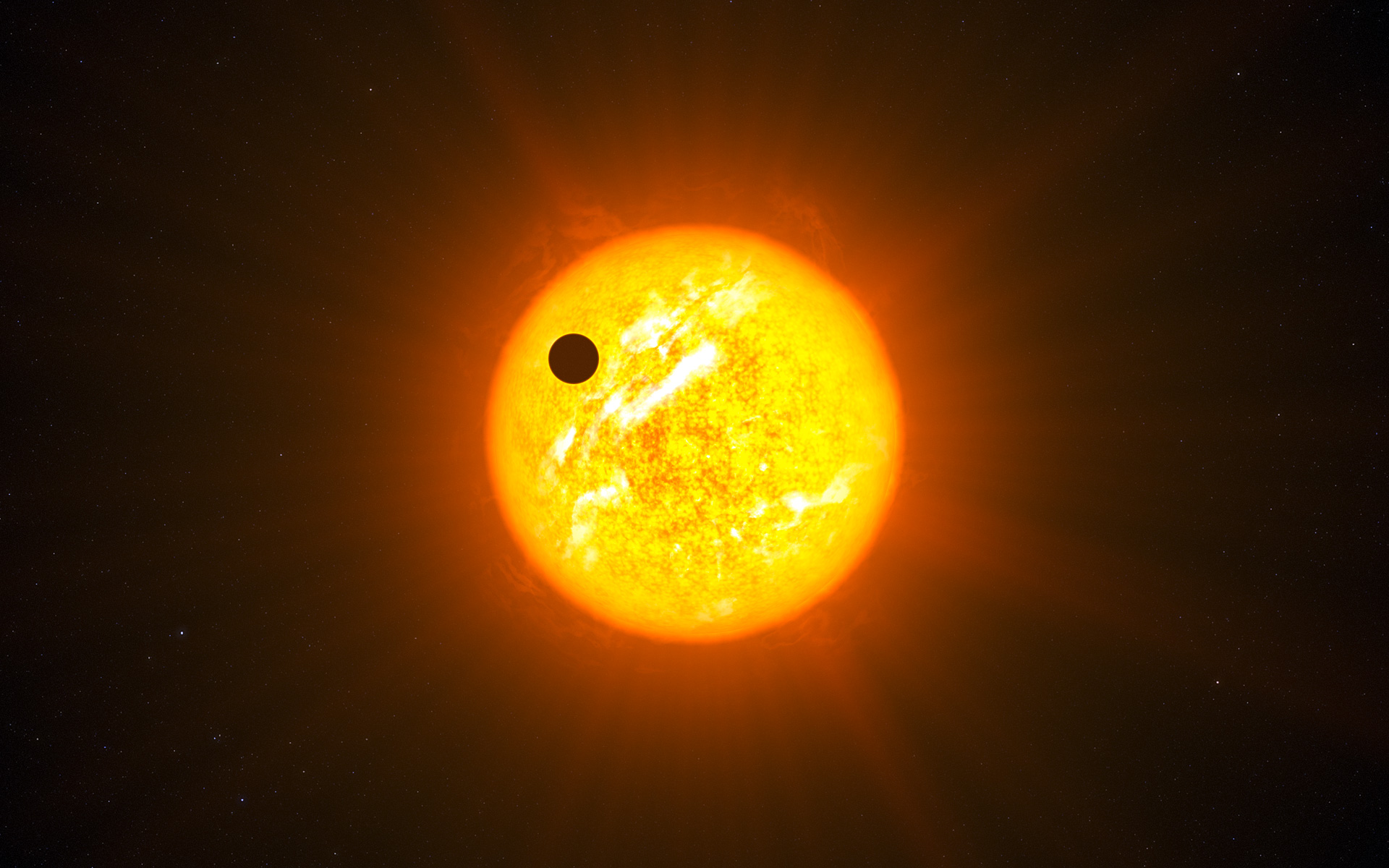
An artist's impression of a small dark planet silhouetted against the glowing orange-yellow disk of its star, against a dark starry background.

A sub-Neptune, GJ 3090 b, orbits its red dwarf star against the star’s spin, astronomers report, but the 136-degree angle carries a wide margin of error.

Categories Science

Three T. rex Teeth Put the Dinosaur’s Body Temperature Near an Elephant’s — With a Real Margin Attached

By Plainly Now News Desk · Published September 20, 2026 · Updated September 21, 2026
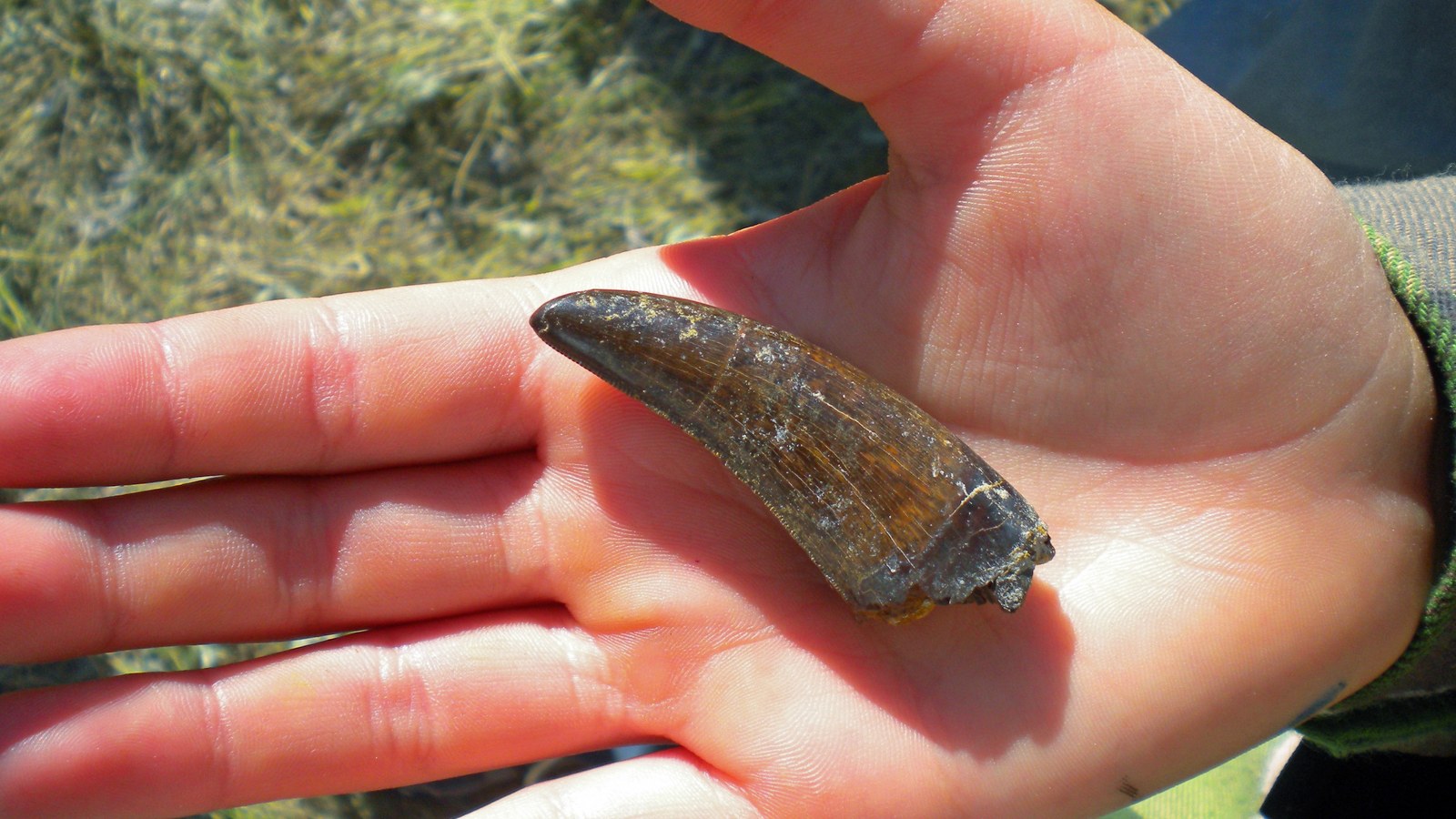
A fossil Tyrannosaurus rex tooth, dark brown and curved with a serrated edge, resting in an open human palm above dry grass.

Three fossilized T. rex teeth put its body temperature at 36.3°C, near a modern elephant’s, using clumped isotope thermometry with a real margin of error.

Categories Science
  • About Plainly Now
  • Contact
  • Privacy Policy
  • Editorial Policy
  • Terms of Service
© 2026 Plainly Now